




- omer bar
- •
- 7 Min Read
- •
- 5 minutes ago


Key Points
- Nvidia shares fell more than 4% on Monday after President Donald Trump confirmed that the FBI was looking into allegations involving CEO Jensen Huang and a Chinese businesswoman suspected by U.S. authorities of links to intelligence activities.
- Nvidia's board launched an independent investigation, stating that it had no reason to believe company secrets or national security had been compromised.
- The controversy could intensify scrutiny of U.S.-China technology relations, advanced AI chip exports, and corporate governance at one of the world's most influential semiconductor companies.
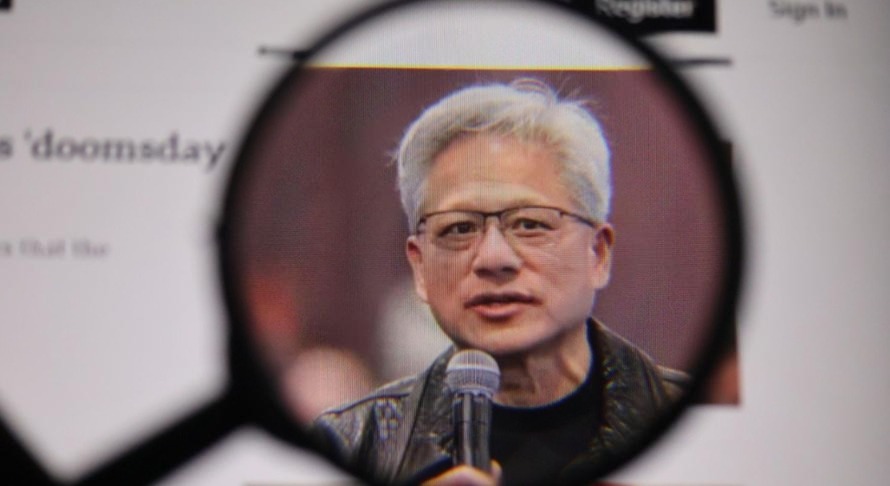
The controversy surrounding Nvidia (NASDAQ: NVDA) has introduced a new source of uncertainty for the artificial intelligence industry, placing executive oversight and geopolitical risk alongside the sector’s growth prospects. On November 9, U.S. President Donald Trump said the FBI was looking into allegations involving Nvidia CEO Jensen Huang and a Chinese businesswoman reportedly suspected of intelligence links to Beijing. Although the allegations remain unproven, the developments have raised questions about corporate governance, technology security, and the potential consequences for U.S. semiconductor policy.
Investigation Puts Executive Leadership Under Scrutiny
Trump said he had spoken with Huang, who reportedly told the president that he had no knowledge that the woman was allegedly involved in espionage. Trump expressed confidence that Huang would emerge from the controversy in good shape. Nvidia’s board separately announced an independent investigation into whether Huang had been targeted by a foreign intelligence effort.
The company stated that it had no reason to believe that national security or proprietary information had been compromised. Huang, 63, remains central to Nvidia’s corporate strategy, product direction, and commercial relationships. According to Reuters, he owns approximately 3.6% of the company and maintains a highly influential leadership role. While analysts have acknowledged uncertainty surrounding succession, the investigation does not establish that Huang will leave his position or that company operations have been disrupted.
Market Reaction and Corporate Governance Risks
Nvidia shares fell more than 4% on Monday, reaching a seven-month low, as investors assessed the potential implications of the controversy. The decline reflects a new uncertainty surrounding a company whose market position has become closely associated with the expansion of AI infrastructure and demand for advanced processors.
Shareholders also filed a proposed class-action lawsuit alleging that Huang and the company concealed information about his relationship with the businesswoman. These allegations have not been established in court. Nevertheless, the dispute could increase scrutiny of disclosure practices, board oversight, and the management of risks involving senior executives.
For institutional investors, the episode illustrates how non-financial developments can affect valuations even when the underlying business outlook has not yet demonstrably changed. Nvidia’s long-term prospects will continue to depend on AI infrastructure spending, semiconductor demand, competitive pressures, and its ability to maintain technological leadership.
U.S.-China Technology Tensions Add to the Uncertainty
The controversy has emerged against the backdrop of continuing U.S. efforts to restrict China’s access to advanced artificial intelligence chips. Huang has advocated opportunities for Nvidia to sell eligible products into the Chinese market, making export policy an important strategic consideration for the company.
Reuters reported that the allegations could strengthen congressional support for tighter restrictions on advanced chip sales to China. However, the political response remains uncertain, and the controversy does not itself establish that any technology transfer or security breach occurred. China’s Foreign Ministry has rejected the espionage allegations as baseless.
Looking ahead, investors will monitor the findings of Nvidia’s independent investigation, any official developments from U.S. authorities, potential shareholder litigation, and changes to semiconductor export policy. Further scrutiny could increase compliance costs or complicate the company’s access to international markets, while evidence that no company information was compromised could limit the operational impact. For Israeli investors and global asset allocators, Nvidia’s experience underscores the importance of evaluating geopolitical exposure and executive concentration alongside AI growth expectations. The balance between continued demand for AI computing and rising regulatory uncertainty is likely to remain a significant consideration for the semiconductor sector.
Comparison, examination, and analysis between investment houses
Leave your details, and an expert from our team will get back to you as soon as possible
* This article, in whole or in part, does not contain any promise of investment returns, nor does it constitute professional advice to make investments in any particular field.
To read more about the full disclaimer, click here
- Arik Arkadi Sluzki
- •
- 7 Min Read
- •
- ago 12 hours
SKN | Banks Tighten Scrutiny of AI Debt as Market Selloff Raises Credit Risks
Banks and credit investors are reassessing their exposure to artificial intelligence-related debt as the recent technology selloff forces a
- ago 12 hours
- •
- 7 Min Read

Banks and credit investors are reassessing their exposure to artificial intelligence-related debt as the recent technology selloff forces a

- Lior mor
- •
- 8 Min Read
- •
- ago 12 hours
SKN | Meta Launches Muse Ember as Its Lowest-Cost AI Model, Targeting Enterprise Adoption
Meta Platforms is expanding its artificial intelligence portfolio with the launch of Muse Ember, a lower-cost model designed to
- ago 12 hours
- •
- 8 Min Read
Meta Platforms is expanding its artificial intelligence portfolio with the launch of Muse Ember, a lower-cost model designed to

- orshu
- •
- 7 Min Read
- •
- ago 12 hours
SKN | Technology Remains the Key Driver of U.S. Stocks as AI Selloff Tests Market Momentum
Technology stocks remain the most important force shaping the direction of the U.S. equity market even after a sharp
- ago 12 hours
- •
- 7 Min Read
Technology stocks remain the most important force shaping the direction of the U.S. equity market even after a sharp

- sagi habasov
- •
- 7 Min Read
- •
- ago 12 hours
SKN | Wall Street Says AI Selloff Is Overdone as Investors Reassess Regulation Risks
Wall Street brokerages are pushing back against concerns that last week's sharp selloff in artificial intelligence-related stocks signals a
- ago 12 hours
- •
- 7 Min Read

Wall Street brokerages are pushing back against concerns that last week's sharp selloff in artificial intelligence-related stocks signals a
