




- Arik Arkadi Sluzki
- •
- 7 Min Read
- •
- 6 minutes ago


Key Points
- Banks and credit investors are becoming more cautious toward AI-related debt deals following the recent technology market selloff.
- Some lenders that recently competed to finance AI transactions are now reluctant to take on additional exposure, even when deals include guarantees from major technology companies.
- Goldman Sachs expects global hyperscaler debt issuance to reach $420 billion in 2027, highlighting the scale of financing still required by the AI infrastructure buildout.
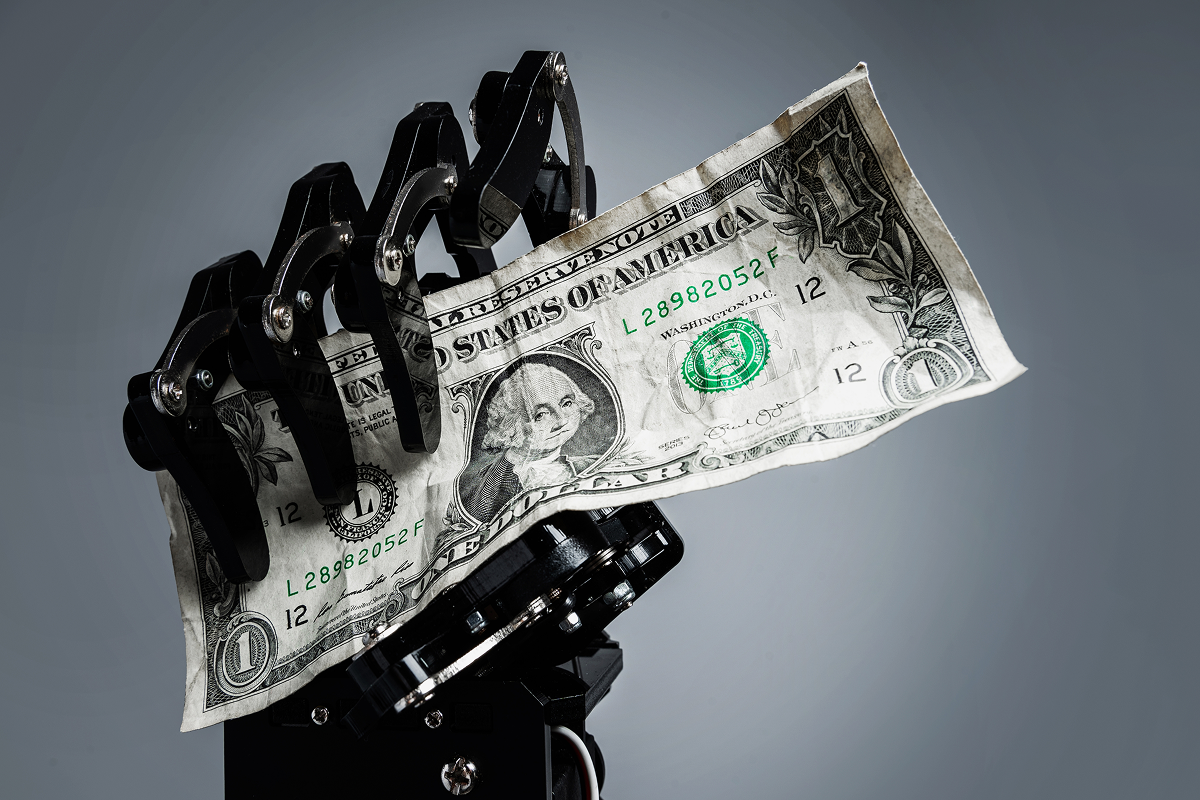
Banks and credit investors are reassessing their exposure to artificial intelligence-related debt as the recent technology selloff forces a closer examination of the sector’s growth trajectory. The change in sentiment marks a notable shift from only weeks ago, when lenders were competing to finance AI infrastructure deals, and raises questions about how easily the sector can continue funding its enormous expansion through debt markets.
Lenders Become More Selective on AI Financing
Several banking and credit sources told Reuters that some lenders are now signaling reluctance to finance additional AI-related transactions, including deals backed by guarantees from major technology companies. The shift suggests that credit-market risk assessment is changing even where borrowers have strong links to the industry’s largest technology companies.
The caution follows a sharp selloff across AI-linked equities and growing questions about the durability of spending on data centers and related infrastructure. While equity investors can adjust valuations rapidly, lenders are focused on whether borrowers will generate sufficient cash flow to service debt across different economic conditions.
Cash Flows Face Greater Stress Testing
Investors and lenders are increasingly stress-testing projected cash flows against potential economic downturns, according to sources cited by Reuters. That process is particularly relevant for AI infrastructure because many projects require substantial upfront capital before generating the revenues needed to support financing obligations.
The approach represents a more demanding assessment of the assumptions underpinning AI-related borrowing. Higher scrutiny does not necessarily indicate that lenders expect widespread defaults, but it suggests that credit investors are becoming less willing to rely solely on the long-term growth narrative surrounding artificial intelligence.
AI Debt Demand Remains Structurally Large
Despite the more cautious tone, the financing requirements of the AI industry remain substantial. Goldman Sachs expects global hyperscaler debt issuance to reach $420 billion in 2027, highlighting the enormous capital requirements associated with expanding computing capacity and data-center infrastructure.
Hyperscalers and other technology companies are investing heavily to expand the infrastructure needed to support increasingly sophisticated AI systems. Debt markets are therefore likely to remain an important source of funding, even as lenders become more selective about which projects and borrowers receive financing.
Market Repricing Tests the AI Financing Model
The recent market selloff has introduced a new dimension to the AI investment debate by connecting equity valuations with the conditions facing credit markets. Falling technology valuations can increase scrutiny of highly leveraged projects, particularly where expected returns depend on continued growth in AI demand.
For sophisticated investors, the key issue is increasingly the relationship between AI infrastructure spending, projected cash flows and debt-service capacity. A strong corporate guarantee may reduce some risks, but it does not eliminate questions about project economics or the broader credit cycle.
Going forward, banks’ willingness to underwrite new AI transactions, pricing in credit markets and the pace of hyperscaler borrowing will provide important signals about the sector’s financial trajectory. The expected scale of future issuance suggests that AI debt will remain a major component of global capital markets, but the recent shift in lender behavior indicates that access to capital may increasingly depend on demonstrable cash flows rather than AI exposure alone.
Comparison, examination, and analysis between investment houses
Leave your details, and an expert from our team will get back to you as soon as possible
* This article, in whole or in part, does not contain any promise of investment returns, nor does it constitute professional advice to make investments in any particular field.
To read more about the full disclaimer, click here
- Lior mor
- •
- 8 Min Read
- •
- ago 6 minutes
SKN | Meta Launches Muse Ember as Its Lowest-Cost AI Model, Targeting Enterprise Adoption
Meta Platforms is expanding its artificial intelligence portfolio with the launch of Muse Ember, a lower-cost model designed to
- ago 6 minutes
- •
- 8 Min Read
Meta Platforms is expanding its artificial intelligence portfolio with the launch of Muse Ember, a lower-cost model designed to

- orshu
- •
- 7 Min Read
- •
- ago 7 minutes
SKN | Technology Remains the Key Driver of U.S. Stocks as AI Selloff Tests Market Momentum
Technology stocks remain the most important force shaping the direction of the U.S. equity market even after a sharp
- ago 7 minutes
- •
- 7 Min Read
Technology stocks remain the most important force shaping the direction of the U.S. equity market even after a sharp

- sagi habasov
- •
- 7 Min Read
- •
- ago 7 minutes
SKN | Wall Street Says AI Selloff Is Overdone as Investors Reassess Regulation Risks
Wall Street brokerages are pushing back against concerns that last week's sharp selloff in artificial intelligence-related stocks signals a
- ago 7 minutes
- •
- 7 Min Read

Wall Street brokerages are pushing back against concerns that last week's sharp selloff in artificial intelligence-related stocks signals a

- Ronny Mor
- •
- 6 Min Read
- •
- ago 7 minutes
SKN | Dollar Slips as Iran Diplomacy Revives Risk Appetite Ahead of U.S. Inflation Data
The U.S. dollar weakened against major currencies on Monday as signs of progress in diplomatic efforts surrounding the Iran
- ago 7 minutes
- •
- 6 Min Read

The U.S. dollar weakened against major currencies on Monday as signs of progress in diplomatic efforts surrounding the Iran
