




- orshu
- •
- 7 Min Read
- •
- 7 minutes ago


Key Points
- Technology accounts for more than 35% of the S&P 500, keeping the sector central to the direction of the broader U.S. stock market.
- The sector has gained more than 200% during the current bull market, making its recent pullback particularly important for overall market performance.
- Technology valuations have become less stretched, with the sector's price-to-earnings ratio falling below that of the broader market.
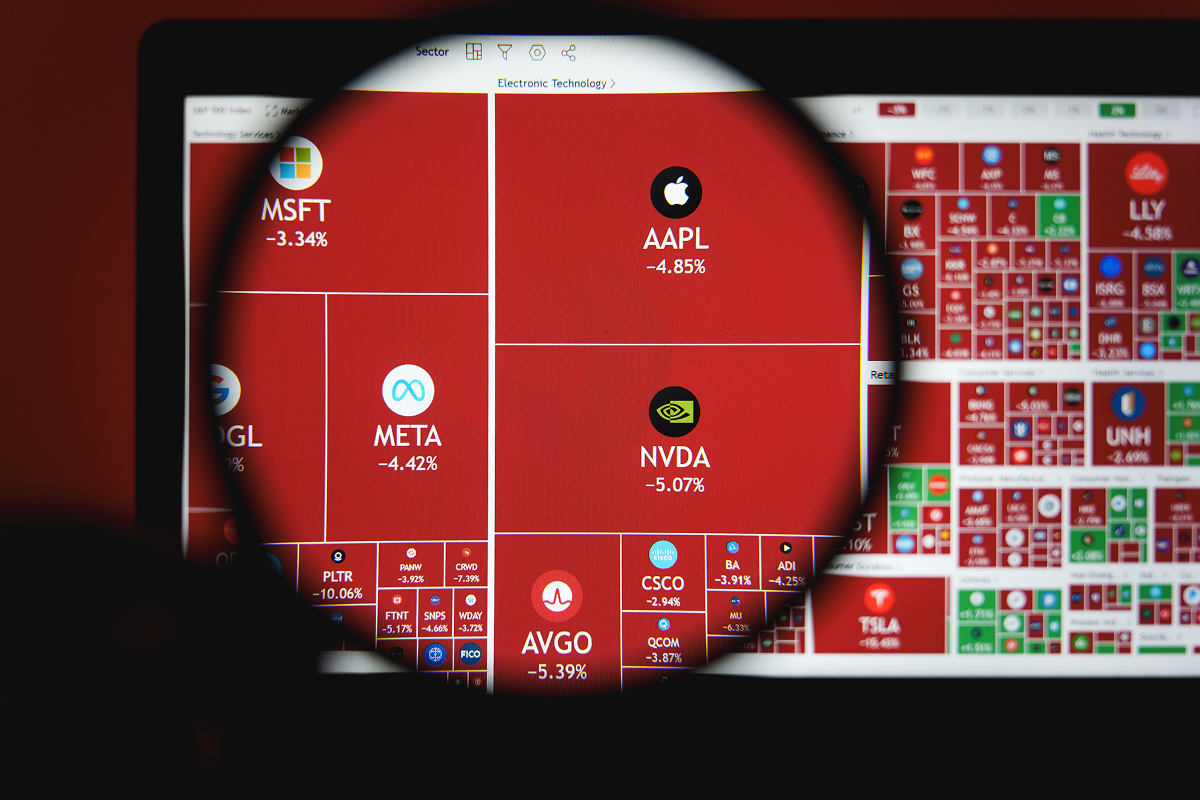
Technology stocks remain the most important force shaping the direction of the U.S. equity market even after a sharp retreat in artificial intelligence-related shares. The sector’s dominant weighting in the S&P 500 means that further weakness could have an outsized impact on broader indexes, while the scale of its gains during the bull market has left investors increasingly focused on whether the AI-driven rally can regain momentum.
Technology’s Market Weight Keeps It in Focus
Technology remains the largest sector in the S&P 500, representing more than 35% of the index. That concentration means movements in major technology and AI companies can materially influence the overall direction of U.S. equities, even when other sectors remain comparatively resilient.
The sector has risen more than 200% during the current bull market, creating substantial gains while also increasing its importance to market sentiment. The recent month-long decline in technology and AI-related shares culminated in the sector’s largest one-day drop in more than six years, highlighting how quickly positioning can change when investors begin reassessing expectations.
AI Infrastructure Spending Faces Political Scrutiny
One of the central concerns emerging from the recent selloff is the potential impact of Democratic victories in the midterm elections on data-center investment. Massive spending on data centers, computing infrastructure and related equipment has been a major driver of the technology and AI rally.
Investors are now assessing whether political changes could result in tighter restrictions, slower permitting or greater scrutiny of new data-center projects. Any significant reduction in infrastructure spending could affect not only technology companies but also the broader network of businesses supplying power, equipment and services to the AI ecosystem.
At the same time, the political risk remains an uncertainty rather than a confirmed deterioration in spending plans. The market’s reaction therefore reflects concerns about a potential change in the investment cycle rather than evidence that the AI infrastructure boom has already ended.
Valuations Have Become Less Stretched
An important development in the recent repricing is that the technology sector’s price-to-earnings valuation has fallen below that of the broader market. This represents a meaningful shift after years in which technology stocks frequently commanded substantial valuation premiums because of expectations for strong earnings and structural growth.
The change could alter the debate around whether technology remains excessively valued. A lower relative valuation does not eliminate the risks associated with high capital spending or changing expectations, but it suggests that part of the market’s recent concerns has already been reflected in prices.
Technology Still Holds the Market’s Direction
The sector’s enormous index weighting means that investors cannot easily separate the outlook for technology from the outlook for U.S. equities as a whole. Even if other industries provide support, sustained weakness among major technology companies could continue to weigh on the S&P 500.
For investors in Israel and globally, the technology sector also remains important because its performance influences international risk appetite, technology valuations and capital flows across global markets. The interaction between AI spending, corporate earnings and policy developments will therefore remain central to market expectations.
Going forward, investors will be watching whether AI infrastructure spending remains strong, whether technology earnings justify existing expectations and how policymakers respond to the rapid expansion of data centers. The recent valuation adjustment may provide some cushion, but the sector’s exceptional gains and dominant index weighting mean that technology is likely to remain the defining variable for the next phase of the U.S. stock market.
Comparison, examination, and analysis between investment houses
Leave your details, and an expert from our team will get back to you as soon as possible
* This article, in whole or in part, does not contain any promise of investment returns, nor does it constitute professional advice to make investments in any particular field.
To read more about the full disclaimer, click here
- Arik Arkadi Sluzki
- •
- 7 Min Read
- •
- ago 6 minutes
SKN | Banks Tighten Scrutiny of AI Debt as Market Selloff Raises Credit Risks
Banks and credit investors are reassessing their exposure to artificial intelligence-related debt as the recent technology selloff forces a
- ago 6 minutes
- •
- 7 Min Read

Banks and credit investors are reassessing their exposure to artificial intelligence-related debt as the recent technology selloff forces a

- Lior mor
- •
- 8 Min Read
- •
- ago 6 minutes
SKN | Meta Launches Muse Ember as Its Lowest-Cost AI Model, Targeting Enterprise Adoption
Meta Platforms is expanding its artificial intelligence portfolio with the launch of Muse Ember, a lower-cost model designed to
- ago 6 minutes
- •
- 8 Min Read
Meta Platforms is expanding its artificial intelligence portfolio with the launch of Muse Ember, a lower-cost model designed to

- sagi habasov
- •
- 7 Min Read
- •
- ago 7 minutes
SKN | Wall Street Says AI Selloff Is Overdone as Investors Reassess Regulation Risks
Wall Street brokerages are pushing back against concerns that last week's sharp selloff in artificial intelligence-related stocks signals a
- ago 7 minutes
- •
- 7 Min Read

Wall Street brokerages are pushing back against concerns that last week's sharp selloff in artificial intelligence-related stocks signals a

- Ronny Mor
- •
- 6 Min Read
- •
- ago 7 minutes
SKN | Dollar Slips as Iran Diplomacy Revives Risk Appetite Ahead of U.S. Inflation Data
The U.S. dollar weakened against major currencies on Monday as signs of progress in diplomatic efforts surrounding the Iran
- ago 7 minutes
- •
- 6 Min Read

The U.S. dollar weakened against major currencies on Monday as signs of progress in diplomatic efforts surrounding the Iran
