




- orshu
- •
- 6 Min Read
- •
- 54 seconds ago


Key Points
- President Donald Trump says he is willing to work with Democrats to pursue a 10% cap on credit card interest rates.
- The proposed ceiling could significantly reduce borrowing costs for consumers, compared with the current median credit card interest rate of approximately 22.2%.
- The proposal could reshape credit-card lending economics, with potential consequences for borrowers, banks, credit availability and cardholder rewards.
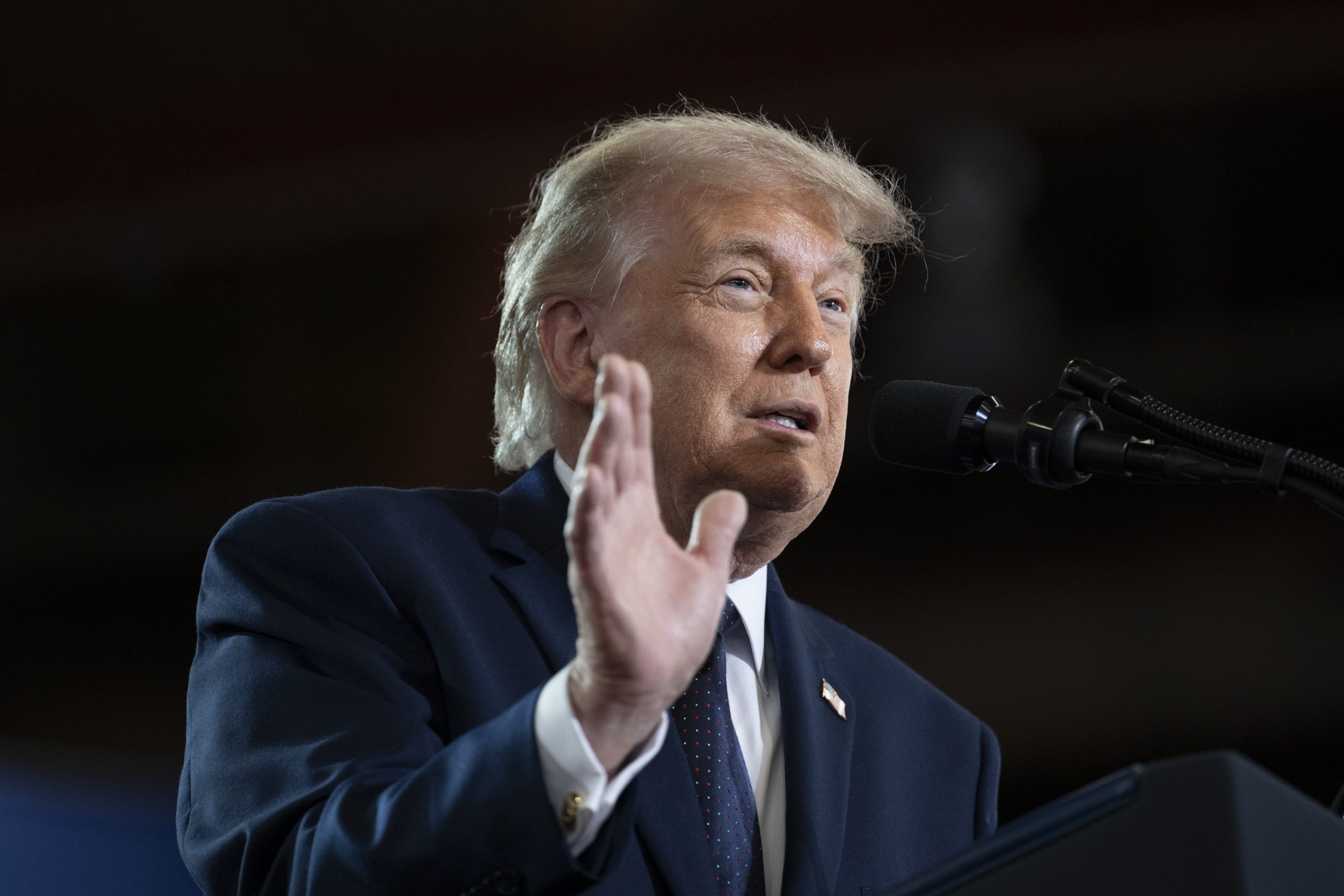
President Donald Trump has renewed his support for limiting credit card interest rates to 10%, signaling a willingness to work with Democrats to pursue a policy aimed at addressing consumer borrowing costs. The proposal would represent a substantial intervention in the consumer-credit market, where interest rates remain significantly above the proposed ceiling and outstanding credit-card balances continue to place pressure on household finances.
A Renewed Push for a 10% Interest Rate Ceiling
Trump said he would work with Democrats to advance a credit-card interest rate cap, reviving a policy proposal that has previously faced resistance from financial institutions and lawmakers. The proposed 10% ceiling has gained bipartisan attention, potentially creating an avenue for legislative cooperation on consumer affordability.
The median credit-card interest rate is approximately 22.2%, according to an August survey cited by the New York Federal Reserve. A cap at 10% would therefore represent a significant reduction from prevailing borrowing costs for many cardholders, although the proposal’s eventual scope, duration and implementation details would depend on legislative negotiations.
Potential Relief for Consumers, but Lending Risks Remain
Supporters of the proposal argue that limiting credit-card interest rates could reduce the financial burden on households carrying revolving balances. Researchers who previously examined a 10% cap estimated that consumers could save approximately $100 billion annually in interest payments, although the actual impact would depend on the final structure of any legislation and how lenders respond.
However, banks and credit-card companies have warned that imposing a lower interest-rate ceiling could alter lending decisions. Financial institutions argue that lower interest income could make lending to borrowers with weaker credit profiles less attractive, potentially leading to tighter underwriting standards, fewer available credit lines or reductions in cardholder rewards and benefits.
Congressional Negotiations Could Determine the Policy’s Scope
The proposal could gain renewed momentum as bipartisan support for consumer affordability measures develops. Democratic lawmakers, including Elizabeth Warren, have advocated for interest-rate restrictions, while Republican Sen. Josh Hawley has also supported legislation addressing credit-card rates, creating potential political overlap around the issue.
Nevertheless, a presidential endorsement does not establish that a cap will become law. Legislative details would be critical, including whether the restriction would be temporary or permanent, how it would apply across different credit-card products and whether additional provisions would accompany the rate ceiling.
Going forward, financial-market participants will be monitoring congressional discussions, potential legislative proposals and reactions from major card issuers. If a 10% cap advances, its implications could extend beyond consumer interest payments, potentially influencing lending standards, credit-card profitability, customer rewards programs and the broader consumer-credit landscape.
Comparison, examination, and analysis between investment houses
Leave your details, and an expert from our team will get back to you as soon as possible
* This article, in whole or in part, does not contain any promise of investment returns, nor does it constitute professional advice to make investments in any particular field.
To read more about the full disclaimer, click here
- orshu
- •
- 7 Min Read
- •
- ago 6 days
SKN | Can Trump Reduce China’s Critical Minerals Advantage Before Talks With Xi?
President Donald Trump enters talks with Chinese President Xi Jinping this week with a central element of his trade
- ago 6 days
- •
- 7 Min Read
President Donald Trump enters talks with Chinese President Xi Jinping this week with a central element of his trade

- sagi habasov
- •
- 7 Min Read
- •
- ago 1 week
SKN | U.S. Congress Pushes Tougher Nvidia Chip Curbs as China Access Faces New Risks
China's access to advanced U.S. artificial intelligence chips is facing renewed uncertainty as lawmakers in Washington build support for
- ago 1 week
- •
- 7 Min Read

China's access to advanced U.S. artificial intelligence chips is facing renewed uncertainty as lawmakers in Washington build support for

- Ronny Mor
- •
- 7 Min Read
- •
- ago 2 weeks
SKN | Bessent Urges Clear-Eyed AI Policy Toward China: Can Bilateral Guardrails Coexist With Fierce Tech Rivalry?
U.S. Treasury Secretary Scott Bessent outlined a pragmatic economic and technological framework toward China on Tuesday, November 10, 2026, arguing
- ago 2 weeks
- •
- 7 Min Read

U.S. Treasury Secretary Scott Bessent outlined a pragmatic economic and technological framework toward China on Tuesday, November 10, 2026, arguing
- sagi habasov
- •
- 8 Min Read
- •
- ago 2 weeks
SKN | Capitol Hill Advances Stricter China Chip Export Curbs After Nvidia CEO Probe: Will Congress Mandate Oversight?
U.S. lawmakers from both parties moved aggressively on Tuesday, November 10, 2026, to advance stringent statutory export controls on advanced
- ago 2 weeks
- •
- 8 Min Read
U.S. lawmakers from both parties moved aggressively on Tuesday, November 10, 2026, to advance stringent statutory export controls on advanced
