




- orshu
- •
- 7 Min Read
- •
- 11 minutes ago


Key Points
- The U.S. remains heavily dependent on China for critical minerals and processed materials as President Donald Trump prepares to meet Chinese President Xi Jinping.
- U.S. annual neodymium-iron-boron magnet capacity was about 4,500 metric tons in 2025, compared with roughly 210,000 tons in China.
- Billions of dollars in U.S. investment are accelerating domestic projects, but several major mines, refineries and processing facilities remain years away from production.
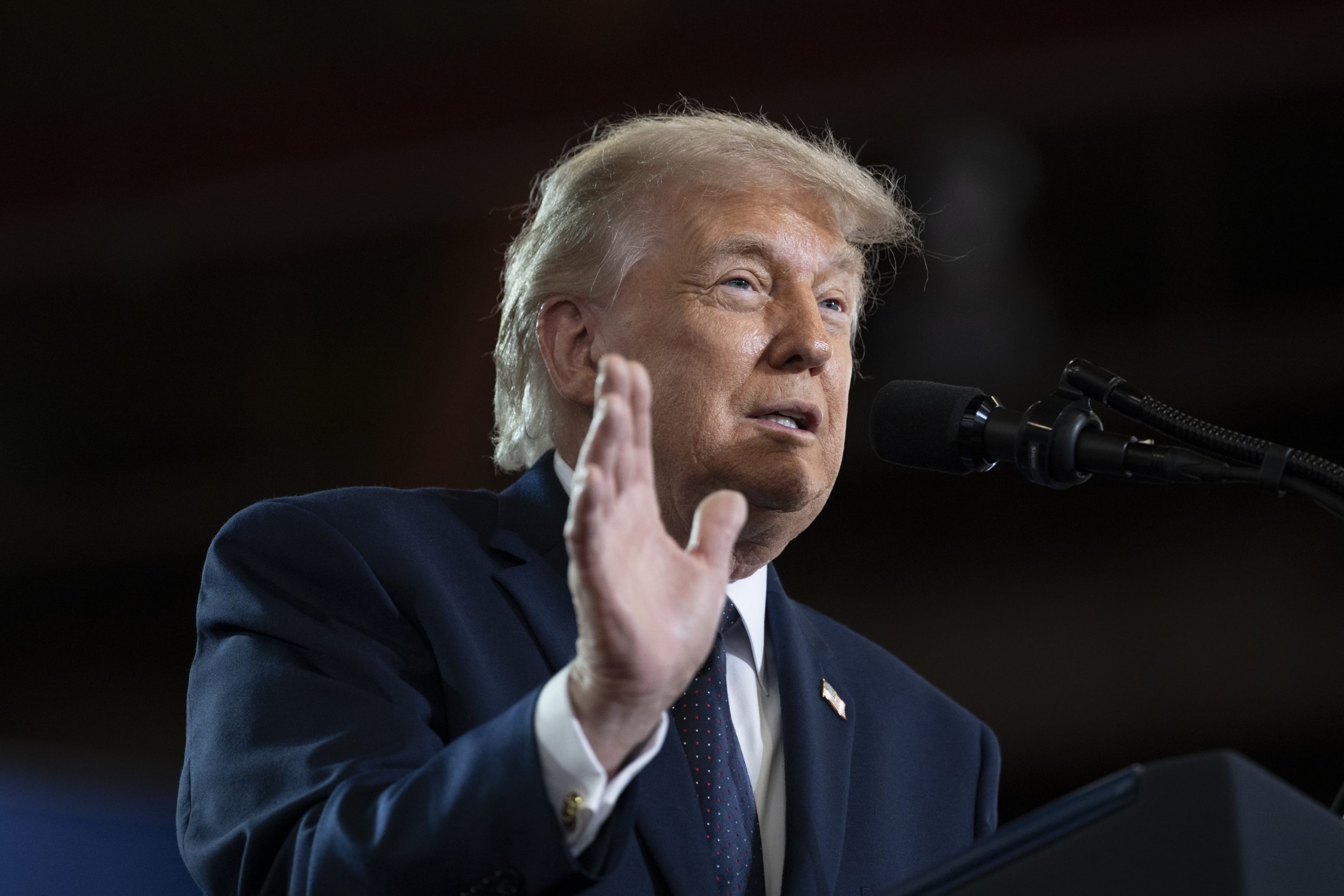
President Donald Trump enters talks with Chinese President Xi Jinping this week with a central element of his trade strategy still unfinished: reducing the United States’ dependence on China for critical minerals. The gap matters well beyond trade policy, because rare earths and related materials are essential to semiconductors, robotics, weapons systems, electric vehicles and artificial intelligence infrastructure.
China Retains a Major Strategic Advantage
China’s dominance in rare earth mining, processing and magnet manufacturing continues to give Beijing significant leverage in trade negotiations. The country has previously restricted exports of minerals and magnets, disrupting operations at U.S. manufacturers including Ford and prompting Washington to negotiate continued access.
The disparity is particularly visible in advanced magnets. U.S. manufacturing capacity for neodymium-iron-boron magnets, which are used in electric vehicles and military equipment, stood at approximately 4,500 metric tons annually in 2025, compared with about 210,000 metric tons in China, according to the International Energy Agency.
The competitive gap extends beyond mining. China has spent decades developing the refining facilities, processing expertise and manufacturing infrastructure required to transform raw minerals into industrial components, making it difficult for the U.S. to rapidly recreate the entire supply chain.
Washington’s Investment Push Has a Long Timeline
The Trump administration has committed billions of dollars to accelerating domestic mineral production, but many projects remain years from commercial output. A $7.4 billion Tennessee refinery backed by South Korea’s Korea Zinc is not expected to open until 2030, while a planned North American copper project involving Rio Tinto and BHP is also targeted for the next decade.
Other initiatives are moving more quickly. MP Materials is expanding rare earth magnet production in Texas through a multibillion-dollar Pentagon partnership, while Lithium Americas is constructing the Thacker Pass lithium mine in Nevada, with production expected in 2028. Perpetua Resources expects to produce antimony in Idaho by 2029, while Vulcan Elements has already begun producing rare earth magnets in North Carolina, although its customers have not yet approved them for use.
Minerals Could Shape Trump-Xi Negotiations
The unfinished U.S. supply chain creates a difficult negotiating position for Washington. Trump can push Beijing on tariffs and export controls, but aggressive measures could carry risks for American manufacturers that still rely on Chinese metals, magnets and chemical compounds.
The two leaders could extend their existing trade truce, which is due to expire in January and includes waivers covering certain critical-mineral export controls. China, meanwhile, has argued that its mineral restrictions are intended to prevent materials from being used for military purposes, while also accusing Washington of abusing export controls through restrictions on semiconductor shipments to China.
What Investors Will Watch Next
The strategic question is whether Washington can convert federal funding and political commitments into operational domestic capacity quickly enough to reduce China’s leverage. The answer will depend on permitting, construction timelines, processing capabilities, customer approvals and the ability of U.S. projects to develop commercially viable supply chains.
The U.S. minerals strategy also faces a domestic political test after Democrats’ midterm victories give them control of Congress next year, with some lawmakers questioning federal investments in private companies. For global investors, the outcome of the Trump-Xi talks and any extension of mineral export waivers will provide an important near-term signal, but the deeper shift will depend on whether the U.S. can build an alternative supply network over the coming years rather than relying on diplomatic agreements to preserve access to Chinese materials.
Comparison, examination, and analysis between investment houses
Leave your details, and an expert from our team will get back to you as soon as possible
* This article, in whole or in part, does not contain any promise of investment returns, nor does it constitute professional advice to make investments in any particular field.
To read more about the full disclaimer, click here
- Lior mor
- •
- 6 Min Read
- •
- ago 2 days
SKN | Global Oil Market Set to Return to Surplus as Gulf Exports Recover
The global oil market is showing signs of returning to surplus as Middle Eastern producers restore exports disrupted by
- ago 2 days
- •
- 6 Min Read

The global oil market is showing signs of returning to surplus as Middle Eastern producers restore exports disrupted by

- sagi habasov
- •
- 7 Min Read
- •
- ago 2 days
SKN | U.S. Congress Pushes Tougher Nvidia Chip Curbs as China Access Faces New Risks
China's access to advanced U.S. artificial intelligence chips is facing renewed uncertainty as lawmakers in Washington build support for
- ago 2 days
- •
- 7 Min Read

China's access to advanced U.S. artificial intelligence chips is facing renewed uncertainty as lawmakers in Washington build support for

- orshu
- •
- 8 Min Read
- •
- ago 4 days
SKN | China and Poland Accelerate Gold Accumulation as Central Bank Demand Reshapes the Global Market
Central banks in China and Poland are continuing to expand their gold reserves, reinforcing the role of official-sector demand
- ago 4 days
- •
- 8 Min Read

Central banks in China and Poland are continuing to expand their gold reserves, reinforcing the role of official-sector demand

- Ronny Mor
- •
- 7 Min Read
- •
- ago 4 days
SKN | Bessent Urges Clear-Eyed AI Policy Toward China: Can Bilateral Guardrails Coexist With Fierce Tech Rivalry?
U.S. Treasury Secretary Scott Bessent outlined a pragmatic economic and technological framework toward China on Tuesday, November 10, 2026, arguing
- ago 4 days
- •
- 7 Min Read

U.S. Treasury Secretary Scott Bessent outlined a pragmatic economic and technological framework toward China on Tuesday, November 10, 2026, arguing
