





- omer bar
- •
- 8 Min Read
- •
- 6 minutes ago


Key Points
- Surging corporate capital expenditure in artificial intelligence infrastructure has created a policy dilemma for the Federal Reserve, as localized price pressures in computing and power conflict with broader disinflationary trends.
- Benchmark borrowing costs and elevated Treasury yields are raising capital costs across debt-financed data center projects, creating a growing divide between cash-rich hyperscalers and leverage-dependent infrastructure operators.
- For international allocators and Israeli tech-centric portfolios, prolonged higher interest rates elevate equity discount hurdles while testing how quickly corporate AI deployments translate into realized productivity gains.
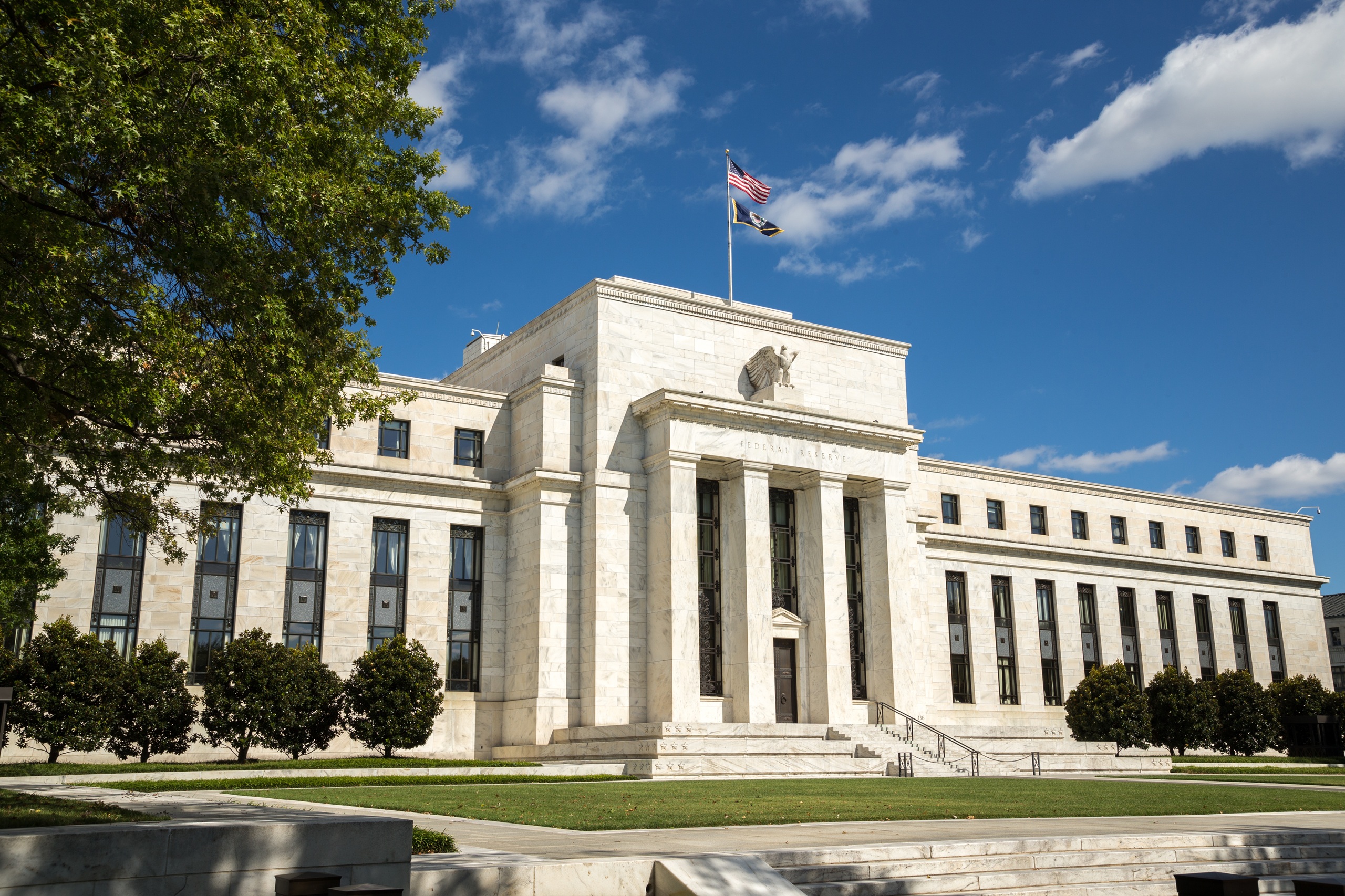
The historic surge in capital spending dedicated to artificial intelligence has emerged as an unexpected friction point in central bank monetary policy. Corporate investment in data centers, advanced memory silicon, and power generation has climbed to unprecedented levels, helping sustain industrial growth even as benchmark policy rates remain elevated. The Federal Reserve now faces a dual challenge: determining whether concentrated technology spending risks reigniting inflationary impulses in key physical sectors, and whether keeping interest rates restrictive will eventually derail the capital-intensive buildout underpinning global equity markets.
Rising Capital Costs Expose Fractures in Infrastructure Financing
While mega-cap hyperscalers continue to self-fund large portions of their computing expansion through operating cash flows, the broader AI ecosystem is increasingly vulnerable to elevated capital costs. Construction loans and securitized debt backing third-party data center campuses face refinancing benchmarks hovering near multi-year highs, with 10-year Treasury yields establishing a persistent floor above 4.5% to 5.0%. As coupon rates on newly issued corporate debt reprice upward, speculative infrastructure operators with floating-rate liabilities face narrowing debt-service coverage ratios.
This divergence creates a tiered market structure across private tech credit and public debt. Investment-grade technology giants retain access to prime fixed-rate borrowing, but secondary infrastructure developers, energy providers, and leveraged private equity platforms face higher refinancing hurdles. Lenders are increasingly scrutinizing the timing mismatch between immediate debt servicing requirements and multi-year lease escalators, forcing operators to demand steeper enterprise software rents or curb capital outlays.
The Monetary Dilemma: Localized Price Pressures vs. Lagged Productivity
For Federal Reserve policymakers, AI infrastructure investment complicates standard inflation and output modeling. Large-scale data center procurement is driving localized price inflation across specialized semiconductors, electrical equipment, and regional power utilities without generating an immediate surge in economy-wide consumer demand. Traditional monetary frameworks struggle to separate transient supply bottlenecks in high-tech manufacturing from structural wage and demand pressures that require sustained interest rate restraint.
Furthermore, the anticipated productivity dividend from enterprise machine learning remains largely invisible in official macroeconomic statistics. Economists estimate that broad-based efficiency gains and labor productivity improvements typically require 18 to 36 months to register in headline aggregate data. Consequently, central bankers risk maintaining restrictive borrowing conditions based on backward-looking inflation prints, inadvertently squeezing non-technology sectors while attempting to cool tech-related capital expenditure.
Implications for Israeli Tech Allocators and Global Portfolios
The intersection of sustained high interest rates and massive technology outlays carries strategic consequences for global asset managers and Israel’s venture ecosystem. On the Tel Aviv Stock Exchange (TASE) and across domestic venture portfolios, earlier-stage enterprise software and AI startups face a higher cost of capital and demanding revenue-multiplication thresholds from international investors. Because high risk-free rates compress terminal valuation multiples for growth assets, institutional allocators are demanding immediate evidence of monetization rather than speculative technological roadmaps.
At the same time, Israel’s mature semiconductor design, automated metrology, and optical interconnect sectors benefit directly from the capital expenditure commitments of global fabricators. However, a prolonged period of elevated U.S. yields maintains structural strength in the U.S. dollar, elevating imported technology costs and limiting the Bank of Israel’s domestic monetary easing path. Institutional portfolios must navigate this macroeconomic tension by balancing defensive cash positions against concentrated exposure to primary infrastructure beneficiaries.
Outlook: Hyperscaler Guidance, Free Cash Flow Trends, and Policy Signals
Moving into upcoming quarters, market participants must monitor whether corporate free cash flows can absorb sustained capital intensity without requiring heavy debt issuance at prevailing market yields. Key indicators to track include corporate guidance regarding future cloud capital expenditure budgets, enterprise adoption rates of paid AI features, and Federal Reserve commentary addressing structural productivity adjustments. Should debt-service obligations begin to outpace realized software revenues, the current technology investment cycle could face a selective consolidation, testing the resilience of global equity valuations in a prolonged higher-for-longer rate environment.
Comparison, examination, and analysis between investment houses
Leave your details, and an expert from our team will get back to you as soon as possible
* This article, in whole or in part, does not contain any promise of investment returns, nor does it constitute professional advice to make investments in any particular field.
To read more about the full disclaimer, click here
- sagi habasov
- •
- 6 Min Read
- •
- ago 3 hours
SKN | Dollar Falls After Fed Holds Rates Steady as Currency Markets Reprice Policy Expectations
The U.S. dollar weakened against major currencies on Wednesday after the Federal Reserve held interest rates steady, reinforcing expectations
- ago 3 hours
- •
- 6 Min Read

The U.S. dollar weakened against major currencies on Wednesday after the Federal Reserve held interest rates steady, reinforcing expectations
- sagi habasov
- •
- 6 Min Read
- •
- ago 4 hours
SKN | Fed Holds Rates Steady as Persistent Inflation Keeps Future Hikes in Play
The Federal Reserve left U.S. interest rates unchanged on Wednesday, as expected, adopting a wait-and-see approach while policymakers assess
- ago 4 hours
- •
- 6 Min Read

The Federal Reserve left U.S. interest rates unchanged on Wednesday, as expected, adopting a wait-and-see approach while policymakers assess

- Lior mor
- •
- 7 Min Read
- •
- ago 11 hours
SKN | US Goods Trade Deficit Widens to $134.9 Billion as AI Infrastructure Drives Record Imports
Record Imports Expand the Trade Gap The US goods trade deficit widened unexpectedly in September as demand for imported products
- ago 11 hours
- •
- 7 Min Read

Record Imports Expand the Trade Gap The US goods trade deficit widened unexpectedly in September as demand for imported products

- omer bar
- •
- 8 Min Read
- •
- ago 12 hours
SKN | Fed Expected to Hold Rates as Persistent Inflation Keeps Further Hikes in Focus
Fed Prepares to Pause After September Rate Increase The Federal Reserve is expected to leave interest rates unchanged on Wednesday
- ago 12 hours
- •
- 8 Min Read

Fed Prepares to Pause After September Rate Increase The Federal Reserve is expected to leave interest rates unchanged on Wednesday

