





- sagi habasov
- •
- 6 Min Read
- •
- 44 minutes ago


Key Points
- The U.S. dollar fell against major currencies after the Federal Reserve left interest rates unchanged, as widely expected.
- The Fed's decision to wait for more inflation data comes ahead of next week's U.S. midterm elections and contributed to a steepening yield curve.
- Currency markets diverged sharply, with sterling edging higher while the Canadian dollar weakened after a Bank of Canada rate hike and the New Zealand dollar fell following an unexpected policy decision.
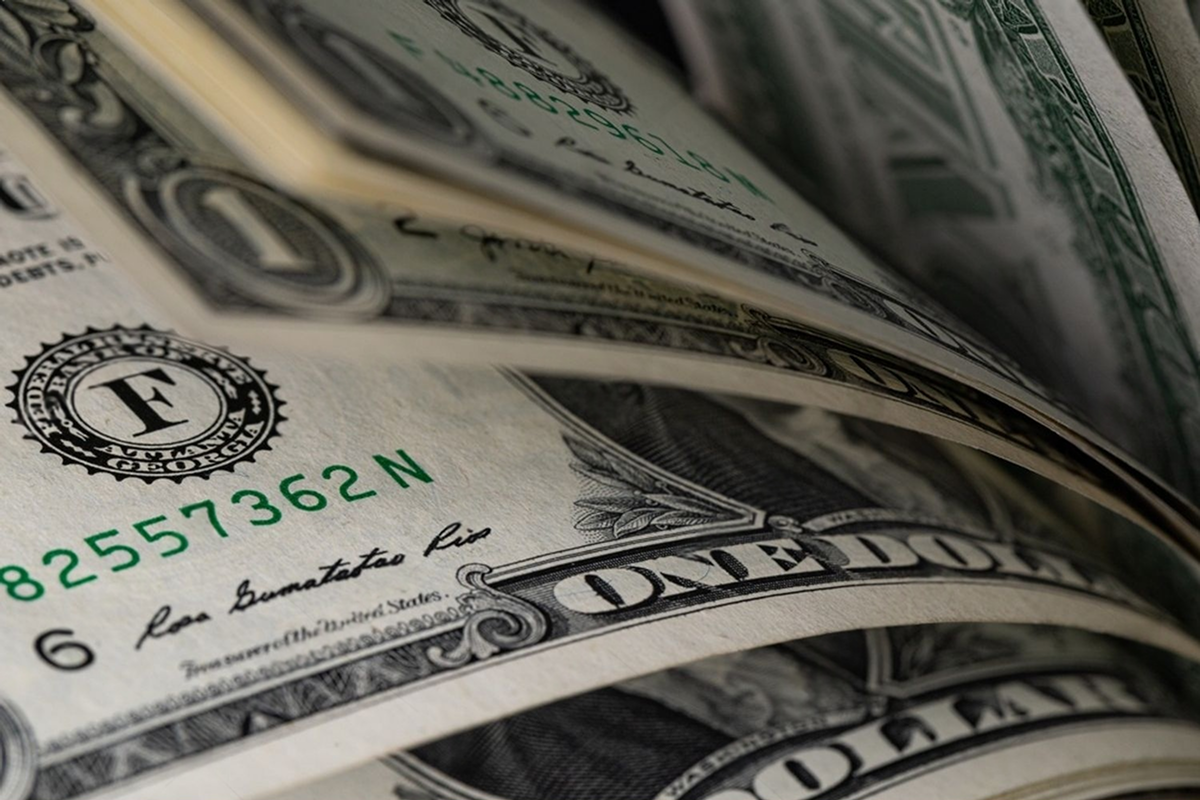
The U.S. dollar weakened against major currencies on Wednesday after the Federal Reserve held interest rates steady, reinforcing expectations that policymakers will wait for additional evidence on inflation before changing borrowing costs. The move came as global currency markets responded to several divergent central-bank decisions, highlighting the growing importance of monetary-policy expectations for foreign-exchange valuations.
Dollar Retreats After Fed Holds Rates
The Federal Reserve maintained its benchmark interest rate at 3.75%-4.00%, a decision that had been widely anticipated by investors. The central bank opted to delay further changes to borrowing costs while awaiting additional information on the path of inflation, with the decision coming less than a week before the U.S. midterm elections.
The dollar’s decline suggests that the absence of an immediate rate increase reduced some of the near-term support for the U.S. currency. At the same time, the yield curve steepened, reflecting changing expectations around the future path of monetary policy and the relationship between short- and longer-term interest rates.
Currency Markets React to Diverging Central Banks
The latest moves highlight how increasingly different monetary-policy decisions are influencing currency markets. While the Federal Reserve chose to remain on hold, other central banks delivered contrasting signals, creating new relative-value dynamics across major currencies.
Sterling edged higher against the dollar following the presentation of the UK budget, while the Canadian dollar slipped after the Bank of Canada raised interest rates. The contrasting moves demonstrate that currency performance is increasingly being driven not only by the absolute level of interest rates but also by how each central bank’s policy compares with expectations in other major economies.
New Zealand Dollar Faces Sharp Market Reaction
The New Zealand dollar experienced a sharper decline after the country’s central bank surprised markets by leaving interest rates unchanged. The unexpected decision demonstrated how sensitive foreign-exchange markets remain to policy outcomes that differ from prevailing expectations.
For currency investors, such reactions can be particularly significant because interest-rate differentials influence capital flows and the relative attractiveness of national currencies. When a central bank delivers a decision that diverges from market expectations, currencies can adjust rapidly as traders reassess the future path of borrowing costs.
Inflation Remains the Key Dollar Driver
The Federal Reserve’s decision leaves the next phase of the dollar’s trajectory closely linked to incoming U.S. economic data. By choosing to wait, policymakers have preserved flexibility while keeping the possibility of future changes dependent on evidence showing whether inflation is becoming more persistent or beginning to moderate.
Going forward, inflation data, Treasury yields, central-bank policy divergence and expectations for future U.S. rates will remain central to currency-market direction. The dollar’s latest decline does not by itself establish a lasting trend, but it highlights how quickly foreign-exchange markets can adjust when monetary-policy expectations shift across major economies. Investors will continue to monitor the Fed’s next signals alongside decisions from other central banks as global interest-rate differentials evolve.
Comparison, examination, and analysis between investment houses
Leave your details, and an expert from our team will get back to you as soon as possible
* This article, in whole or in part, does not contain any promise of investment returns, nor does it constitute professional advice to make investments in any particular field.
To read more about the full disclaimer, click here
- sagi habasov
- •
- 6 Min Read
- •
- ago 2 hours
SKN | Fed Holds Rates Steady as Persistent Inflation Keeps Future Hikes in Play
The Federal Reserve left U.S. interest rates unchanged on Wednesday, as expected, adopting a wait-and-see approach while policymakers assess
- ago 2 hours
- •
- 6 Min Read
The Federal Reserve left U.S. interest rates unchanged on Wednesday, as expected, adopting a wait-and-see approach while policymakers assess

- Lior mor
- •
- 7 Min Read
- •
- ago 9 hours
SKN | US Goods Trade Deficit Widens to $134.9 Billion as AI Infrastructure Drives Record Imports
Record Imports Expand the Trade Gap The US goods trade deficit widened unexpectedly in September as demand for imported products
- ago 9 hours
- •
- 7 Min Read

Record Imports Expand the Trade Gap The US goods trade deficit widened unexpectedly in September as demand for imported products

- omer bar
- •
- 8 Min Read
- •
- ago 9 hours
SKN | Fed Expected to Hold Rates as Persistent Inflation Keeps Further Hikes in Focus
Fed Prepares to Pause After September Rate Increase The Federal Reserve is expected to leave interest rates unchanged on Wednesday
- ago 9 hours
- •
- 8 Min Read
Fed Prepares to Pause After September Rate Increase The Federal Reserve is expected to leave interest rates unchanged on Wednesday
- Lior mor
- •
- 6 Min Read
- •
- ago 22 hours
SKN | Pentagon Tallies Over $47 Billion in Iran Military Costs: Can Fiscal Discipline Survive Regional Escalation?
The cumulative financial toll of United States military operations in the confrontation with Iran has climbed beyond $47 billion, according
- ago 22 hours
- •
- 6 Min Read
The cumulative financial toll of United States military operations in the confrontation with Iran has climbed beyond $47 billion, according

