





- sagi habasov
- •
- 6 Min Read
- •
- 5 minutes ago


Key Points
- The Federal Reserve held its benchmark rate at 3.75%-4.00%, opting to wait for additional inflation and economic data.
- A 10-2 vote exposed a policy divide, with Governors Cook and Hammack favoring a quarter-percentage-point rate increase.
- The Fed said inflation remains elevated and upgraded its assessment of economic activity, keeping the possibility of further tightening open.
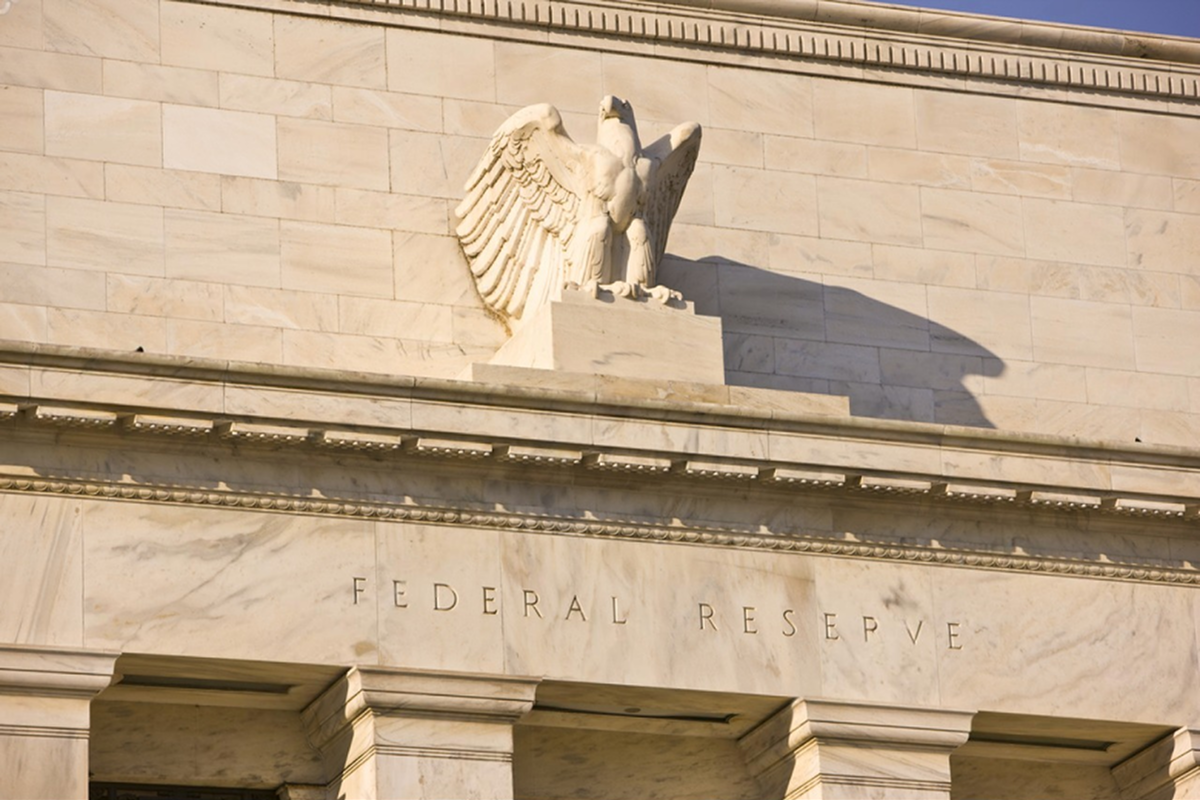
The Federal Reserve left U.S. interest rates unchanged on Wednesday, as expected, adopting a wait-and-see approach while policymakers assess whether persistent inflation requires additional monetary tightening. The decision keeps the benchmark rate at 3.75%-4.00% and comes less than a week before the U.S. midterm elections, adding a politically sensitive backdrop to an already closely watched policy outlook.
Fed Chooses Patience as Inflation Remains Elevated
The central bank’s decision reflects a desire to gather more information before adjusting borrowing costs again. The Fed maintained its policy rate in the 3.75%-4.00% range while acknowledging that inflation remains elevated, signaling that policymakers are not yet confident that price pressures are moving sustainably toward a more favorable trajectory.
Rather than committing to a predetermined path, the decision leaves future policy changes dependent on incoming economic data. This approach gives policymakers additional time to evaluate the breadth and persistence of inflation, particularly as upcoming reports are expected to provide further evidence about underlying price pressures.
Policy Division Emerges Over Another Rate Increase
The 10-2 decision also revealed a clear divide within the Federal Reserve. Governors Lisa Cook and Adriana Kugler Hammack dissented in favor of a quarter-percentage-point rate increase, indicating that some policymakers believe current monetary conditions may not be sufficiently restrictive to contain inflation.
The dissent is significant because it demonstrates that the debate has moved beyond whether rates should simply remain unchanged. While the majority preferred to wait for additional information, the two dissenting votes suggest that concerns over persistent inflation remain strong enough to justify further tightening among some officials.
Stronger Economic Assessment Complicates the Outlook
The Fed also upgraded its assessment of the U.S. economy while maintaining its warning that inflation remains elevated. A stronger economic backdrop can give policymakers greater flexibility to keep monetary policy restrictive, particularly if demand remains resilient enough to sustain pricing pressures.
For financial markets, the combination of persistent inflation and a stronger economic assessment creates a complicated policy signal. Investors must weigh the possibility of additional rate increases against the Fed’s decision to wait for more evidence. That uncertainty can influence Treasury yields, the U.S. dollar and valuations across global financial markets.
Next Data Points Will Shape the Rate Path
The timing of the decision is also notable. The Fed announced its policy decision less than a week before the U.S. midterm elections, but the central bank’s stated focus remains on inflation and economic conditions. The immediate policy outcome therefore provides no indication of a predetermined post-election move.
Attention will now shift toward upcoming inflation and economic indicators that could determine whether the current pause becomes an extended period of stability or a temporary interruption before further tightening. For global investors, inflation persistence, economic resilience and Treasury yields will remain key variables in assessing the direction of U.S. monetary policy and its implications for markets, currencies and capital flows.
Comparison, examination, and analysis between investment houses
Leave your details, and an expert from our team will get back to you as soon as possible
* This article, in whole or in part, does not contain any promise of investment returns, nor does it constitute professional advice to make investments in any particular field.
To read more about the full disclaimer, click here
- Lior mor
- •
- 7 Min Read
- •
- ago 7 hours
SKN | US Goods Trade Deficit Widens to $134.9 Billion as AI Infrastructure Drives Record Imports
Record Imports Expand the Trade Gap The US goods trade deficit widened unexpectedly in September as demand for imported products
- ago 7 hours
- •
- 7 Min Read

Record Imports Expand the Trade Gap The US goods trade deficit widened unexpectedly in September as demand for imported products

- omer bar
- •
- 8 Min Read
- •
- ago 8 hours
SKN | Fed Expected to Hold Rates as Persistent Inflation Keeps Further Hikes in Focus
Fed Prepares to Pause After September Rate Increase The Federal Reserve is expected to leave interest rates unchanged on Wednesday
- ago 8 hours
- •
- 8 Min Read

Fed Prepares to Pause After September Rate Increase The Federal Reserve is expected to leave interest rates unchanged on Wednesday
- Lior mor
- •
- 6 Min Read
- •
- ago 20 hours
SKN | Pentagon Tallies Over $47 Billion in Iran Military Costs: Can Fiscal Discipline Survive Regional Escalation?
The cumulative financial toll of United States military operations in the confrontation with Iran has climbed beyond $47 billion, according
- ago 20 hours
- •
- 6 Min Read
The cumulative financial toll of United States military operations in the confrontation with Iran has climbed beyond $47 billion, according
- omer bar
- •
- 8 Min Read
- •
- ago 20 hours
SKN | Dollar Consolidates Two-Week Highs as Markets Await Fed Forward Guidance and RBNZ Decision
The U.S. dollar maintained its firm footing near multi-week highs on Wednesday, October 28, as global currency markets positioned for
- ago 20 hours
- •
- 8 Min Read

The U.S. dollar maintained its firm footing near multi-week highs on Wednesday, October 28, as global currency markets positioned for

