




- sagi habasov
- •
- 7 Min Read
- •
- 9 seconds ago


Key Points
- The US Dollar Index fell to 102.16 after declining 0.35% on Tuesday, retreating from an 18-month high.
- US Consumer Price Index (CPI) data and comments from Federal Reserve officials are expected to shape expectations for a possible October rate hike.
- Lower oil prices and a reassessment of gains in AI-related stocks are weighing on the dollar, while inflation remains a key risk for monetary policy.
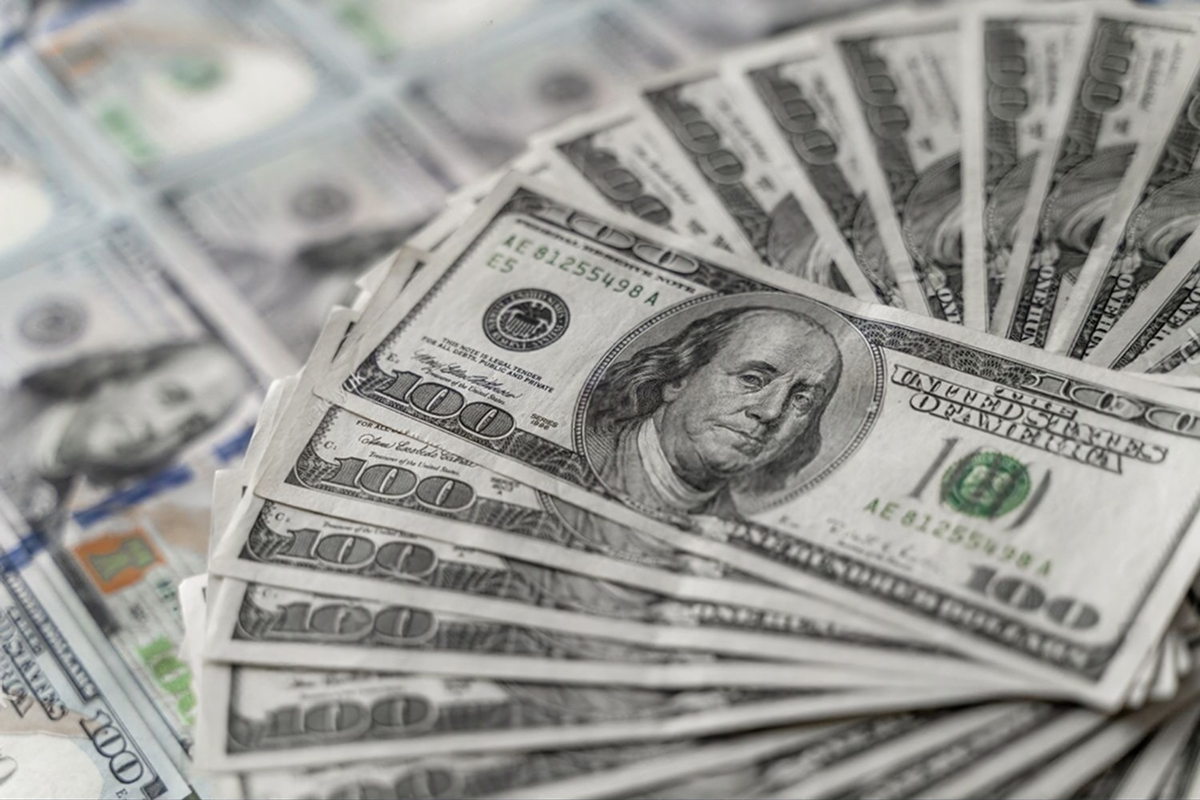
The US dollar has weakened from an 18-month high as investors await fresh inflation data and comments from Federal Reserve officials to assess the outlook for interest rates. Lower oil prices and a reassessment of gains in US AI-related assets have added pressure on the currency, while fiscal concerns in France continue to influence European bond and foreign exchange markets.
US Inflation Data Could Shift Rate Expectations
Investors are focused on the upcoming US Consumer Price Index report, which should provide an updated picture of inflationary pressures and help determine whether the Federal Reserve could raise interest rates as soon as October. Core inflation, which excludes volatile food and energy prices, is particularly important because it offers a clearer indication of underlying price pressures.
Forecasts published ahead of the release point to a 0.6% monthly increase in headline CPI for September, while core CPI is expected to rise 0.2%. A stronger-than-expected core reading could increase expectations that the Fed will need to deliver another rate hike this month, potentially supporting the dollar by improving the relative appeal of US assets. Conversely, softer inflation data could reduce pressure for near-term monetary tightening.
Dollar Retreats From an 18-Month High
The US Dollar Index, which measures the currency against a basket of major peers, slipped 0.02% to 102.16 on Wednesday after falling 0.35% on Tuesday. The pullback follows a rally that took the dollar to an 18-month high, supported in part by demand for US assets and gains in equities linked to artificial intelligence.
Falling oil prices have provided another headwind for the currency, while investors reassess the strength of the recent rally in AI-related assets. Nevertheless, the dollar’s decline remains relatively modest, and its next move will depend heavily on incoming economic data and changes in interest-rate expectations.
The euro edged higher, although concerns over France’s fiscal position continue to weigh on sentiment in European bond markets. Elevated bond yields amid fiscal uncertainty can influence capital flows and affect exchange rates between major currencies.
Fed Officials’ Comments Will Share the Spotlight With Inflation
Beyond the inflation figures themselves, investors will scrutinize comments from Federal Reserve officials for clues about how firmly the central bank intends to maintain its fight against inflation. The release of the Fed’s Beige Book, which summarizes economic conditions across its districts, could provide additional insight into business activity, the labor market and price pressures.
Rate expectations depend not only on inflation but also on the Fed’s assessment of consumer demand and production costs. If the data point to persistent price pressures, the dollar could regain strength and US Treasury yields could rise. In contrast, signs of moderating inflation could reduce expectations for an imminent rate increase and support other currencies against the dollar.
What Investors Should Watch Next
In the coming days, the CPI report, comments from Fed officials and movements in energy prices will remain central to market sentiment. For investors in foreign exchange and bond markets, the interaction between inflation, monetary policy expectations and oil prices will help determine whether the dollar’s weakness represents a temporary correction following its recent rally or the beginning of a more sustained trend.
Comparison, examination, and analysis between investment houses
Leave your details, and an expert from our team will get back to you as soon as possible
* This article, in whole or in part, does not contain any promise of investment returns, nor does it constitute professional advice to make investments in any particular field.
To read more about the full disclaimer, click here
- Arik Arkadi Sluzki
- •
- 7 Min Read
- •
- ago 4 hours
SKN | Fed’s Williams Sees No Need for 2027 Rate Hike as Inflation Gradually Cools
New York Federal Reserve President John Williams said he currently sees no need for additional interest-rate increases in 2027,
- ago 4 hours
- •
- 7 Min Read
New York Federal Reserve President John Williams said he currently sees no need for additional interest-rate increases in 2027,

- Lior mor
- •
- 7 Min Read
- •
- ago 4 hours
SKN | Higher Treasury Yields Revive the 60/40 Portfolio as Investors Rethink Bond Allocation
The recent selloff in government bonds is prompting U.S. investors to reconsider the traditional 60/40 portfolio, as higher Treasury
- ago 4 hours
- •
- 7 Min Read

The recent selloff in government bonds is prompting U.S. investors to reconsider the traditional 60/40 portfolio, as higher Treasury

- omer bar
- •
- 7 Min Read
- •
- ago 4 hours
SKN | PIMCO Warns U.S. Treasury Yields May Have Further Room to Rise as Fed Tightening Could Continue
U.S. Treasury yields may not have reached their peak, with the Federal Reserve potentially having room for one or
- ago 4 hours
- •
- 7 Min Read
U.S. Treasury yields may not have reached their peak, with the Federal Reserve potentially having room for one or

- sagi habasov
- •
- 7 Min Read
- •
- ago 8 hours
SKN | Fund Managers Want 10-Year Treasury Yields at 5.9% Before Switching From Stocks to Bonds, BofA Survey Finds
Treasury Yields Continue to Challenge Investors The rapid rise in bond yields has not yet reached the level that fund
- ago 8 hours
- •
- 7 Min Read

Treasury Yields Continue to Challenge Investors The rapid rise in bond yields has not yet reached the level that fund
