




- omer bar
- •
- 7 Min Read
- •
- 4 hours ago


Key Points
- PIMCO CIO Dan Ivascyn expects the Federal Reserve to keep rates unchanged later this month but sees scope for one or two additional rate increases.
- Long-dated U.S. Treasury yields may still rise as markets adjust to the possibility of a prolonged tightening cycle.
- Higher borrowing costs could place additional pressure on housing and commercial real estate, according to Ivascyn.
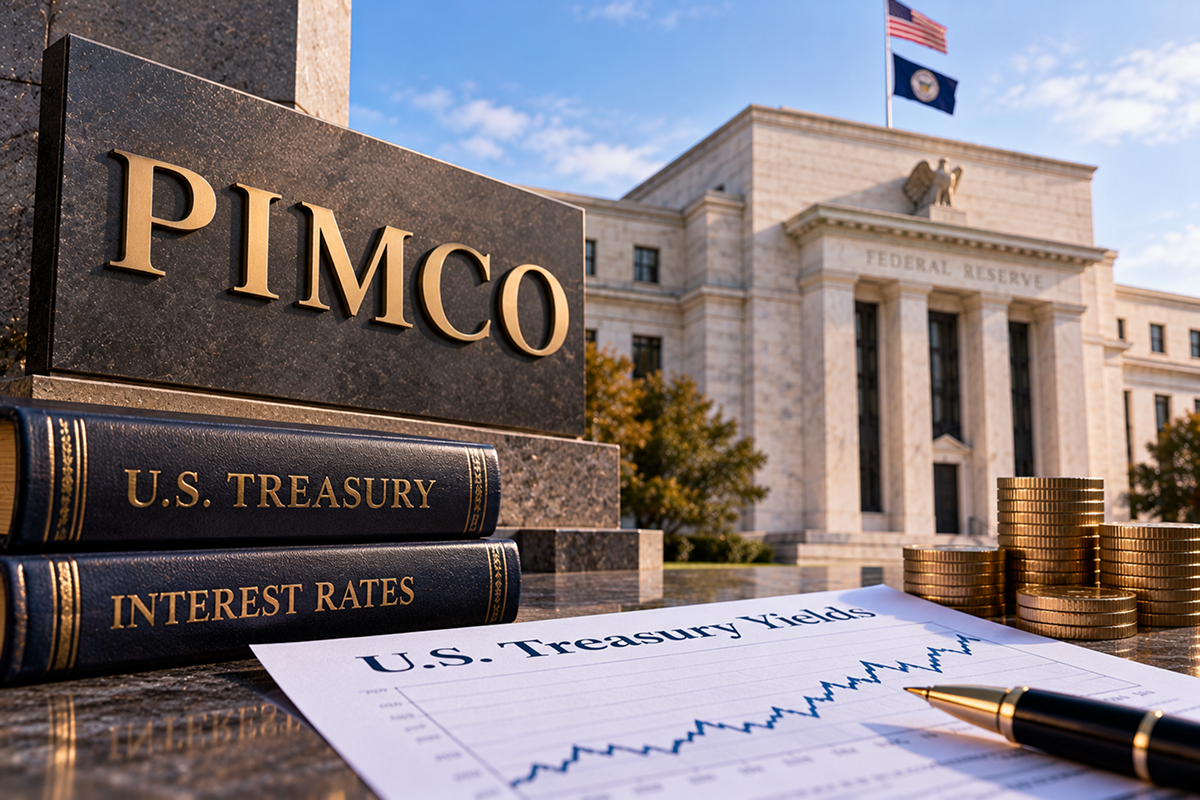
U.S. Treasury yields may not have reached their peak, with the Federal Reserve potentially having room for one or two additional interest-rate increases before the current tightening cycle ends, according to Dan Ivascyn, chief investment officer at PIMCO. His assessment adds to market attention surrounding the trajectory of long-term borrowing costs as investors evaluate inflation, economic resilience and the Federal Reserve’s policy path.
PIMCO Sees Further Room for Treasury Yields to Rise
Ivascyn, speaking to Reuters on the sidelines of the Grant’s Fall Conference on Tuesday, said he expects the Federal Reserve to leave interest rates unchanged later this month. However, he believes policymakers could subsequently deliver one or two additional increases before the tightening cycle concludes.
The outlook is significant for the Treasury market because expectations for the federal funds rate influence the broader structure of U.S. borrowing costs. If investors begin to price a longer period of restrictive monetary policy, longer-dated Treasury yields could remain elevated or move higher as markets adjust to the possibility that inflation and economic strength will require tighter financial conditions.
Long-Term Rates Could Test Interest-Sensitive Sectors
Higher long-term yields can have consequences well beyond government bonds. Ivascyn highlighted housing and commercial real estate as areas likely to feel the impact of further rate increases. Higher financing costs can affect borrowing decisions, refinancing activity and valuations across property markets, particularly where existing debt needs to be rolled over at higher rates.
The transmission from monetary policy to the real economy can therefore continue even after the Federal Reserve pauses. Financial conditions may remain restrictive as companies, households and property owners refinance debt at higher costs. This could influence economic activity even if the central bank does not immediately deliver another increase.
Fed Leadership and Policy Timing Remain Important
Ivascyn also offered a view on Fed policymaker Warsh, saying he appears more inclined to wait and hold the current policy stance. That suggests differences in the timing and preferred pace of monetary-policy decisions could remain relevant as officials assess incoming economic information.
For markets, the distinction between a temporary pause and the end of a tightening cycle remains important. A pause could provide policymakers with time to assess the effects of previous rate increases without necessarily signaling that further action has been ruled out. This uncertainty can contribute to volatility in Treasury yields as investors continuously adjust expectations based on economic and inflation developments.
What Higher Yields Could Mean for Global Markets
The U.S. Treasury market remains a key reference point for global borrowing costs, meaning sustained increases in long-term yields can influence international bonds, currencies and equity valuations. Higher U.S. yields can also affect capital flows as investors reassess relative returns across major markets.
Going forward, attention will center on Federal Reserve policy signals, inflation trends and the behavior of long-dated Treasury yields. If policymakers signal that additional tightening remains possible, yields could face further upward pressure. Conversely, evidence that economic conditions are cooling could strengthen expectations that the current cycle is approaching its end, making the next stages of the Treasury market particularly important for global investors.
Comparison, examination, and analysis between investment houses
Leave your details, and an expert from our team will get back to you as soon as possible
* This article, in whole or in part, does not contain any promise of investment returns, nor does it constitute professional advice to make investments in any particular field.
To read more about the full disclaimer, click here
- Ronny Mor
- •
- 7 Min Read
- •
- ago 7 minutes
SKN | How Singapore’s Central Bank Manages Monetary Policy by Targeting the Currency, Not Interest Rates
Most central banks use interest rates as their main tool for controlling inflation, but Singapore takes a different approach. Since
- ago 7 minutes
- •
- 7 Min Read

Most central banks use interest rates as their main tool for controlling inflation, but Singapore takes a different approach. Since

- Lior mor
- •
- 6 Min Read
- •
- ago 3 hours
SKN | Saudi Arabia Drives OPEC+ Production Higher Despite Iran War Disruptions
OPEC+ sharply increased oil production in September despite continued disruption to shipments through the Strait of Hormuz caused by
- ago 3 hours
- •
- 6 Min Read

OPEC+ sharply increased oil production in September despite continued disruption to shipments through the Strait of Hormuz caused by

- Arik Arkadi Sluzki
- •
- 7 Min Read
- •
- ago 4 hours
SKN | Fed’s Williams Sees No Need for 2027 Rate Hike as Inflation Gradually Cools
New York Federal Reserve President John Williams said he currently sees no need for additional interest-rate increases in 2027,
- ago 4 hours
- •
- 7 Min Read
New York Federal Reserve President John Williams said he currently sees no need for additional interest-rate increases in 2027,
- Lior mor
- •
- 7 Min Read
- •
- ago 4 hours
SKN | Higher Treasury Yields Revive the 60/40 Portfolio as Investors Rethink Bond Allocation
The recent selloff in government bonds is prompting U.S. investors to reconsider the traditional 60/40 portfolio, as higher Treasury
- ago 4 hours
- •
- 7 Min Read
The recent selloff in government bonds is prompting U.S. investors to reconsider the traditional 60/40 portfolio, as higher Treasury
