




- Arik Arkadi Sluzki
- •
- 7 Min Read
- •
- 4 hours ago


Key Points
- New York Fed President John Williams still expects that one more rate hike may be appropriate in 2026.
- Williams currently sees no reason for additional rate increases in 2027, while acknowledging that incoming data could change his outlook.
- The Federal Reserve raised its policy rate to the 3.75%–4.00% range last month as policymakers continued addressing inflation.
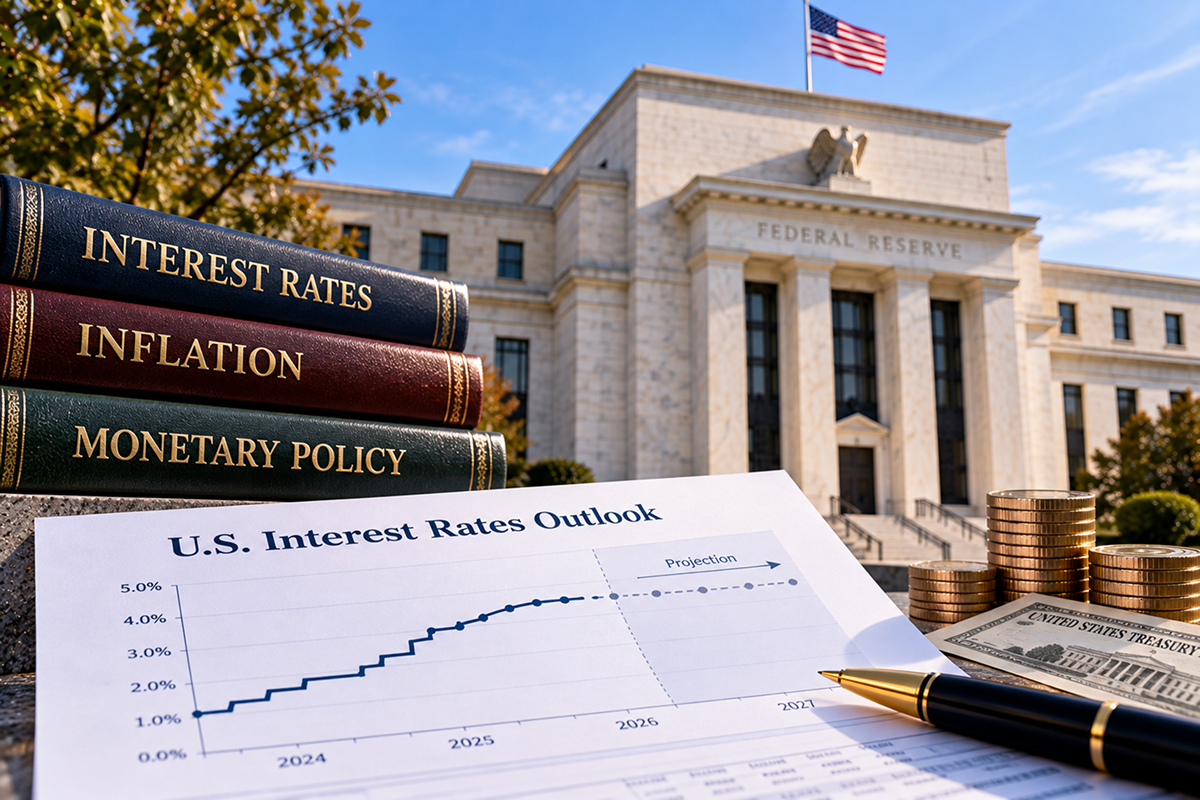
New York Federal Reserve President John Williams said he currently sees no need for additional interest-rate increases in 2027, while maintaining his view that the U.S. central bank may need to raise rates once more this year. His comments provide an important indication of how one senior Fed official views the balance between persistent inflation pressures and the prospect of gradually easing price growth.
Williams Maintains One-Hike Outlook for 2026
Williams reaffirmed that he believes one additional rate increase in 2026 could be appropriate, according to comments reported by Bloomberg News on Tuesday. He said his view had not changed, indicating that the current level of monetary policy may not yet be sufficient, in his assessment, to fully address inflation.
The position comes after the Federal Reserve raised its policy rate last month to a range of 3.75% to 4.00%. Williams’ comments therefore suggest that the debate over whether the current tightening cycle is complete remains open, even as policymakers evaluate the effects of previous increases on the economy.
For financial markets, the distinction between one final increase and a prolonged series of hikes is significant. A limited additional adjustment would point toward a more contained tightening path, while evidence of renewed inflation could potentially require policymakers to reconsider the duration of restrictive policy.
2027 Outlook Points Toward Policy Stability
Williams offered a different assessment for 2027, saying he does not currently have a reason to believe the Federal Reserve would need to raise rates further. He nevertheless left the door open for that outlook to change if economic conditions or incoming data warrant a different policy response.
This conditional approach underscores the importance of economic data in determining the Fed’s future decisions. Monetary policy is not being presented as predetermined, with inflation and broader economic developments remaining central to the assessment of whether additional tightening is necessary.
Inflation Remains Central to the Policy Path
Williams also expects inflation to ease gradually, a development that could support a more stable interest-rate environment if that trajectory continues. Gradual improvement, however, implies that the process may take time, leaving policymakers focused on whether inflation is moving consistently toward a level compatible with their objectives.
The comments also highlight the tension facing the Federal Reserve. Policymakers must weigh the need to contain inflation against the effects of maintaining higher interest rates on economic activity and financial conditions. A gradual decline in inflation could allow the central bank to avoid additional tightening, while a reversal in price pressures could change that calculation.
Markets Await Further Evidence
Williams’ outlook is therefore conditional rather than a firm commitment about future policy. His current expectation of no rate hikes in 2027 provides a baseline for markets, but the possibility of changing economic data remains explicitly open.
Going forward, investors will focus on inflation trends and other economic indicators for evidence of whether Williams’ projected path remains viable. The key question will be whether inflation continues to ease gradually enough for the Fed to complete its tightening process, or whether persistent price pressures create a case for further action. That distinction will remain important for U.S. Treasury yields, the dollar and broader financial-market expectations as 2026 progresses.
Comparison, examination, and analysis between investment houses
Leave your details, and an expert from our team will get back to you as soon as possible
* This article, in whole or in part, does not contain any promise of investment returns, nor does it constitute professional advice to make investments in any particular field.
To read more about the full disclaimer, click here
- Ronny Mor
- •
- 7 Min Read
- •
- ago 5 minutes
SKN | How Singapore’s Central Bank Manages Monetary Policy by Targeting the Currency, Not Interest Rates
Most central banks use interest rates as their main tool for controlling inflation, but Singapore takes a different approach. Since
- ago 5 minutes
- •
- 7 Min Read

Most central banks use interest rates as their main tool for controlling inflation, but Singapore takes a different approach. Since

- Lior mor
- •
- 6 Min Read
- •
- ago 3 hours
SKN | Saudi Arabia Drives OPEC+ Production Higher Despite Iran War Disruptions
OPEC+ sharply increased oil production in September despite continued disruption to shipments through the Strait of Hormuz caused by
- ago 3 hours
- •
- 6 Min Read

OPEC+ sharply increased oil production in September despite continued disruption to shipments through the Strait of Hormuz caused by
- Lior mor
- •
- 7 Min Read
- •
- ago 4 hours
SKN | Higher Treasury Yields Revive the 60/40 Portfolio as Investors Rethink Bond Allocation
The recent selloff in government bonds is prompting U.S. investors to reconsider the traditional 60/40 portfolio, as higher Treasury
- ago 4 hours
- •
- 7 Min Read
The recent selloff in government bonds is prompting U.S. investors to reconsider the traditional 60/40 portfolio, as higher Treasury

- omer bar
- •
- 7 Min Read
- •
- ago 4 hours
SKN | PIMCO Warns U.S. Treasury Yields May Have Further Room to Rise as Fed Tightening Could Continue
U.S. Treasury yields may not have reached their peak, with the Federal Reserve potentially having room for one or
- ago 4 hours
- •
- 7 Min Read
U.S. Treasury yields may not have reached their peak, with the Federal Reserve potentially having room for one or
