




- Arik Arkadi Sluzki
- •
- 6 Min Read
- •
- 8 minutes ago


Key Points
- Markets are pricing about a 78% probability of a quarter-point Federal Reserve rate hike in December following stronger-than-expected employment data.
- U.S. employers added 165,000 jobs in October, more than twice the expected increase, while unemployment edged down to 4.1%.
- Traders have also brought forward expectations for another rate increase, now seeing April as more likely than June.
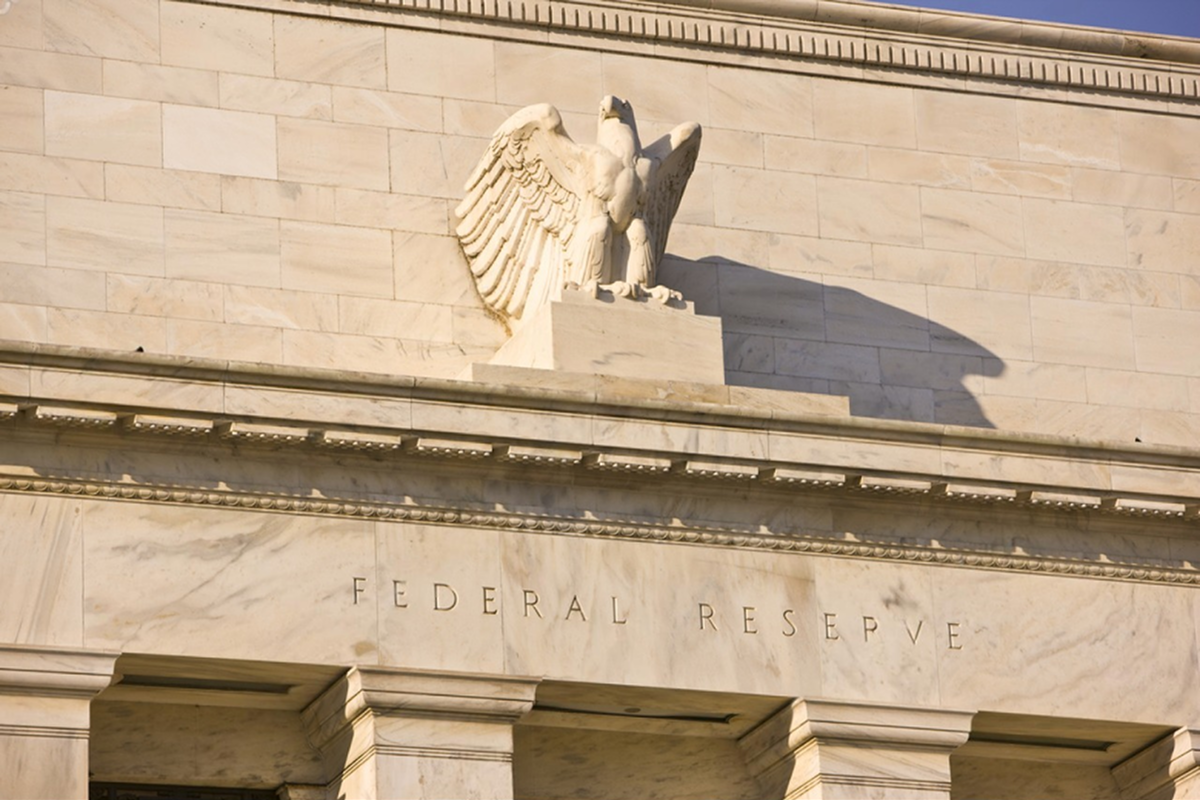
Stronger-than-expected U.S. employment data has materially shifted expectations for Federal Reserve policy, with markets increasing bets that policymakers will resume raising interest rates in December. The latest labor-market strength comes as investors are already reassessing monetary policy, equity valuations and the economic implications of slowing enthusiasm around artificial intelligence.
October Jobs Growth Strengthens the Case for Tightening
U.S. employers added 165,000 jobs in October, according to Bureau of Labor Statistics data, substantially exceeding economists’ expectations of roughly 65,000. The unemployment rate also edged down to 4.1%, providing further evidence that labor-market conditions remain relatively resilient despite the broader uncertainty affecting financial markets.
The figures strengthen the argument for additional monetary tightening because the Federal Reserve has been closely monitoring whether economic activity and employment remain strong enough to sustain inflationary pressure. The latest report therefore provides policymakers with evidence that demand has not weakened sufficiently to eliminate the possibility of further rate increases.
Markets Raise December Rate-Hike Bets
Following the employment report, financial markets priced in approximately a 78% probability of a quarter-point Fed rate hike in December. The shift represents a notable change in expectations after concerns surrounding the post-election decline in U.S. stocks and uncertainty over the sustainability of AI-driven economic demand had weakened the case for additional tightening.
The stronger payroll figure has changed that balance. Rather than signaling an economy rapidly losing momentum, the data points to continued employment resilience, giving policymakers greater flexibility to maintain a restrictive monetary stance.
Fed Chairman Kevin Warsh said last month that policymakers would be watching the “accumulation of data” when determining whether additional monetary tightening would be necessary. The October employment report provides one of the clearest pieces of evidence supporting that approach.
Rate Expectations Extend Beyond December
Market pricing has also shifted beyond the December meeting. Traders now see a further rate increase in April rather than June, indicating that expectations for monetary tightening are becoming more persistent rather than being limited to a single year-end adjustment.
That development could have important implications for global financial markets. Higher U.S. rates can influence Treasury yields, the dollar and financing conditions internationally, while also increasing the discount rate applied to long-duration assets. Technology and AI-related companies can be particularly sensitive to these changes because their valuations often incorporate expectations of substantial future growth.
Policy Path Now Depends on Incoming Data
The jobs report does not guarantee that the Federal Reserve will raise rates in December, but it has strengthened the market case for further tightening. Policymakers will still need to evaluate additional economic indicators, particularly inflation, employment and broader demand conditions, before making a final decision.
For global investors, the next phase will depend on whether the labor market continues to demonstrate resilience or begins to weaken under tighter financial conditions. December rate expectations, Treasury yields, inflation data and technology-sector valuations will remain important indicators as markets assess whether the latest employment strength represents a durable trend or a temporary reprieve before economic momentum slows.
Comparison, examination, and analysis between investment houses
Leave your details, and an expert from our team will get back to you as soon as possible
* This article, in whole or in part, does not contain any promise of investment returns, nor does it constitute professional advice to make investments in any particular field.
To read more about the full disclaimer, click here
- Ronny Mor
- •
- 6 Min Read
- •
- ago 1 hour
SKN | US Job Growth Surges in October as Unemployment Rate Falls to 4.1%
US Labor Market Shows Renewed Momentum US employment growth accelerated in October, suggesting the labor market may be strengthening after
- ago 1 hour
- •
- 6 Min Read
US Labor Market Shows Renewed Momentum US employment growth accelerated in October, suggesting the labor market may be strengthening after

- sagi habasov
- •
- 6 Min Read
- •
- ago 12 hours
SKN | Dollar Steady, Yen Advances as Global Tech Rout Drains Risk Appetite Ahead of U.S. Payrolls
The U.S. dollar held stable while the Japanese yen advanced on Friday morning, November 6, 2026, as an aggressive equity
- ago 12 hours
- •
- 6 Min Read

The U.S. dollar held stable while the Japanese yen advanced on Friday morning, November 6, 2026, as an aggressive equity

- Arik Arkadi Sluzki
- •
- 7 Min Read
- •
- ago 18 hours
SKN | Japanese Savers Rediscover Interest Rates as Government Bonds Challenge Bank Deposits
Japanese households are beginning to respond to a financial environment that had been largely absent for decades: meaningful interest
- ago 18 hours
- •
- 7 Min Read

Japanese households are beginning to respond to a financial environment that had been largely absent for decades: meaningful interest
- Ronny Mor
- •
- 7 Min Read
- •
- ago 19 hours
SKN | Fed Officials Back Gradual Rate Hikes as Inflation Remains Above Target
Two Federal Reserve officials made the case on Thursday for modest and steady interest-rate increases to bring inflation back
- ago 19 hours
- •
- 7 Min Read
Two Federal Reserve officials made the case on Thursday for modest and steady interest-rate increases to bring inflation back
