




- sagi habasov
- •
- 6 Min Read
- •
- 2 minutes ago


Key Points
- The U.S. Dollar Index held flat near 101.55 while the Japanese yen gained, driven by haven demand following a $2.5 trillion global equity selloff.
- Traders trimmed December Federal Reserve rate hike odds to roughly 70% from over 80% as sliding Treasury yields cushioned currency volatility.
- For international and Israeli allocators, the pre-payrolls pause balances equity de-risking against steady New Israeli Shekel performance near 3.14 per dollar.
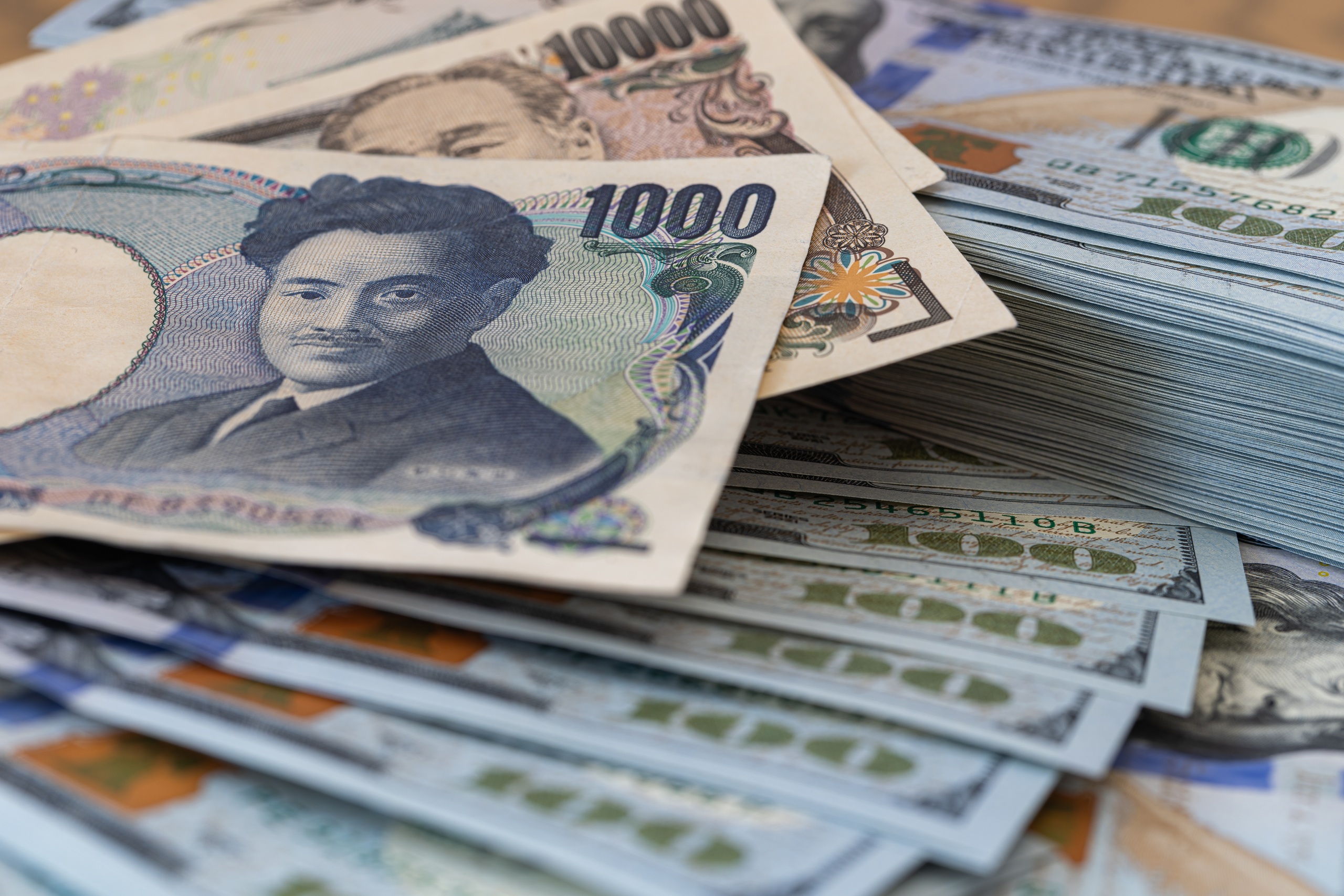
The U.S. dollar held stable while the Japanese yen advanced on Friday morning, November 6, 2026, as an aggressive equity rout curtailed risk appetite across global financial markets. The U.S. Dollar Index traded flat near 101.55 after an intensifying selloff in artificial intelligence and semiconductor shares wiped out more than $2.5 trillion in market value. With institutional capital seeking traditional havens and Treasury yields retreating, currency trading desks have paused ahead of the critical U.S. October nonfarm payrolls release.
Equity De-Risking Sparks Haven Flows Into Yen and Treasuries
The catalyst anchoring the greenback while lifting the yen was acute contagion from Wall Street’s tech slump into Asian equity bourses. Following Thursday’s 5.5% plunge in the Nasdaq Composite—fueled by post-midterm regulatory concerns and power constraints on data centers—Asian hardware hubs suffered heavy losses, with South Korea’s KOSPI tumbling over 8% and Japan’s Nikkei 225 sliding into bear-market territory. This rapid drawdown prompted systematic funds to unwind carry trades and rotate into defensive assets, lifting the Japanese yen toward 157.50 per dollar and supporting the Swiss franc.
Concurrently, benchmark sovereign bond yields dropped as fixed-income desks repriced near-term monetary expectations. The 10-year U.S. Treasury yield eased toward 4.88%, prompting fed funds futures traders to lower the probability of a 25-basis-point Federal Reserve rate hike in December to around 70%, down from more than 80% earlier in the week. European currencies showed measured resilience; sterling held near $1.3457 following the Bank of England’s anticipated interest rate hike, while the euro hovered around $1.1222, tracking toward a 0.5% weekly gain.
Macro Repricing and Repercussions for Israeli Desks
The retreat in U.S. sovereign yields alongside haven currency resilience provides a stabilizing macro anchor for Israeli institutional portfolios. The New Israeli Shekel (NIS) has demonstrated stability around 3.14 per dollar, bolstered by institutional currency hedging and falling imported energy costs as crude oil benchmarks trade lower. A stable exchange rate limits imported inflation pressures for the Bank of Israel, providing domestic policymakers room to maintain interest rate stability amid lingering regional defense expenditures.
On the Tel Aviv Stock Exchange (TASE), local asset managers are navigating cross-market tech equity volatility by preserving defensive liquidity buffers. Israeli institutional pension and provident funds, which hold substantial global equity exposure, are balancing U.S. dollar cash holdings against domestic government bonds (Shahar) to absorb overseas equity drawdowns. Local allocators are directing inflows toward enterprise cybersecurity and profitable software firms with organic free cash flow, avoiding highly leveraged hardware constituents vulnerable to extended capex deceleration.
Outlook: Employment Verification, Wage Growth, and Dollar Direction
Moving into the North American trading session, global market direction hinges entirely on the U.S. Bureau of Labor Statistics nonfarm payrolls report and average hourly earnings data. A stronger-than-expected labor print could revive hawkish Federal Reserve terminal rate projections, lifting benchmark Treasury yields and driving the Dollar Index toward technical resistance at 102.20. Conversely, a softer employment figure would validate the recent decline in bond yields, cementing safe-haven gains in the yen while allowing oversold tech constituents room for a technical rebound heading into the weekend.
Comparison, examination, and analysis between investment houses
Leave your details, and an expert from our team will get back to you as soon as possible
* This article, in whole or in part, does not contain any promise of investment returns, nor does it constitute professional advice to make investments in any particular field.
To read more about the full disclaimer, click here
- Arik Arkadi Sluzki
- •
- 7 Min Read
- •
- ago 6 hours
SKN | Japanese Savers Rediscover Interest Rates as Government Bonds Challenge Bank Deposits
Japanese households are beginning to respond to a financial environment that had been largely absent for decades: meaningful interest
- ago 6 hours
- •
- 7 Min Read

Japanese households are beginning to respond to a financial environment that had been largely absent for decades: meaningful interest

- Ronny Mor
- •
- 7 Min Read
- •
- ago 7 hours
SKN | Fed Officials Back Gradual Rate Hikes as Inflation Remains Above Target
Two Federal Reserve officials made the case on Thursday for modest and steady interest-rate increases to bring inflation back
- ago 7 hours
- •
- 7 Min Read
Two Federal Reserve officials made the case on Thursday for modest and steady interest-rate increases to bring inflation back

- sagi habasov
- •
- 9 Min Read
- •
- ago 12 hours
SKN | Bank of England Raises Interest Rates to 4% as Markets Anticipate Further Tightening
Bank of England Delivers First Rate Increase Since 2023 The Bank of England raised interest rates for the first time
- ago 12 hours
- •
- 9 Min Read
Bank of England Delivers First Rate Increase Since 2023 The Bank of England raised interest rates for the first time

- Lior mor
- •
- 7 Min Read
- •
- ago 1 day
SKN | Dollar Softens as Midterm Election Clarity Boosts Global Sentiment: Can the Greenback Reclaim Yield Dominance?
The U.S. dollar edged lower across major currency pairs on Thursday morning, November 5, 2026, as international financial markets responded
- ago 1 day
- •
- 7 Min Read
The U.S. dollar edged lower across major currency pairs on Thursday morning, November 5, 2026, as international financial markets responded
