




- Lior mor
- •
- 7 Min Read
- •
- 2 minutes ago


Key Points
- The U.S. Dollar Index (DXY) slid toward 101.25 on Thursday, November 5, 2026, as the resolution of U.S. midterm congressional elections removed an overhang of political uncertainty and sparked a relief rotation into risk assets.
- G10 currencies capitalized on the greenback’s pullback, with sterling advancing to a seven-week high near $1.346 ahead of the Bank of England's rate decision, while the Australian dollar held above $0.700.
- For international allocators and Israeli institutional desks, the dollar's retreat stabilizes foreign-exchange volatility and relieves imported price pressures, though high U.S. sovereign yields curb aggressive dollar-short positioning.
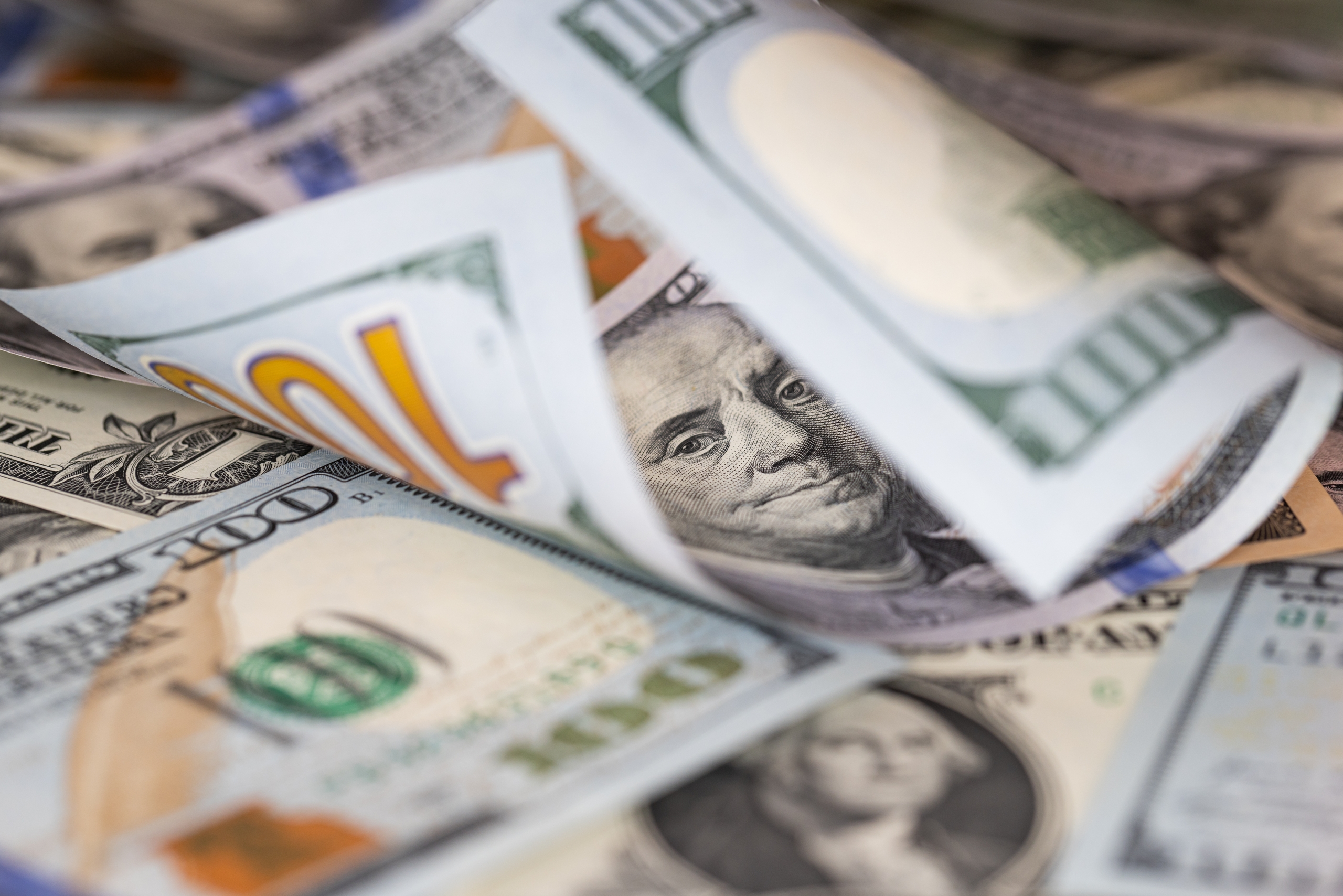
The U.S. dollar edged lower across major currency pairs on Thursday morning, November 5, 2026, as international financial markets responded with relief to the resolution of the U.S. midterm elections. The U.S. Dollar Index slipped approximately 0.5% toward 101.25, extending a multi-session retreat as the removal of domestic electoral gridlock uncertainty encouraged trading desks to trim defensive safe-haven holdings. This currency repricing unfolds against a dynamic macro backdrop, where easing geopolitical risk premiums in energy markets and resilient economic activity are re-anchoring cross-border capital flows.
Electoral Resolution Unwinds Safe-Haven Premium Across G10 Pairs
The dollar’s downward drift reflects the removal of political tail-risk rather than an immediate deterioration in U.S. economic fundamentals. With congressional election results established, global equity desks absorbed the clarity positively, prompting systematic funds to reallocate capital into international bourses. The British pound rallied for a sixth consecutive session, advancing 0.38% to $1.3462—after touching a multi-week peak of $1.3503—supported by expectations that the Bank of England will adjust borrowing costs to manage persistent services inflation.
Concurrently, commodity-linked and regional currencies consolidated recent advances against the dollar. The Australian dollar maintained support around $0.701 following the Reserve Bank of Australia’s recent rate hike, while the New Zealand dollar added 0.12% to $0.5627. Meanwhile, the Japanese yen traded with a firmer bias near 157.80 per dollar, bolstered by Bank of Japan meeting minutes indicating continued openness to further monetary tightening. Although the U.S. ADP National Employment Report showed private payrolls expanding by 86,000 in October—surpassing consensus forecasts of 69,000—the data failed to generate a sustained dollar rebound as broader risk-on sentiment dominated trading screens.
Cross-Asset Transmission and Repercussions for Israeli Portfolios
The greenback’s controlled retreat carries meaningful strategic implications for Israeli capital markets and domestic institutional asset allocators. On the foreign-exchange desk, the softening dollar provides steadying momentum to the New Israeli Shekel (NIS), which has consolidated near 3.14 per dollar. Coupled with recent declines in benchmark crude oil, a more subdued U.S. currency relieves imported inflationary pressures on domestic consumer price indices, granting the Bank of Israel enhanced flexibility as it evaluates benchmark interest rate policy amid ongoing regional defense expenditures.
For institutional pension managers and asset allocators on the Tel Aviv Stock Exchange (TASE), the normalization in foreign-exchange volatility reduces the cost of maintaining foreign-currency hedge ratios. Israeli technology constituents, which derive significant revenues in U.S. dollars while incurring local operational expenses in shekels, face a recalibration of cross-border margins. However, with benchmark 10-year U.S. Treasury yields holding near 4.92%, the fundamental yield spread continues to support core dollar asset demand, prompting local institutional allocators to avoid aggressive unhedged currency bets and preserve duration balance across domestic government bonds.
Outlook: Central Bank Decisions, Labor Reports, and Yield Support
Moving through the remainder of the trading week, currency desks will navigate monetary policy outcomes from the Bank of England, Sweden’s Riksbank, and Norway’s Norges Bank to gauge the degree of divergence among major central banks. The immediate catalyst for the dollar will arrive with Friday’s comprehensive U.S. nonfarm payrolls report, which will determine whether labor market resilience forces the Federal Reserve to maintain a prolonged restrictive stance. Investors should monitor whether the Dollar Index can defend technical support near 101.10, as a resilient jobs print could quickly re-ignite Treasury yields and halt the greenback’s post-election decline.
Comparison, examination, and analysis between investment houses
Leave your details, and an expert from our team will get back to you as soon as possible
* This article, in whole or in part, does not contain any promise of investment returns, nor does it constitute professional advice to make investments in any particular field.
To read more about the full disclaimer, click here
- Ronny Mor
- •
- 6 Min Read
- •
- ago 1 day
SKN | Meta Raises $15 Billion in Bond Offering as 30-Year Debt Yield Reaches 7.5%
Meta has entered the bond market with a $15 billion debt offering, securing financing across maturities extending from five
- ago 1 day
- •
- 6 Min Read

Meta has entered the bond market with a $15 billion debt offering, securing financing across maturities extending from five

- orshu
- •
- 7 Min Read
- •
- ago 1 day
SKN | ECB December Rate Hike Gains Momentum as Bundesbank’s Nagel Warns of Rising Inflation Risks
The European Central Bank's monetary policy outlook is becoming increasingly restrictive as renewed energy inflation complicates the eurozone's path
- ago 1 day
- •
- 7 Min Read

The European Central Bank's monetary policy outlook is becoming increasingly restrictive as renewed energy inflation complicates the eurozone's path

- Lior mor
- •
- 6 Min Read
- •
- ago 2 days
SKN | U.S. Treasury Yields Rise as Midterm Elections, Jobs Data and Iran Tensions Shape Markets
Treasury Yields Edge Higher U.S. Treasury yields moved higher Tuesday as investors weighed the start of the midterm elections, upcoming
- ago 2 days
- •
- 6 Min Read

Treasury Yields Edge Higher U.S. Treasury yields moved higher Tuesday as investors weighed the start of the midterm elections, upcoming
- Lior mor
- •
- 9 Min Read
- •
- ago 2 days
SKN | AI Debt Surge Could Pressure European Bond Markets as Big Tech Expands Borrowing
Big Tech Turns to European Debt Markets European bond markets are facing increasing pressure as major US technology companies expand
- ago 2 days
- •
- 9 Min Read

Big Tech Turns to European Debt Markets European bond markets are facing increasing pressure as major US technology companies expand
