




- Ronny Mor
- •
- 7 Min Read
- •
- 5 minutes ago


Key Points
- Federal Reserve officials Hammack and Barkin backed a gradual approach to further interest-rate increases to address persistent inflation.
- The comments came after Democratic election gains that could influence expectations for future price pressures and economic policy.
- The officials spoke as investors remained concerned about the outlook for technology and AI investment following the U.S. midterm elections.
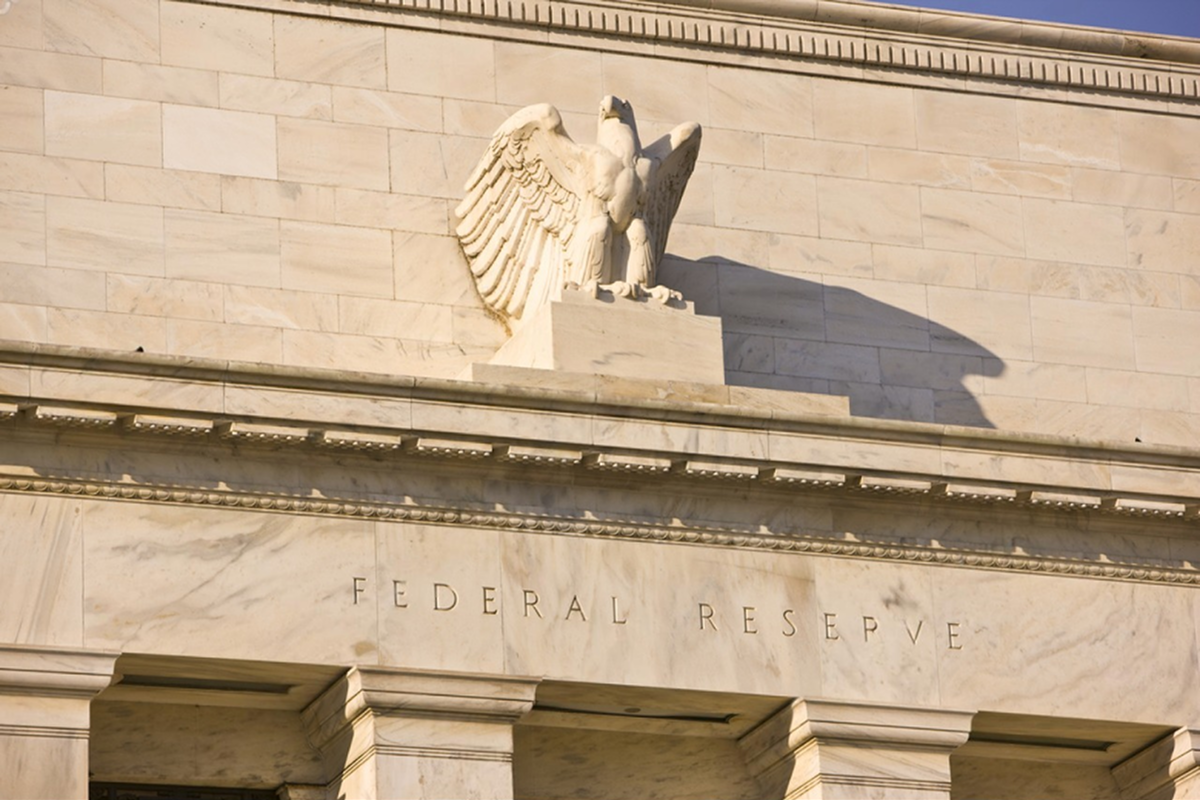
Two Federal Reserve officials made the case on Thursday for modest and steady interest-rate increases to bring inflation back toward the central bank’s target, offering the first round of comments from Fed policymakers after Democrats made significant gains in the U.S. midterm elections. Their remarks came as financial markets were already facing pressure from concerns over technology spending and the potential impact of political changes on investment in artificial intelligence.
Fed Officials Favor a Gradual Policy Path
Fed officials Hammack and Barkin argued that monetary policy should continue moving gradually to address inflation that remains above the central bank’s target. Their position points toward a measured tightening approach rather than a rapid series of large increases, allowing policymakers to monitor how higher borrowing costs affect economic activity and price pressures.
The emphasis on gradual increases reflects the challenge facing the Federal Reserve. Inflation remains sufficiently elevated to require continued attention, but aggressive tightening could create additional pressure on economic growth. A steady approach would give policymakers more time to assess incoming economic data before determining the appropriate pace of future moves.
Their comments therefore reinforce the importance of balancing inflation control and economic stability. The path of interest rates will depend not only on current inflation readings but also on how businesses and households respond to tighter financial conditions.
Election Results Add a New Economic Variable
The officials spoke shortly after Democrats won control of Congress and made gains at the state level. According to the source, the election outcome could alter the economic environment in ways that affect the trajectory of price pressures.
The political shift introduces another variable for investors and policymakers to monitor. Changes in government policy can influence economic activity, investment decisions and the costs faced by businesses and households, although the source does not specify which particular policies could have the largest effect on inflation.
For the Federal Reserve, the immediate challenge remains assessing the underlying inflation trend rather than reacting solely to political developments. The central bank’s policy decisions will continue to depend on economic conditions and incoming data.
AI Investment Concerns Add Market Pressure
The Fed officials’ remarks also came as stock markets experienced notable losses amid investor concerns about the technology sector following the midterm elections. Artificial intelligence investment has become a major source of corporate spending, but political resistance to large-scale infrastructure projects could affect the pace of future investment.
A slowdown in AI-related spending could have broader implications for technology companies and the wider economy, particularly if infrastructure investment represents a significant source of business activity. At the same time, the interaction between higher interest rates and capital-intensive technology investment remains an important consideration for markets.
Inflation and Growth Will Shape the Next Fed Moves
The Federal Reserve now faces a policy environment in which inflation, economic growth, political developments and technology investment are increasingly interconnected. The preference expressed by Hammack and Barkin for gradual rate increases suggests that policymakers remain focused on reducing price pressures while avoiding unnecessary disruption to economic activity.
Going forward, investors will be watching inflation data, economic growth indicators and additional Fed commentary for signs of how long the gradual tightening path may continue. Developments in AI investment and the broader post-election economic environment will also remain important as markets assess whether persistent inflation or slowing growth becomes the dominant influence on U.S. monetary policy.
Comparison, examination, and analysis between investment houses
Leave your details, and an expert from our team will get back to you as soon as possible
* This article, in whole or in part, does not contain any promise of investment returns, nor does it constitute professional advice to make investments in any particular field.
To read more about the full disclaimer, click here
- sagi habasov
- •
- 9 Min Read
- •
- ago 5 hours
SKN | Bank of England Raises Interest Rates to 4% as Markets Anticipate Further Tightening
Bank of England Delivers First Rate Increase Since 2023 The Bank of England raised interest rates for the first time
- ago 5 hours
- •
- 9 Min Read
Bank of England Delivers First Rate Increase Since 2023 The Bank of England raised interest rates for the first time

- orshu
- •
- 7 Min Read
- •
- ago 7 hours
SKN | Visa Sees Strongest U.S. Holiday Retail Growth Since 2021 as Consumer Spending Holds Firm
U.S. holiday retail sales are expected to increase 4.5% year-on-year during the final two months of 2026, marking the
- ago 7 hours
- •
- 7 Min Read

U.S. holiday retail sales are expected to increase 4.5% year-on-year during the final two months of 2026, marking the

- Lior mor
- •
- 7 Min Read
- •
- ago 19 hours
SKN | Inflation Erases Post-Pandemic Wage Gains: Will the 67-Month CPI Squeeze Force a Prolonged Fed Pause?
Cumulative inflation has officially outpaced post-pandemic nominal wage growth in the United States, erasing aggregate real purchasing power gains accumulated
- ago 19 hours
- •
- 7 Min Read

Cumulative inflation has officially outpaced post-pandemic nominal wage growth in the United States, erasing aggregate real purchasing power gains accumulated
- Lior mor
- •
- 7 Min Read
- •
- ago 20 hours
SKN | Dollar Softens as Midterm Election Clarity Boosts Global Sentiment: Can the Greenback Reclaim Yield Dominance?
The U.S. dollar edged lower across major currency pairs on Thursday morning, November 5, 2026, as international financial markets responded
- ago 20 hours
- •
- 7 Min Read
The U.S. dollar edged lower across major currency pairs on Thursday morning, November 5, 2026, as international financial markets responded
