





- Lior mor
- •
- 7 Min Read
- •
- 4 minutes ago


Key Points
- The iShares Silver Trust (SLV) provides exchange-traded exposure to silver prices by holding physical silver bullion, without requiring investors to store the metal themselves.
- Silver’s combination of precious-metal demand and industrial use makes its price sensitive to both financial conditions and developments in manufacturing, electronics and solar energy.
- Interest rates, the U.S. dollar, industrial demand, fund expenses and the difference between market price and net asset value can all influence investor returns.
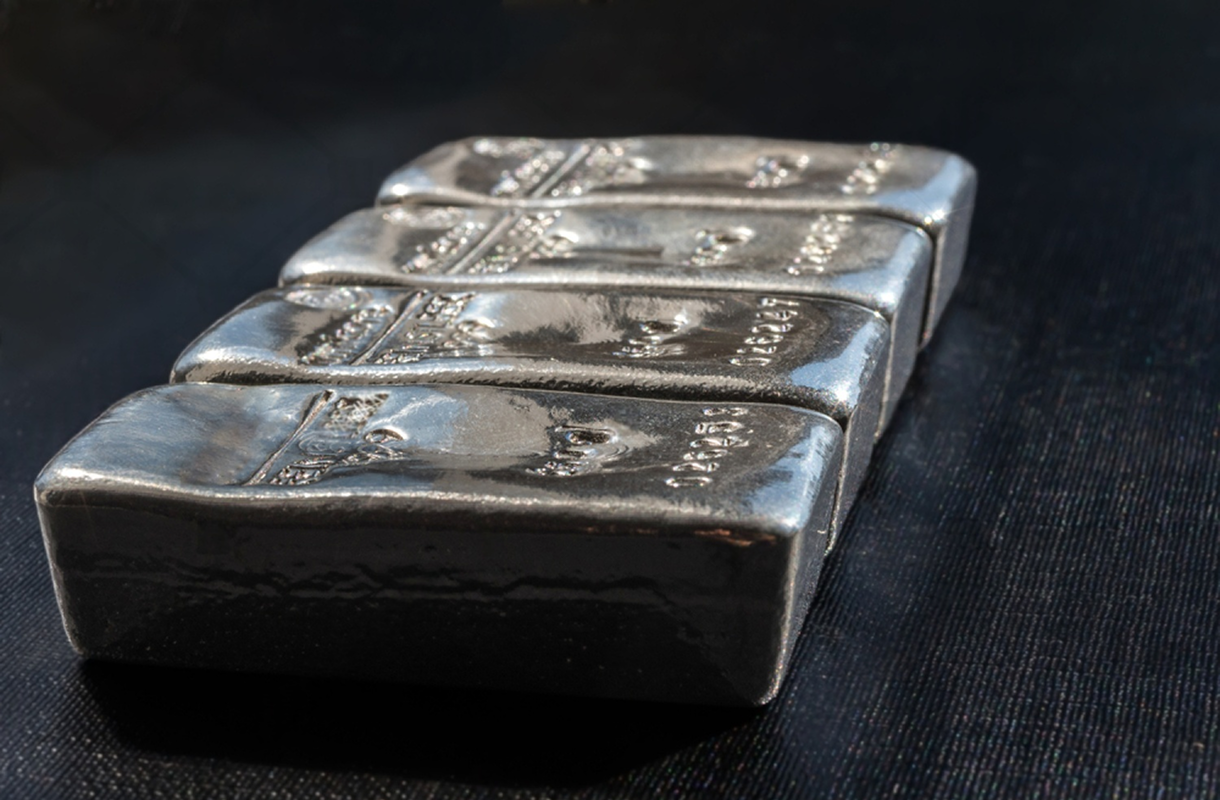
Silver occupies an unusual position in global markets. It can attract demand as a store of value during periods of financial uncertainty, while also serving as an industrial input in electronics, solar panels and other technologies. The iShares Silver Trust (SLV) offers a way to access this market through a listed investment vehicle, but its performance remains tied to silver prices and the forces shaping both investment and industrial demand.
Physical Silver Exposure Through a Listed Trust
SLV is designed to reflect the performance of silver bullion, less the trust’s expenses and liabilities. Rather than using futures contracts as its primary exposure, the trust holds physical silver. Its shares trade on an exchange, allowing investors to obtain exposure to the metal through a securities account without arranging physical storage or delivery.
This structure does not eliminate all costs or trading risks. The trust charges a sponsor fee, and its market price can differ from its net asset value (NAV), which represents the value of its underlying assets after liabilities. Brokerage commissions, bid-ask spreads and currency conversion costs may also affect an investor’s realized return. In addition, the amount of silver represented by each share can gradually decline as the trust sells silver to cover its expenses.
Industrial Demand Adds a Different Price Driver
Unlike gold, which is primarily valued for investment and jewelry demand, silver has substantial industrial applications. Manufacturers use it in electrical contacts, electronics, photovoltaic cells and other products that rely on its conductivity. Growth in solar installations and electrification can therefore support demand, although the amount of silver used per product and changes in manufacturing technology can influence consumption.
This industrial exposure also creates a cyclical risk. If global manufacturing slows or investment in solar and electronics weakens, industrial demand may soften even when investors are seeking precious metals. Conversely, stronger industrial activity can reinforce investment demand. Silver’s price may consequently move differently from gold, particularly when economic-growth expectations and financial-market sentiment point in opposite directions.
Interest Rates, the Dollar and Market Volatility
Silver does not pay interest or dividends, making its relative appeal sensitive to real interest rates and expectations for monetary policy. Lower real yields can reduce the opportunity cost of holding a non-yielding asset, while higher yields may make interest-bearing investments more competitive. Because silver is priced internationally in U.S. dollars, dollar movements also matter: a stronger dollar can make the metal more expensive for buyers using other currencies and may weigh on demand.
For Israeli investors, the dollar-shekel exchange rate adds another layer to returns. Even if SLV rises in dollar terms, a strengthening shekel can reduce the gain when measured in shekels; a weakening shekel can have the opposite effect. The trust’s price may also fluctuate sharply as investors respond to changes in interest-rate expectations, industrial data and geopolitical developments.
Looking ahead, the key indicators for SLV include global manufacturing activity, solar-sector demand, real Treasury yields, the U.S. dollar and changes in investor appetite for precious metals. The relationship between industrial consumption and investment demand will be particularly important in determining whether silver receives support from both sides of its market. The trust offers direct exposure to physical silver prices through exchange trading, but returns can still be affected by expenses, market-price deviations and currency movements.
Comparison, examination, and analysis between investment houses
Leave your details, and an expert from our team will get back to you as soon as possible
* This article, in whole or in part, does not contain any promise of investment returns, nor does it constitute professional advice to make investments in any particular field.
To read more about the full disclaimer, click here
- sagi habasov
- •
- 6 Min Read
- •
- ago 8 hours
SKN | BlackRock Draws $205 Billion in Client Funds as Quarterly Profit Beats Estimates
BlackRock delivered stronger-than-expected third-quarter results as resilient U.S. equity markets supported asset growth and investor inflows. The world’s largest
- ago 8 hours
- •
- 6 Min Read

BlackRock delivered stronger-than-expected third-quarter results as resilient U.S. equity markets supported asset growth and investor inflows. The world’s largest

- Ronny Mor
- •
- 6 Min Read
- •
- ago 1 day
SKN | Bitcoin Through the Stock Market: How the iShares Bitcoin Trust ETF Connects Crypto and Traditional Finance
The expansion of spot Bitcoin ETFs has created a more familiar route for investors to access digital assets through traditional
- ago 1 day
- •
- 6 Min Read
The expansion of spot Bitcoin ETFs has created a more familiar route for investors to access digital assets through traditional
- sagi habasov
- •
- 7 Min Read
- •
- ago 2 days
SKN | Oil Price Exposure Without Futures Trading: How the United States Oil Fund Works
The oil market sits at the intersection of geopolitics, economic growth and inflation, making crude prices an important variable for
- ago 2 days
- •
- 7 Min Read

The oil market sits at the intersection of geopolitics, economic growth and inflation, making crude prices an important variable for

- omer bar
- •
- 6 Min Read
- •
- ago 3 days
SKN | U.S. Market Leadership and Concentration Risk: What Shapes the Vanguard S&P 500 ETF?
The S&P 500 remains a central benchmark for global equity investors, reflecting the performance of large U.S. companies and shaping
- ago 3 days
- •
- 6 Min Read
The S&P 500 remains a central benchmark for global equity investors, reflecting the performance of large U.S. companies and shaping

