




- Ronny Mor
- •
- 6 Min Read
- •
- 11 hours ago


Key Points
- The iShares Bitcoin Trust ETF (IBIT) provides investors with exchange-traded exposure to Bitcoin’s price without requiring them to hold or manage the cryptocurrency directly.
- With net assets of approximately $67.06 billion as of September 30, 2026, IBIT has become a significant vehicle for institutional and traditional-market participation in Bitcoin.
- Bitcoin volatility, fund flows, regulatory developments and macroeconomic conditions remain central to the ETF’s performance and its role in diversified portfolios.
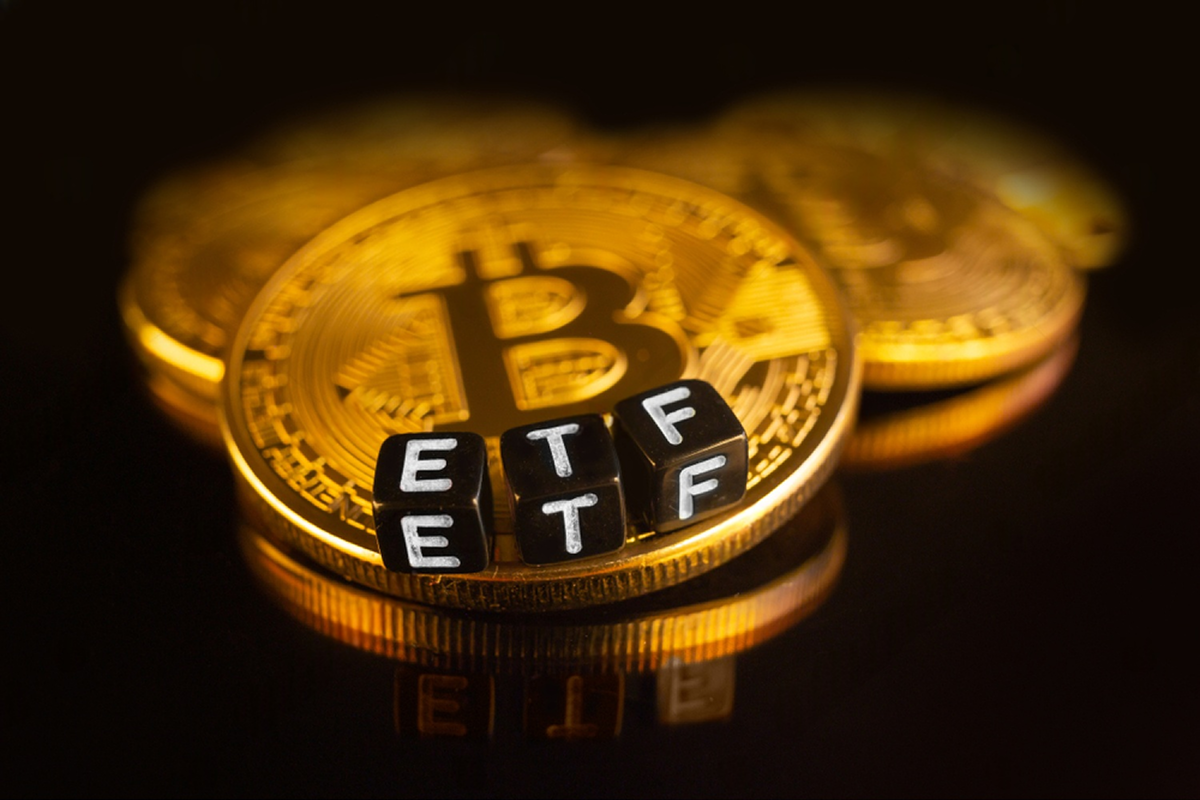
The expansion of spot Bitcoin ETFs has created a more familiar route for investors to access digital assets through traditional brokerage accounts. The iShares Bitcoin Trust ETF (IBIT), managed by BlackRock, links Bitcoin exposure to the infrastructure of public markets, but its accessibility does not eliminate the cryptocurrency’s volatility or the risks associated with a concentrated exposure to a single digital asset.
A Traditional Market Structure for Bitcoin Exposure
IBIT is designed to reflect the price of Bitcoin, less fund expenses and liabilities. Rather than buying and securing Bitcoin independently, investors can purchase shares through a brokerage account, subject to the availability of the product on their platform. The structure removes some operational hurdles associated with private wallets, exchange accounts and direct custody, while placing the investment within a regulated exchange-traded framework.
The distinction is important: IBIT shares represent an interest in the trust, not direct ownership of Bitcoin held in a personal wallet. Investors therefore remain exposed to Bitcoin’s market price, while also relying on the trust’s custody arrangements, operational processes and trading infrastructure. The ETF format may simplify access, but it does not turn Bitcoin into a conventional low-volatility asset.
Scale, Trading and Performance
As of September 30, 2026, IBIT reported approximately $67.06 billion in net assets. Its net asset value stood at $47.39, while its closing market price was $47.34. Trading volume reached approximately 36.07 million shares, and the reported 30-day median bid-ask spread was 0.02%, indicating relatively tight trading spreads over that measurement period. The fund’s sponsor fee is 0.25%.
These figures offer a snapshot of the fund’s scale and trading conditions, but they do not establish the direction of future returns. As of September 29, 2026, IBIT’s year-to-date total return was -4.48%, illustrating that substantial assets and active trading can coexist with periods of negative performance. Its market price can also differ slightly from net asset value during trading, although market makers and authorized participants help support the ETF’s pricing mechanism.
Macro Conditions and the Risks Ahead
Bitcoin increasingly trades within a broader financial environment shaped by interest-rate expectations, dollar movements, liquidity conditions and investor appetite for risk. Changes in expectations for Federal Reserve policy can affect demand for speculative assets, while regulatory developments and institutional allocation decisions may influence flows into spot Bitcoin products. These forces can reinforce or offset crypto-specific developments, including changes in network activity and market sentiment.
For Israeli investors, currency exposure is another consideration. IBIT is traded in U.S. dollars, so returns measured in shekels can differ from the fund’s dollar performance as the USD/ILS exchange rate changes. Investors also need to account for Bitcoin’s sharp price swings and the possibility that market stress could reduce liquidity or widen trading spreads.
Going forward, IBIT’s trajectory will depend on Bitcoin’s price, fund inflows and outflows, regulatory decisions and the wider macroeconomic backdrop. Monitoring assets under management alongside trading liquidity and Bitcoin volatility can help distinguish sustained demand from short-term market momentum. The ETF offers a bridge between digital assets and traditional finance, but its performance remains closely tied to the risks of the underlying cryptocurrency.
Comparison, examination, and analysis between investment houses
Leave your details, and an expert from our team will get back to you as soon as possible
* This article, in whole or in part, does not contain any promise of investment returns, nor does it constitute professional advice to make investments in any particular field.
To read more about the full disclaimer, click here
- sagi habasov
- •
- 7 Min Read
- •
- ago 1 day
SKN | Oil Price Exposure Without Futures Trading: How the United States Oil Fund Works
The oil market sits at the intersection of geopolitics, economic growth and inflation, making crude prices an important variable for
- ago 1 day
- •
- 7 Min Read

The oil market sits at the intersection of geopolitics, economic growth and inflation, making crude prices an important variable for

- omer bar
- •
- 6 Min Read
- •
- ago 2 days
SKN | U.S. Market Leadership and Concentration Risk: What Shapes the Vanguard S&P 500 ETF?
The S&P 500 remains a central benchmark for global equity investors, reflecting the performance of large U.S. companies and shaping
- ago 2 days
- •
- 6 Min Read

The S&P 500 remains a central benchmark for global equity investors, reflecting the performance of large U.S. companies and shaping

- Arik Arkadi Sluzki
- •
- 7 Min Read
- •
- ago 3 days
SKN | Gold Prices Surge While ETF Holdings Decline: Is the Rally Losing Investor Support?
Gold markets are showing a notable divergence: the spot price has risen sharply, while total known gold ETF holdings
- ago 3 days
- •
- 7 Min Read

Gold markets are showing a notable divergence: the spot price has risen sharply, while total known gold ETF holdings

- Lior mor
- •
- 8 Min Read
- •
- ago 3 days
SKN | European Gold ETF Demand Surges by 125 Tonnes as Investors Reassess Gold Exposure
European investors are increasing their exposure to gold through exchange-traded funds, with reported year-to-date flows from the United Kingdom,
- ago 3 days
- •
- 8 Min Read

European investors are increasing their exposure to gold through exchange-traded funds, with reported year-to-date flows from the United Kingdom,
