





- omer bar
- •
- 6 Min Read
- •
- 28 seconds ago


Key Points
- Vanguard S&P 500 ETF (VOO) tracks the S&P 500, providing exposure to approximately 500 leading U.S. companies across major sectors.
- Its low-cost structure and broad market coverage have made it a major vehicle for accessing U.S. equities, although performance remains heavily influenced by the largest companies.
- Interest rates, corporate earnings, artificial intelligence investment and the weight of mega-cap technology stocks remain important drivers of future returns.
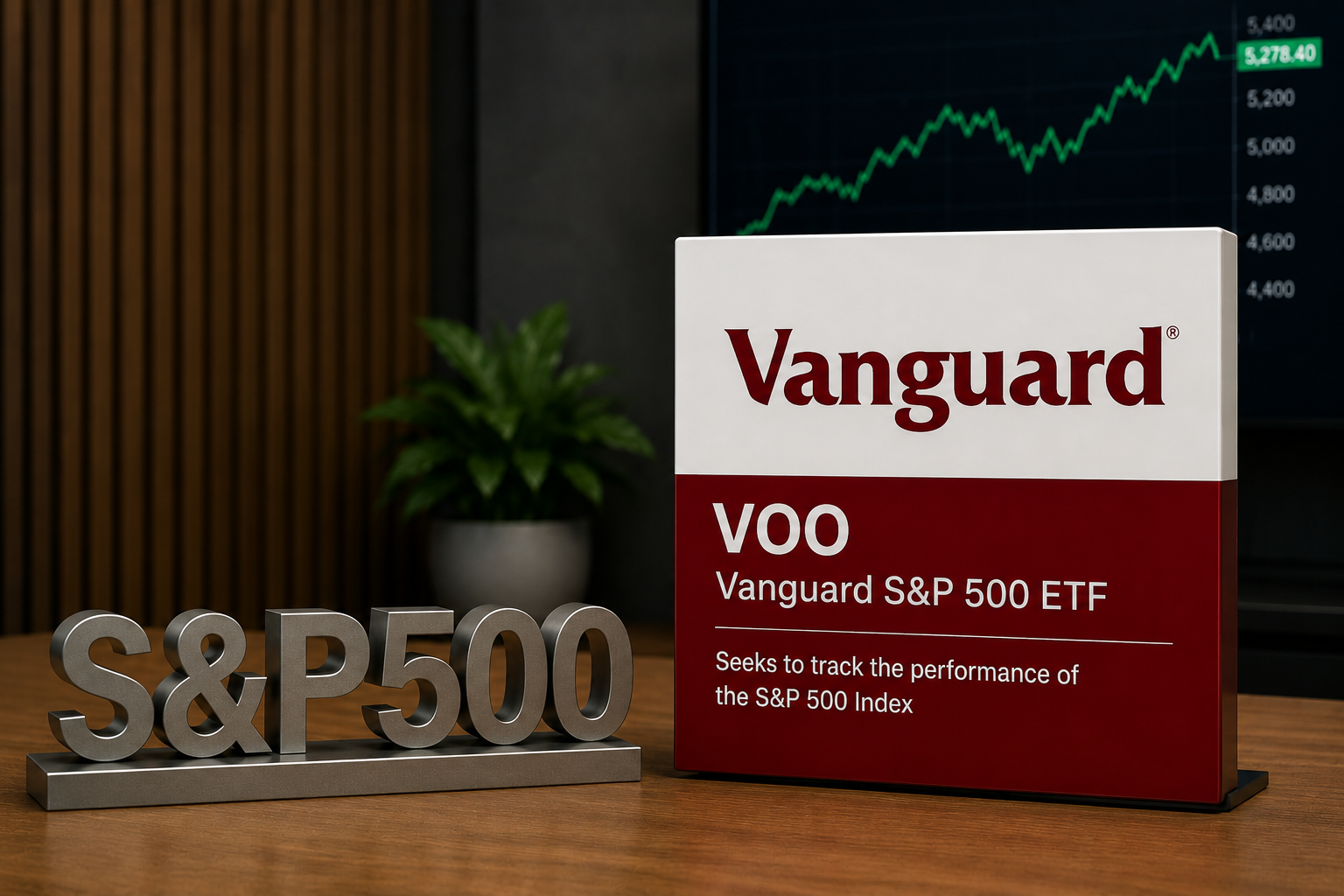
The S&P 500 remains a central benchmark for global equity investors, reflecting the performance of large U.S. companies and shaping portfolio decisions far beyond Wall Street. The Vanguard S&P 500 ETF (VOO) offers exchange-traded exposure to that benchmark, but its broad company count does not eliminate concentration risk as a relatively small group of technology and growth companies accounts for a substantial share of the index.
A Low-Cost Structure With Broad U.S. Equity Exposure
VOO seeks to track the S&P 500 Index, which measures the performance of large-capitalization U.S. companies across major industries. The ETF uses a passive, full-replication strategy and trades on NYSE Arca. Its expense ratio is 0.03%, a low annual cost that helps limit the drag of fund expenses on long-term returns, although brokerage charges and other transaction costs may still apply.
As of August 31, 2026, VOO held approximately $1.05 trillion in net assets, while its one-year NAV return stood at 20.34%. Its NAV return since the start of 2026 was 11.72% as of September 15. These figures reflect a strong period for U.S. equities, but historical performance does not establish what the fund will deliver in the future. As a market-capitalization-weighted ETF, VOO assigns greater weight to companies with larger market values, allowing the biggest constituents to exert disproportionate influence over its returns.
Technology Concentration Shapes the Market Outlook
The S&P 500 included 503 constituents as of August 31, 2026, but its exposure was far from evenly distributed. The 10 largest constituents represented 37.8% of the index, with Nvidia, Apple and Microsoft among the leading holdings. This concentration has made the benchmark particularly sensitive to developments in AI investment, semiconductor demand and the earnings outlook for major technology companies.
AI-related capital spending has helped support corporate earnings and market valuations, but concentration also creates a potential vulnerability. If expectations for AI revenue growth weaken, or companies fail to generate sufficient returns on infrastructure spending, the largest index constituents could come under pressure and weigh on VOO even if other sectors perform better. Rising Treasury yields and changes in Federal Reserve policy also matter because they influence borrowing costs, equity valuations and the relative appeal of bonds.
Looking ahead, investors will monitor quarterly earnings, AI infrastructure spending, inflation data, Treasury yields and the Federal Reserve’s policy outlook. Israeli investors should also account for movements in the dollar-shekel exchange rate, since VOO is denominated in dollars and currency changes can affect returns measured in shekels. The ETF offers diversified exposure across major U.S. companies, but its results remain tied to equity-market risk, the influence of mega-cap stocks and the broader economic conditions shaping corporate profits.
Comparison, examination, and analysis between investment houses
Leave your details, and an expert from our team will get back to you as soon as possible
* This article, in whole or in part, does not contain any promise of investment returns, nor does it constitute professional advice to make investments in any particular field.
To read more about the full disclaimer, click here
- Arik Arkadi Sluzki
- •
- 7 Min Read
- •
- ago 19 hours
SKN | Gold Prices Surge While ETF Holdings Decline: Is the Rally Losing Investor Support?
Gold markets are showing a notable divergence: the spot price has risen sharply, while total known gold ETF holdings
- ago 19 hours
- •
- 7 Min Read

Gold markets are showing a notable divergence: the spot price has risen sharply, while total known gold ETF holdings

- Lior mor
- •
- 8 Min Read
- •
- ago 19 hours
SKN | European Gold ETF Demand Surges by 125 Tonnes as Investors Reassess Gold Exposure
European investors are increasing their exposure to gold through exchange-traded funds, with reported year-to-date flows from the United Kingdom,
- ago 19 hours
- •
- 8 Min Read

European investors are increasing their exposure to gold through exchange-traded funds, with reported year-to-date flows from the United Kingdom,

- omer bar
- •
- 6 Min Read
- •
- ago 3 days
SKN | Semiconductor Rally and Leverage: What Drives SOXL’s Performance?
Semiconductor stocks remain closely tied to global investment in artificial intelligence, data centers and advanced computing, but the sector’s rapid
- ago 3 days
- •
- 6 Min Read

Semiconductor stocks remain closely tied to global investment in artificial intelligence, data centers and advanced computing, but the sector’s rapid

- Ronny Mor
- •
- 6 Min Read
- •
- ago 4 days
SKN | Natural Gas Under Pressure: What Does BOIL Mean for Leveraged Exposure?
The U.S. natural gas market is entering the heating season with inventories above the five-year average, while domestic production remains
- ago 4 days
- •
- 6 Min Read

The U.S. natural gas market is entering the heating season with inventories above the five-year average, while domestic production remains

