




- Arik Arkadi Sluzki
- •
- 7 Min Read
- •
- 1 minute ago


Key Points
- Gold prices have climbed sharply toward $5,300–$5,400 per ounce in the attached chart, while total known gold ETF holdings have declined toward approximately 97 million ounces.
- The divergence between rising prices and falling ETF holdings suggests that gold's rally is not being matched by a comparable increase in ETF-held metal.
- Investors will be watching ETF flows, central-bank purchases, real interest rates and the U.S. dollar to assess whether the rally can continue to broaden.
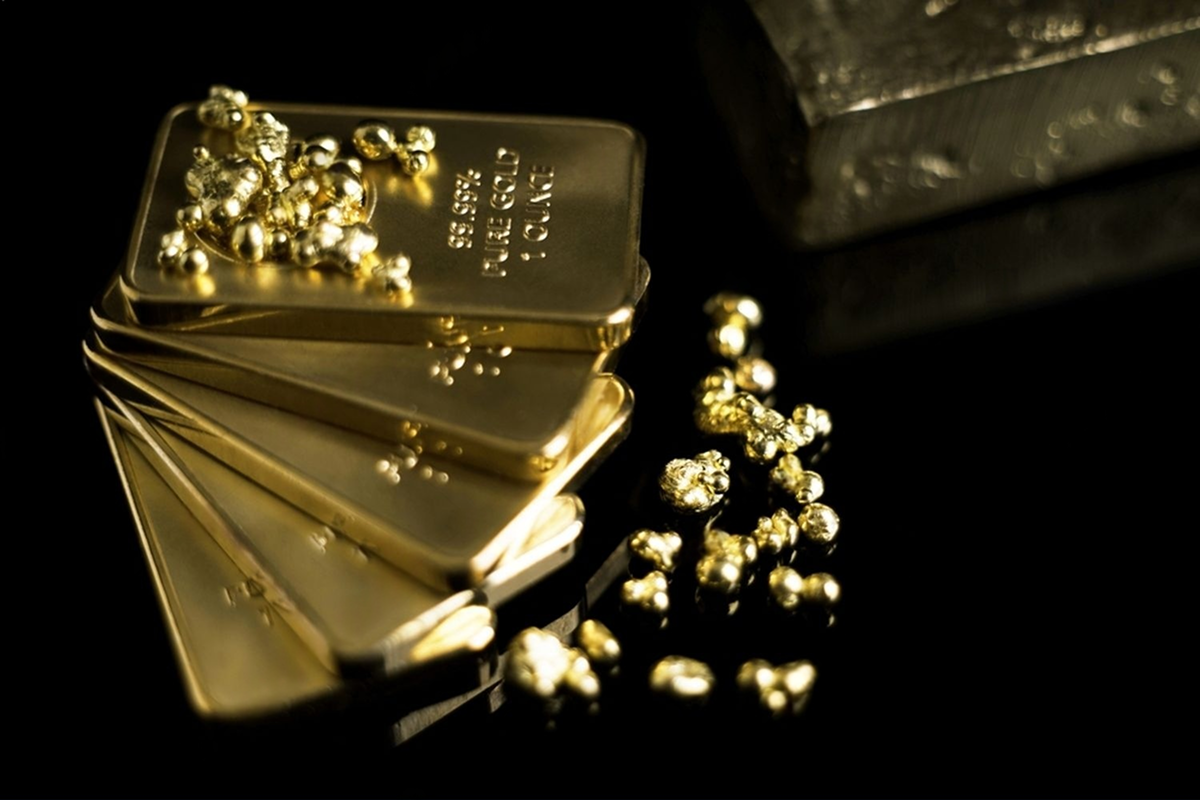
Gold markets are showing a notable divergence: the spot price has risen sharply, while total known gold ETF holdings have moved lower in the period highlighted by the attached chart. This contrast raises questions about the sources of the rally and whether investor demand through exchange-traded funds is reinforcing or lagging the price movement.
Gold Prices Rise Despite Lower ETF Holdings
The chart tracks two measures: total known gold ETF holdings and the spot gold price. In the most recent period shown, the gold price rises toward the $5,300–$5,400 range, while ETF holdings fall toward approximately 97 million ounces. These are approximate readings from the image, rather than independently verified closing figures.
The divergence matters because physically backed gold ETFs typically hold bullion to support their shares. When investors add money to such funds, holdings can increase as additional gold is acquired; when investors withdraw, holdings may decline as metal is sold. However, ETF holdings represent only one component of the global gold market and do not capture every source of investment demand.
What Could Explain the Divergence?
Gold prices can rise even when ETF holdings decline because the market responds to several forces simultaneously. Central-bank purchases, over-the-counter transactions, futures positioning, physical demand and changes in expectations for interest rates can all influence prices. Consequently, the chart alone cannot establish which factor has driven the latest increase.
Central-bank demand is particularly relevant because official-sector purchases can support gold independently of short-term ETF flows. Geopolitical uncertainty, reserve diversification and concerns about currency or sovereign-debt risks may also influence demand. At the same time, shifts in futures positioning or reduced selling pressure can contribute to price gains without a corresponding increase in ETF holdings.
The distinction is important for interpreting market sentiment. Falling ETF holdings may indicate that some fund investors are taking profits or reducing exposure, but they do not necessarily mean that overall gold demand is weakening. A broader assessment requires data on central-bank purchases, physical consumption, futures positioning and investment flows across regions.
What Investors Should Monitor Next
The sustainability of the rally will depend on whether the forces supporting gold prices remain in place. Changes in real interest rates and the U.S. dollar are important because they affect the opportunity cost of holding a non-yielding asset. Geopolitical developments and demand for reserve diversification may provide additional support, while rising bond yields or a stronger dollar could create pressure.
ETF flows will offer another useful signal. If gold prices remain elevated and holdings begin to rise, that would suggest broader participation from fund investors. If prices continue advancing while holdings fall, analysts will need to examine whether central-bank purchases, futures activity or other demand sources are compensating for the reduction in ETF-held bullion.
For global investors, including those in Israel, the key issue is whether the current price strength is supported by a broadening base of demand or remains dependent on a narrower set of market drivers. The next set of gold ETF flow reports, official reserve disclosures and movements in interest rates and currency markets should help clarify the picture. Until those indicators are available, the divergence is best viewed as a signal to investigate the composition of demand rather than proof that the rally is about to reverse.
Comparison, examination, and analysis between investment houses
Leave your details, and an expert from our team will get back to you as soon as possible
* This article, in whole or in part, does not contain any promise of investment returns, nor does it constitute professional advice to make investments in any particular field.
To read more about the full disclaimer, click here
- Lior mor
- •
- 8 Min Read
- •
- ago 1 minute
SKN | European Gold ETF Demand Surges by 125 Tonnes as Investors Reassess Gold Exposure
European investors are increasing their exposure to gold through exchange-traded funds, with reported year-to-date flows from the United Kingdom,
- ago 1 minute
- •
- 8 Min Read

European investors are increasing their exposure to gold through exchange-traded funds, with reported year-to-date flows from the United Kingdom,

- Ronny Mor
- •
- 9 Min Read
- •
- ago 31 minutes
SKN | China Extends Gold-Buying Streak to 23 Months as Central Bank Demand Reshapes Global Reserves
China is continuing to expand its official gold reserves as central banks reassess how they allocate assets amid geopolitical
- ago 31 minutes
- •
- 9 Min Read

China is continuing to expand its official gold reserves as central banks reassess how they allocate assets amid geopolitical
- Ronny Mor
- •
- 7 Min Read
- •
- ago 2 days
SKN | Trump Says Russia Will Supply Diesel to U.S. and Global Markets as Fuel Prices Rise
President Donald Trump said Friday that Russia had agreed to immediately supply diesel to the United States and global
- ago 2 days
- •
- 7 Min Read

President Donald Trump said Friday that Russia had agreed to immediately supply diesel to the United States and global

- omer bar
- •
- 6 Min Read
- •
- ago 2 days
SKN | Semiconductor Rally and Leverage: What Drives SOXL’s Performance?
Semiconductor stocks remain closely tied to global investment in artificial intelligence, data centers and advanced computing, but the sector’s rapid
- ago 2 days
- •
- 6 Min Read

Semiconductor stocks remain closely tied to global investment in artificial intelligence, data centers and advanced computing, but the sector’s rapid
