




- sagi habasov
- •
- 7 Min Read
- •
- 9 seconds ago


Key Points
- The United States Oil Fund (USO) provides exchange-traded exposure to changes in near-month West Texas Intermediate (WTI) crude oil futures, rather than direct ownership of physical oil.
- Its performance depends on crude oil prices, futures-market structure and the cost of rolling contracts, meaning returns can diverge from changes in spot oil prices over time.
- Geopolitical developments, OPEC+ production decisions, global demand and U.S. inventory data remain key drivers of the fund’s outlook.

The oil market sits at the intersection of geopolitics, economic growth and inflation, making crude prices an important variable for investors assessing global markets. The United States Oil Fund, LP (USO) offers a way to gain exchange-traded exposure to WTI crude oil prices, but its futures-based structure means its returns are shaped by more than the daily price of oil itself.
A Futures-Based Route to Crude Oil Exposure
USO is designed to reflect daily changes in the price of WTI crude oil futures, primarily through the nearest-month contract, subject to its investment strategy and portfolio management decisions. The fund does not operate like an oil producer, nor does it hold barrels of crude oil for investors. Instead, it uses futures contracts and, when necessary, other permitted oil-related instruments to pursue its objective.
This structure allows investors to trade exposure through a listed fund without opening a futures account directly. However, the market price of USO can also be affected by trading activity, liquidity and the difference between its share price and net asset value. Investors therefore need to distinguish between exposure to oil futures and ownership of the underlying commodity.
Why Futures Curves Can Change Returns
One of the most important factors affecting USO is the shape of the futures curve. When longer-dated futures trade above near-term contracts, a market condition known as contango, the fund may need to sell expiring contracts and buy more expensive later-dated ones. Repeating that process can create a negative roll effect, potentially weighing on returns even when spot crude prices remain relatively stable.
The opposite condition, backwardation, occurs when near-term contracts trade above later-dated futures. In that environment, rolling positions may benefit performance. These effects can accumulate over time, so USO’s longer-term results may differ materially from the percentage change in benchmark spot oil prices. The extent of that difference depends on market conditions, the fund’s contract positions and its expenses.
Geopolitics, Supply and Demand Set the Market Backdrop
Crude oil prices respond to a combination of supply disruptions, production policy and demand expectations. Decisions by OPEC+, changes in U.S. output and inventory levels, and developments affecting major shipping routes can quickly alter the balance between expected supply and consumption. At the same time, slower industrial activity or weaker demand from major economies can put downward pressure on prices.
For global investors, oil also has implications beyond the energy sector. A sustained price increase can raise transport and production costs, complicate inflation trends and influence expectations for central-bank policy. Lower prices may ease some cost pressures but can weigh on energy-company revenues and investment. These broader effects can influence equity markets, bond yields and currency movements, including the shekel’s performance against the U.S. dollar.
USO’s outlook will depend on both the direction of crude oil prices and the structure of the futures market. Investors and analysts will be watching OPEC+ decisions, U.S. inventory reports, global demand indicators and geopolitical risks, alongside whether contango or backwardation is strengthening. Because futures exposure can introduce tracking differences and additional risks, the fund’s performance should be assessed against its actual strategy rather than spot oil prices alone.
Comparison, examination, and analysis between investment houses
Leave your details, and an expert from our team will get back to you as soon as possible
* This article, in whole or in part, does not contain any promise of investment returns, nor does it constitute professional advice to make investments in any particular field.
To read more about the full disclaimer, click here
- omer bar
- •
- 6 Min Read
- •
- ago 24 hours
SKN | U.S. Market Leadership and Concentration Risk: What Shapes the Vanguard S&P 500 ETF?
The S&P 500 remains a central benchmark for global equity investors, reflecting the performance of large U.S. companies and shaping
- ago 24 hours
- •
- 6 Min Read
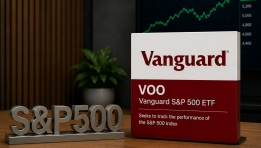
The S&P 500 remains a central benchmark for global equity investors, reflecting the performance of large U.S. companies and shaping

- Arik Arkadi Sluzki
- •
- 7 Min Read
- •
- ago 2 days
SKN | Gold Prices Surge While ETF Holdings Decline: Is the Rally Losing Investor Support?
Gold markets are showing a notable divergence: the spot price has risen sharply, while total known gold ETF holdings
- ago 2 days
- •
- 7 Min Read

Gold markets are showing a notable divergence: the spot price has risen sharply, while total known gold ETF holdings

- Lior mor
- •
- 8 Min Read
- •
- ago 2 days
SKN | European Gold ETF Demand Surges by 125 Tonnes as Investors Reassess Gold Exposure
European investors are increasing their exposure to gold through exchange-traded funds, with reported year-to-date flows from the United Kingdom,
- ago 2 days
- •
- 8 Min Read

European investors are increasing their exposure to gold through exchange-traded funds, with reported year-to-date flows from the United Kingdom,
- omer bar
- •
- 6 Min Read
- •
- ago 4 days
SKN | Semiconductor Rally and Leverage: What Drives SOXL’s Performance?
Semiconductor stocks remain closely tied to global investment in artificial intelligence, data centers and advanced computing, but the sector’s rapid
- ago 4 days
- •
- 6 Min Read

Semiconductor stocks remain closely tied to global investment in artificial intelligence, data centers and advanced computing, but the sector’s rapid
