





- Lior mor
- •
- 7 Min Read
- •
- 5 minutes ago


Key Points
- Petrobras approved participation in Brazil’s new diesel subsidy program, providing 1.00 real per liter for an initial 30 days.
- The new subsidy is cumulative with an existing 1.12-real-per-liter subsidy, while Petrobras has kept distributor prices unchanged through an offsetting price adjustment.
- Brazil’s expanding fuel-relief measures highlight the growing tension between consumer price stability, Petrobras’ commercial position and fiscal costs as global energy prices remain elevated.

Brazil’s state-run oil company Petrobras has approved participation in a new government diesel subsidy program, extending the country’s efforts to cushion domestic fuel prices from elevated international energy costs. The decision comes as geopolitical disruptions continue to affect global oil and refined-product markets, increasing the gap between Brazilian domestic prices and international benchmarks.
Petrobras Uses Subsidy to Preserve Distributor Pricing
The new program provides 1.00 real per liter of diesel for an initial 30 days, with the possibility of another 30-day extension. The benefit is cumulative with an existing subsidy of approximately 1.12 reais per liter, creating a substantial government-supported buffer for diesel producers and importers participating in the program. Brazil’s oil regulator, ANP, reimburses eligible companies after the subsidy is reflected in sales invoices.
For Petrobras, the structure has allowed the company to adjust its commercial pricing without immediately increasing the amount paid by distributors. Earlier this week, Petrobras announced an average 1-real-per-liter diesel price increase while simultaneously applying a discount of the same amount. The result was no change in distributor prices, while Petrobras could benefit from the government subsidy. The company said participation was compatible with maintaining flexibility in its commercial strategy.
Global Diesel Prices Create a Margin Challenge
The policy is taking place against a difficult international backdrop. Reuters reported that Petrobras’ diesel prices were recently 3.89 reais per liter below import costs, the largest recorded gap, as international diesel prices rose sharply amid geopolitical tensions and restrictions affecting global fuel supply. Brazil produces roughly three-quarters of its diesel consumption domestically but still depends on imports for about one-quarter, leaving domestic pricing increasingly exposed to international market conditions.
The pricing gap matters for Petrobras because selling domestically below international replacement costs can pressure margins when additional fuel must be imported. Brazilian refineries were already operating close to capacity, limiting the ability to respond simply by increasing domestic production. The subsidy therefore provides a mechanism to reduce some of the financial pressure without transferring the full increase in global fuel costs to distributors and, ultimately, consumers.
Subsidies Increase the Fiscal and Political Stakes
Petrobras also disclosed that it had received 448 million reais in payments from a gasoline subsidy program covering sales between July 16 and July 31. The company said accumulated subsidies across diesel, gasoline and liquefied petroleum gas programs had reached 9.9 billion reais, illustrating the growing financial scale of Brazil’s fuel-price intervention.
The broader government program has expanded substantially as oil prices have risen. Reuters reported that Brazil’s fuel-relief measures were expected to bring the fiscal cost to approximately 40 billion reais between March and the end of September, while officials argued that higher oil-related tax revenues and royalties would help offset the additional expenditure.
What to Watch as the Subsidy Window Develops
The next stage will depend on international diesel prices, the duration of geopolitical disruptions and the government’s willingness to extend the subsidy beyond its initial 30-day period. For Petrobras, the key variables are the pace of subsidy reimbursements, domestic pricing policy and the effect of international fuel costs on refining and import economics. The experience also highlights the broader challenge facing Brazil: maintaining consumer price stability while limiting the distortion that prolonged subsidies can create across energy markets and public finances.
Comparison, examination, and analysis between investment houses
Leave your details, and an expert from our team will get back to you as soon as possible
* This article, in whole or in part, does not contain any promise of investment returns, nor does it constitute professional advice to make investments in any particular field.
To read more about the full disclaimer, click here
- Arik Arkadi Sluzki
- •
- 7 Min Read
- •
- ago 5 minutes
SKN | Nvidia CEO Jensen Huang Rejects Calls to Slow AI Development: Can Speed and Safety Advance Together?
Nvidia CEO Jensen Huang has pushed back against calls for the artificial intelligence industry to slow the pace of
- ago 5 minutes
- •
- 7 Min Read

Nvidia CEO Jensen Huang has pushed back against calls for the artificial intelligence industry to slow the pace of

- omer bar
- •
- 7 Min Read
- •
- ago 5 minutes
SKN | Bessent and China’s He Lifeng Set for New York Talks Ahead of Trump-Xi Summit
US Treasury Secretary Scott Bessent and Chinese Vice Premier He Lifeng are scheduled to meet in New York on
- ago 5 minutes
- •
- 7 Min Read

US Treasury Secretary Scott Bessent and Chinese Vice Premier He Lifeng are scheduled to meet in New York on

- sagi habasov
- •
- 6 Min Read
- •
- ago 5 minutes
SKN | OpenAI’s $856 Billion AI Infrastructure Plan Raises Questions Over Cash Flow and Long-Term Growth
OpenAI’s aggressive expansion strategy is placing artificial intelligence infrastructure spending at the center of the company’s long-term financial outlook.
- ago 5 minutes
- •
- 6 Min Read

OpenAI’s aggressive expansion strategy is placing artificial intelligence infrastructure spending at the center of the company’s long-term financial outlook.

- orshu
- •
- 6 Min Read
- •
- ago 3 hours
SKN | KOSPI Composite Index (^KS11) Rallies 2.66% Daily to 6,894.23 as 3.14% Weekly Gain Holds Above 6,830 Low
The KOSPI Composite Index (^KS11) finished the trading session on September 18, 2026, sharply higher, advancing 2.66% (178.82 points)
- ago 3 hours
- •
- 6 Min Read
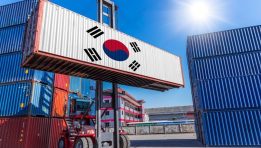
The KOSPI Composite Index (^KS11) finished the trading session on September 18, 2026, sharply higher, advancing 2.66% (178.82 points)

