





- sagi habasov
- •
- 6 Min Read
- •
- 5 minutes ago


Key Points
- OpenAI is projected to generate significant revenue growth while facing deeply negative free cash flow as it expands AI infrastructure spending.
- The company reportedly expects revenue to increase from approximately $36 billion in 2026 to $350 billion by 2030, according to projections cited by the Financial Times.
- Massive investments in computing capacity highlight the broader challenge facing AI companies: balancing rapid expansion with sustainable financial models.

OpenAI’s aggressive expansion strategy is placing artificial intelligence infrastructure spending at the center of the company’s long-term financial outlook. According to projections cited by the Financial Times, the AI company could record approximately $278 billion in negative free cash flow through 2030 while investing heavily in computing capacity, data centers and technology infrastructure.
The projections highlight a broader trend across the AI industry, where companies are committing unprecedented amounts of capital to secure the computing resources required to develop and operate increasingly advanced models.
AI Growth Strategy Requires Unprecedented Infrastructure Investment
OpenAI reportedly expects its revenue to grow from approximately $36 billion in 2026 to $350 billion by 2030, representing a major expansion in commercial adoption of artificial intelligence services. However, achieving this growth requires significant investment in infrastructure, with projected spending of approximately $856 billion on computing and related capabilities through the end of the decade.
The scale of investment reflects the capital-intensive nature of modern AI development. Unlike traditional software businesses, advanced AI systems require substantial ongoing spending on specialized chips, cloud infrastructure, energy capacity and data center operations.
Negative Cash Flow Highlights the Cost of Competing in Artificial Intelligence
The projected negative free cash flow underscores the financial challenges faced by leading AI companies. Building large-scale AI systems requires substantial upfront spending before long-term commercial returns are fully realized. This dynamic has created a race among technology companies to expand infrastructure capacity while improving operational efficiency.
OpenAI has also raised significant capital to support its expansion plans, with the company reportedly securing a large funding round as investors continue to assess the future commercial potential of artificial intelligence. The ability to convert AI demand into sustainable revenue streams remains a key focus for the industry.
AI Market Watches Monetization, Competition and Infrastructure Costs
The next phase of the AI market will likely depend on how quickly businesses adopt AI solutions and whether companies can improve the economics of running advanced models. Rising competition from major technology firms developing their own AI platforms may also influence pricing, margins and market structure.
For global investors, including those monitoring technology trends from Israel and other innovation-focused markets, OpenAI’s financial projections represent a broader question facing the AI sector: how much capital is required to build the next generation of computing infrastructure, and when those investments translate into measurable economic returns.
Going forward, investors and industry participants will continue monitoring AI infrastructure spending, revenue growth, capital requirements and commercialization trends. The balance between rapid expansion and financial sustainability will remain a central issue shaping the future of the artificial intelligence industry.
Comparison, examination, and analysis between investment houses
Leave your details, and an expert from our team will get back to you as soon as possible
* This article, in whole or in part, does not contain any promise of investment returns, nor does it constitute professional advice to make investments in any particular field.
To read more about the full disclaimer, click here
- Arik Arkadi Sluzki
- •
- 7 Min Read
- •
- ago 5 minutes
SKN | Nvidia CEO Jensen Huang Rejects Calls to Slow AI Development: Can Speed and Safety Advance Together?
Nvidia CEO Jensen Huang has pushed back against calls for the artificial intelligence industry to slow the pace of
- ago 5 minutes
- •
- 7 Min Read
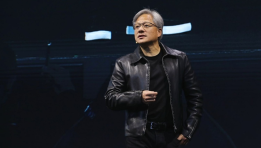
Nvidia CEO Jensen Huang has pushed back against calls for the artificial intelligence industry to slow the pace of

- Lior mor
- •
- 7 Min Read
- •
- ago 5 minutes
SKN | Petrobras Joins Brazil’s Diesel Subsidy Program as Global Fuel Costs Pressure Domestic Prices
Brazil’s state-run oil company Petrobras has approved participation in a new government diesel subsidy program, extending the country’s efforts
- ago 5 minutes
- •
- 7 Min Read
Brazil’s state-run oil company Petrobras has approved participation in a new government diesel subsidy program, extending the country’s efforts

- omer bar
- •
- 7 Min Read
- •
- ago 5 minutes
SKN | Bessent and China’s He Lifeng Set for New York Talks Ahead of Trump-Xi Summit
US Treasury Secretary Scott Bessent and Chinese Vice Premier He Lifeng are scheduled to meet in New York on
- ago 5 minutes
- •
- 7 Min Read

US Treasury Secretary Scott Bessent and Chinese Vice Premier He Lifeng are scheduled to meet in New York on

- orshu
- •
- 6 Min Read
- •
- ago 3 hours
SKN | KOSPI Composite Index (^KS11) Rallies 2.66% Daily to 6,894.23 as 3.14% Weekly Gain Holds Above 6,830 Low
The KOSPI Composite Index (^KS11) finished the trading session on September 18, 2026, sharply higher, advancing 2.66% (178.82 points)
- ago 3 hours
- •
- 6 Min Read

The KOSPI Composite Index (^KS11) finished the trading session on September 18, 2026, sharply higher, advancing 2.66% (178.82 points)

