




- Lior mor
- •
- 8 Min Read
- •
- 20 seconds ago


Key Points
- Brent crude fell 0.45% to $109.06 a barrel on October 20, while the December WTI contract declined 0.47% to $98.08.
- President Donald Trump’s decision to waive certain Russia-related sanctions and tariffs has raised expectations that Russian energy exports could face fewer restrictions.
- Reported attacks targeting Saudi Arabia and continued instability around the Middle East are limiting the prospect of a sustained decline in oil prices.
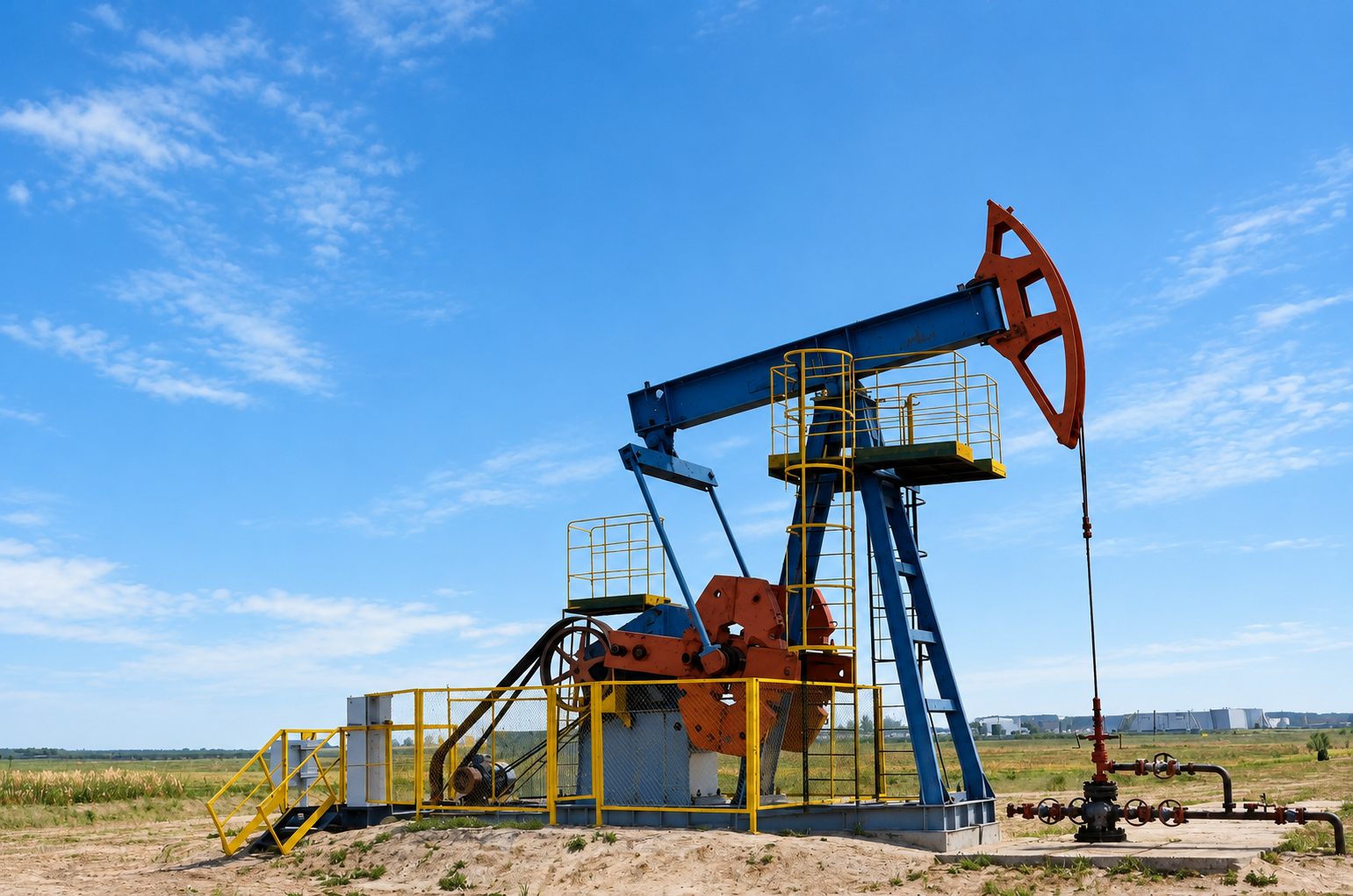
Oil prices edged lower on Tuesday as traders assessed whether the easing of certain US restrictions on Russian energy could improve global supply, while geopolitical tensions continued to threaten shipments from the Middle East. The pullback followed a sharp rally that had pushed Brent crude to $110.70 a barrel in the previous session, its highest level since May 20, highlighting the competing forces shaping the energy market.
Russian Energy Policy Puts Supply Expectations Back in Focus
Brent crude futures fell 49 cents, or 0.45%, to $109.06 a barrel by 0010 GMT on October 20. US West Texas Intermediate (WTI) futures for November delivery, which were due to expire on Tuesday, declined 0.33% to $103.32. The more actively traded December WTI contract dropped 46 cents, or 0.47%, to $98.08.
The market reaction followed an executive order signed by US President Donald Trump on October 16 that waived certain sanctions, restrictions and tariffs associated with Russia. The move could reduce some barriers affecting Russian energy trade and potentially support additional supplies to international markets.
However, the implications for actual oil availability remain uncertain. A policy change does not automatically translate into higher export volumes, as shipping arrangements, buyer demand, payment mechanisms and existing restrictions can all influence how much Russian crude and refined products reach consumers. Traders are therefore weighing the potential supply benefit against the time and practical constraints involved in expanding exports.
Middle East Tensions Keep a Risk Premium in Oil Prices
Geopolitical developments remain a significant counterweight to expectations of greater Russian supply. Yemen’s Iran-aligned Houthi movement has claimed attacks against Saudi energy and military targets, including an Aramco facility and major airports. Saudi officials had not confirmed the reported strikes at the time of the market update, leaving uncertainty over the extent of any damage or disruption.
The broader concern is the vulnerability of energy infrastructure and maritime routes across the Gulf region. Any escalation that interrupts production, damages export facilities or restricts tanker movements could tighten the global market and push prices higher, even if Russian exports become easier to access.
This leaves oil particularly sensitive to developments that affect the physical movement of crude, rather than policy announcements alone. The possibility of supply interruptions can sustain a geopolitical risk premium, limiting the downward pressure created by expectations of additional barrels.
Demand, Inventories and the Global Economic Outlook
Supply concerns are unfolding alongside a challenging demand outlook. The International Energy Agency’s October oil market assessment projected that global oil demand would decline by an average of 2.6 million barrels per day in 2026, reflecting the effects of the Iran war, restricted product availability, elevated fuel prices and a deteriorating economic outlook. The agency also reported that global oil supply rose to 102.3 million barrels per day in September.
These figures illustrate why the market remains difficult to assess. Higher supply can ease price pressure, but disruptions to established trade routes may prevent additional production from translating into reliably available fuel. Meanwhile, sustained high energy costs can weigh on household spending, increase business expenses and complicate efforts by central banks to bring inflation under control.
For Israel, movements in international crude prices are particularly relevant to imported energy costs, transportation expenses and inflation pressures, although the final domestic impact also depends on exchange rates, refining and distribution costs, and local taxation.
What Oil Traders Will Watch Next
The next phase of trading will depend on whether the US policy shift produces a measurable increase in Russian energy flows and whether tensions in the Middle East escalate or ease. Traders will also monitor inventory data, demand indicators and developments affecting shipping through key export routes. Until clearer evidence emerges, oil prices are likely to remain sensitive to competing supply signals, with the potential for further volatility in both directions.
Comparison, examination, and analysis between investment houses
Leave your details, and an expert from our team will get back to you as soon as possible
* This article, in whole or in part, does not contain any promise of investment returns, nor does it constitute professional advice to make investments in any particular field.
To read more about the full disclaimer, click here
- Ronny Mor
- •
- 7 Min Read
- •
- ago 9 minutes
SKN | Gold prices decline as investors reassess the Federal Reserve’s interest rate outlook ahead of its October policy meeting
Gold prices edged lower in early Asian trading on October 20 as investors reassessed the Federal Reserve’s monetary policy outlook
- ago 9 minutes
- •
- 7 Min Read

Gold prices edged lower in early Asian trading on October 20 as investors reassessed the Federal Reserve’s monetary policy outlook

- omer bar
- •
- 6 Min Read
- •
- ago 1 day
SKN | Gold prices rose as Warsh’s remarks eased expectations of further Federal Reserve rate hikes.
Gold prices edged higher at the start of the week as investors reassessed the likelihood of another Federal Reserve interest
- ago 1 day
- •
- 6 Min Read

Gold prices edged higher at the start of the week as investors reassessed the likelihood of another Federal Reserve interest

- Lior mor
- •
- 7 Min Read
- •
- ago 3 days
SKN | Oil Surges Above $109 as Middle East Tensions and Russian Supply Risks Intensify
Global oil prices climbed sharply on Friday as escalating tensions in the Middle East and uncertainty surrounding Russian fuel
- ago 3 days
- •
- 7 Min Read

Global oil prices climbed sharply on Friday as escalating tensions in the Middle East and uncertainty surrounding Russian fuel

- sagi habasov
- •
- 8 Min Read
- •
- ago 3 days
SKN | ExxonMobil Signals Major Refining Profit Increase as Global Fuel Margins Surge
ExxonMobil has signaled a substantial improvement in refining profitability as geopolitical tensions disrupt energy flows and lift fuel prices.
- ago 3 days
- •
- 8 Min Read
ExxonMobil has signaled a substantial improvement in refining profitability as geopolitical tensions disrupt energy flows and lift fuel prices.