




- Lior mor
- •
- 7 Min Read
- •
- 2 minutes ago


Key Points
- Japan’s Ministry of Finance deployed a record ¥7.98 trillion ($50.36 billion) in a single-day yen-buying intervention on July 30, surpassing its previous daily high of ¥6.28 trillion set in April.
- Official daily breakdown data confirmed a total summer intervention of ¥15.4 trillion across three sessions, including a rare coordinated action with the United States on July 31.
- For international allocators and Israeli treasury desks, Tokyo's unprecedented currency defense signals mounting resistance to unilateral dollar strength while anchoring cross-border foreign exchange liquidity.
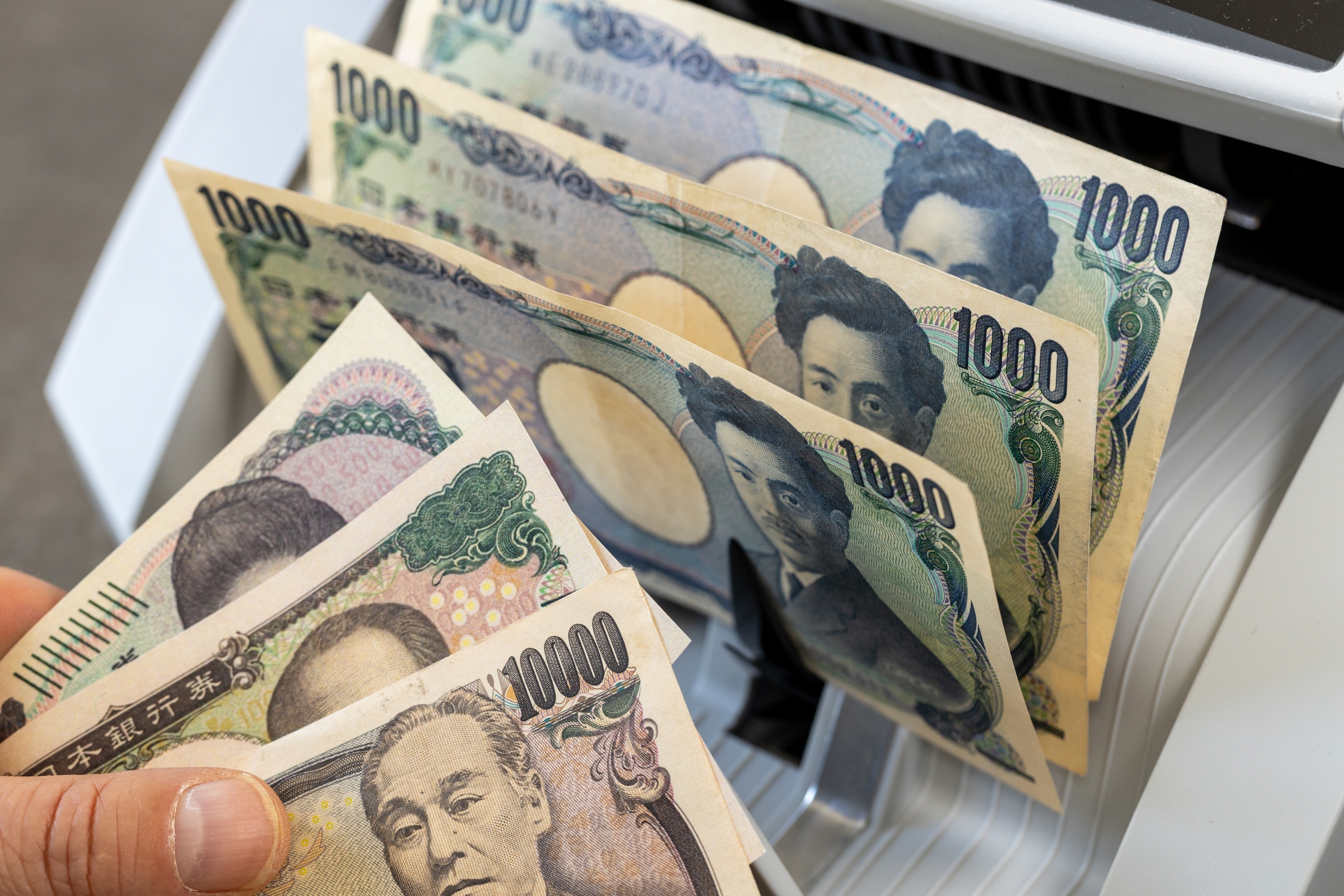
Japan’s Ministry of Finance confirmed on Monday that authorities deployed an unprecedented ¥7.98 trillion ($50.36 billion) on July 30 to support the Japanese yen, establishing the largest single-day currency intervention since official records began in 1991. The detailed daily breakdown for the July–September quarter reveals that Japanese monetary authorities carried out three aggressive yen-buying operations totaling ¥15.4 trillion ($97.2 billion) within days to combat extreme foreign exchange volatility. Unfolding against the backdrop of broad-based U.S. dollar dominance and sustained global interest rate differentials, the record-breaking deployment highlights the extreme fiscal resources required by Asian central banks to defend sovereign currencies against speculative carry trades.
Unprecedented Scale and Multilateral Coordination Across Summer Sessions
The official data provides transparent granular verification of Tokyo’s dramatic summer defense as the yen hovered near four-decade lows approaching 164 per dollar. Following the record ¥7.98 trillion deployment on July 30, the Ministry of Finance injected another ¥5.55 trillion on July 31—an operation bolstered by a rare coordinated intervention by U.S. authorities selling euros for yen—before adding ¥1.87 trillion on August 3. The operations comfortably surpassed the prior single-day record of ¥6.28 trillion executed on April 30, demonstrating an escalating commitment by Japanese authorities to enforce a hard valuation floor.
Strategic coordination extended beyond bilateral Washington ties to regional partners, as the Bank of Korea aligned won-buying operations to amplify systemic effectiveness against dollar strength. Furthermore, confirmations that Tokyo utilized the Federal Reserve’s Foreign and International Monetary Authorities (FIMA) Repo Facility allowed Japan to mobilize dollar liquidity without directly liquidating underlying U.S. Treasury holdings. While the massive intervention initially sparked a sharp recovery toward ¥152.89 per dollar, persistent monetary divergence has since seen the exchange rate drift back toward ¥158.30, illustrating the structural limitations of direct market intervention against wide interest rate spreads.
Cross-Border Transmission and Strategic Repercussions for Israeli Portfolios
The historic scale of Tokyo’s intervention carries direct strategic read-throughs for global asset managers and Israel’s institutional financial sector. As the Japanese yen serves as the world’s primary funding currency for global carry trades, violent currency defense and sudden liquidity shifts directly impact international risk appetite and cross-asset correlations. Unscheduled liquidity adjustments by Asian monetary authorities introduce volatility into sovereign fixed-income markets, reinforcing conservative liquidity postures among international multi-asset desks.
For Israeli institutional pension funds and corporate treasury desks navigating cross-border investments, Japan’s record intervention emphasizes the necessity of disciplined currency hedging. The New Israeli Shekel (NIS), which has traded with stability near 3.14 per dollar, benefits from broader international efforts to check runaway greenback appreciation. On the Tel Aviv Stock Exchange (TASE), domestic fund managers maintaining exposure to Asian equity indices or multinational semiconductor supply chains are factoring persistent currency volatility into overseas earnings yield calculations, favoring hedged allocations and domestic sovereign debt (Shahar) over unhedged foreign-exchange carry strategies.
Outlook: Rate Differential Hurdles, Reserve Drawdowns, and Future Policy Tests
Moving into upcoming quarters, market participants will monitor whether the Ministry of Finance’s aggressive line in the sand deters renewed speculative short-selling against the yen. Key variables to watch include the pace of the Bank of Japan’s gradual interest-rate normalization, the sustainability of Japan’s foreign exchange reserves following ¥15.4 trillion in cumulative outlays, and U.S. Federal Reserve terminal rate trajectories. Unless the fundamental yield differential between Tokyo and Washington narrows substantially, unilateral intervention risks diminishing returns, keeping institutional desks alert to further market tests of Japan’s multi-trillion-yen defense perimeter.
Comparison, examination, and analysis between investment houses
Leave your details, and an expert from our team will get back to you as soon as possible
* This article, in whole or in part, does not contain any promise of investment returns, nor does it constitute professional advice to make investments in any particular field.
To read more about the full disclaimer, click here
- Lior mor
- •
- 7 Min Read
- •
- ago 2 days
SKN | U.S. Labor Market Regains Momentum as Job Growth Surges and Unemployment Falls
The U.S. labor market delivered a stronger-than-expected performance in October, signaling that employment conditions may be regaining momentum after
- ago 2 days
- •
- 7 Min Read

The U.S. labor market delivered a stronger-than-expected performance in October, signaling that employment conditions may be regaining momentum after

- Ronny Mor
- •
- 5 Min Read
- •
- ago 2 days
SKN | Fed’s Mary Daly Signals Further Rate Hikes as Inflation Remains Elevated
Daly Signals Additional Interest Rate Increases Federal Reserve Bank of San Francisco President Mary Daly said further monetary tightening will
- ago 2 days
- •
- 5 Min Read

Daly Signals Additional Interest Rate Increases Federal Reserve Bank of San Francisco President Mary Daly said further monetary tightening will

- Arik Arkadi Sluzki
- •
- 6 Min Read
- •
- ago 2 days
SKN | Strong U.S. Jobs Report Revives Expectations for December Fed Rate Hike
Stronger-than-expected U.S. employment data has materially shifted expectations for Federal Reserve policy, with markets increasing bets that policymakers will
- ago 2 days
- •
- 6 Min Read

Stronger-than-expected U.S. employment data has materially shifted expectations for Federal Reserve policy, with markets increasing bets that policymakers will

- sagi habasov
- •
- 6 Min Read
- •
- ago 3 days
SKN | Dollar Steady, Yen Advances as Global Tech Rout Drains Risk Appetite Ahead of U.S. Payrolls
The U.S. dollar held stable while the Japanese yen advanced on Friday morning, November 6, 2026, as an aggressive equity
- ago 3 days
- •
- 6 Min Read
The U.S. dollar held stable while the Japanese yen advanced on Friday morning, November 6, 2026, as an aggressive equity
