





- Ronny Mor
- •
- 6 Min Read
- •
- 1 month ago


Key Points
- Fed Chair Kevin Warsh says underlying inflation remains a concern and reaffirms the PCE index as the key policy gauge.
- The federal funds rate remains at 3.50%-3.75%, with three FOMC members previously favoring a rate hike.
- Persistent inflation could keep U.S. monetary policy restrictive and continue influencing global asset valuations.

Warsh Keeps Inflation at the Center of Fed Policy
Federal Reserve Chairman Kevin Warsh used his speech at the Jackson Hole Economic Symposium to emphasize that inflation remains a significant policy risk, even as markets continue to debate the direction of U.S. interest rates. His remarks suggest that policymakers cannot assume recent moderation in price pressures will automatically develop into a sustained return toward the Federal Reserve’s 2% objective.
Warsh reiterated that the personal consumption expenditures, or PCE, price index remains the key inflation gauge for monetary policy. The clarification is significant because investors had been assessing whether his recent preference for a more flexible approach to measuring inflation could signal a change in the Fed’s policy framework. By reaffirming the importance of PCE, Warsh provided markets with a clearer indication of which measure remains central to the central bank’s assessment.
Rate Policy Faces a More Complicated Backdrop
The Federal Reserve left the federal funds rate unchanged at 3.50%-3.75% for a fifth consecutive meeting in July 2026. The decision came despite financial markets assigning roughly a one-in-three probability to a rate increase, while three Federal Open Market Committee members dissented in favor of higher rates.
That split illustrates the difficulty facing policymakers. Keeping rates elevated can help contain inflation expectations and demand, but maintaining restrictive policy for too long can increase pressure on economic activity and financial markets. For investors, the uncertainty is therefore not simply whether rates move higher or lower, but how long the Fed believes current policy settings need to remain restrictive.
Warsh has also questioned the traditional emphasis on the federal funds rate as the primary instrument for addressing inflation risks, instead highlighting the potential importance of a smaller Federal Reserve balance sheet. His criticism of forward guidance further complicates the policy signal, potentially placing greater emphasis on actual economic and financial conditions rather than explicit commitments about future rate decisions.
Markets Prepare for a Longer Inflation Fight
The latest comments reinforce the possibility that monetary policy could remain restrictive even if the Fed does not immediately raise rates. The benchmark rate currently stands at 3.75%, compared with its historical average of 5.39% since 1971. While today’s policy rate is substantially below past peaks, the comparison underscores how unusual the current inflation-policy debate remains relative to the longer historical record.
For U.S. and Israeli investors, the implications extend beyond Treasury markets. Expectations for higher-for-longer rates can influence the dollar, borrowing costs, equity valuations and capital flows across global markets. Growth-oriented assets may remain particularly sensitive to changes in rate expectations because higher discount rates can reduce the present value investors assign to future earnings.
Going forward, markets will focus on whether inflation data confirms Warsh’s concerns or provides evidence that price pressures are continuing to ease. A broader acceleration in inflation could strengthen the case for tighter policy, while sustained moderation could eventually reopen the path toward rate reductions. The balance between those outcomes will remain a central driver of financial markets through the remainder of 2026.
Comparison, examination, and analysis between investment houses
Leave your details, and an expert from our team will get back to you as soon as possible
* This article, in whole or in part, does not contain any promise of investment returns, nor does it constitute professional advice to make investments in any particular field.
To read more about the full disclaimer, click here
- omer bar
- •
- 6 Min Read
- •
- ago 2 hours
SKN | Atlanta Fed GDPNow Slips to 3.6% as U.S. Third-Quarter Growth Expectations Ease
GDPNow Still Points to Strong Third-Quarter Growth The latest Atlanta Fed GDPNow estimate places annualized real GDP growth for the
- ago 2 hours
- •
- 6 Min Read
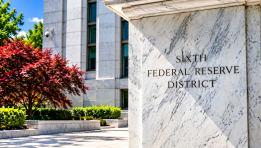
GDPNow Still Points to Strong Third-Quarter Growth The latest Atlanta Fed GDPNow estimate places annualized real GDP growth for the

- sagi habasov
- •
- 6 Min Read
- •
- ago 18 hours
SKN | Fed officials remain divided over further rate hikes as September minutes reveal a deepening policy debate.
Federal Reserve officials were more divided over the reasoning behind September’s rate increase than the unanimous policy vote suggested, with
- ago 18 hours
- •
- 6 Min Read
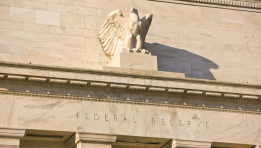
Federal Reserve officials were more divided over the reasoning behind September’s rate increase than the unanimous policy vote suggested, with

- Ronny Mor
- •
- 6 Min Read
- •
- ago 20 hours
SKN | Are Higher Rates the Biggest Threat to Global Growth? Wealthy Investors Point to Yields
Higher interest rates and bond yields have emerged as the leading concern among wealthy investors and family offices regarding global
- ago 20 hours
- •
- 6 Min Read

Higher interest rates and bond yields have emerged as the leading concern among wealthy investors and family offices regarding global
- omer bar
- •
- 7 Min Read
- •
- ago 23 hours
SKN | Fed Minutes Reveal Sharp Divide Over the Logic Behind September Rate Hike
Federal Reserve policymakers were united in September on the decision to raise interest rates but divided over what the
- ago 23 hours
- •
- 7 Min Read
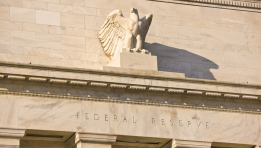
Federal Reserve policymakers were united in September on the decision to raise interest rates but divided over what the

