





- sagi habasov
- •
- 6 Min Read
- •
- 19 hours ago


Key Points
- Fed officials unanimously supported a 25-basis-point rate hike in September, but differed over the rationale for tighter policy.
- Some policymakers viewed the increase as insurance against inflation driven by supply and energy shocks, while others saw stronger demand as the main reason for higher rates.
- Most officials judged another rate increase by year-end would likely be appropriate, although weaker labor-market data have complicated the outlook.
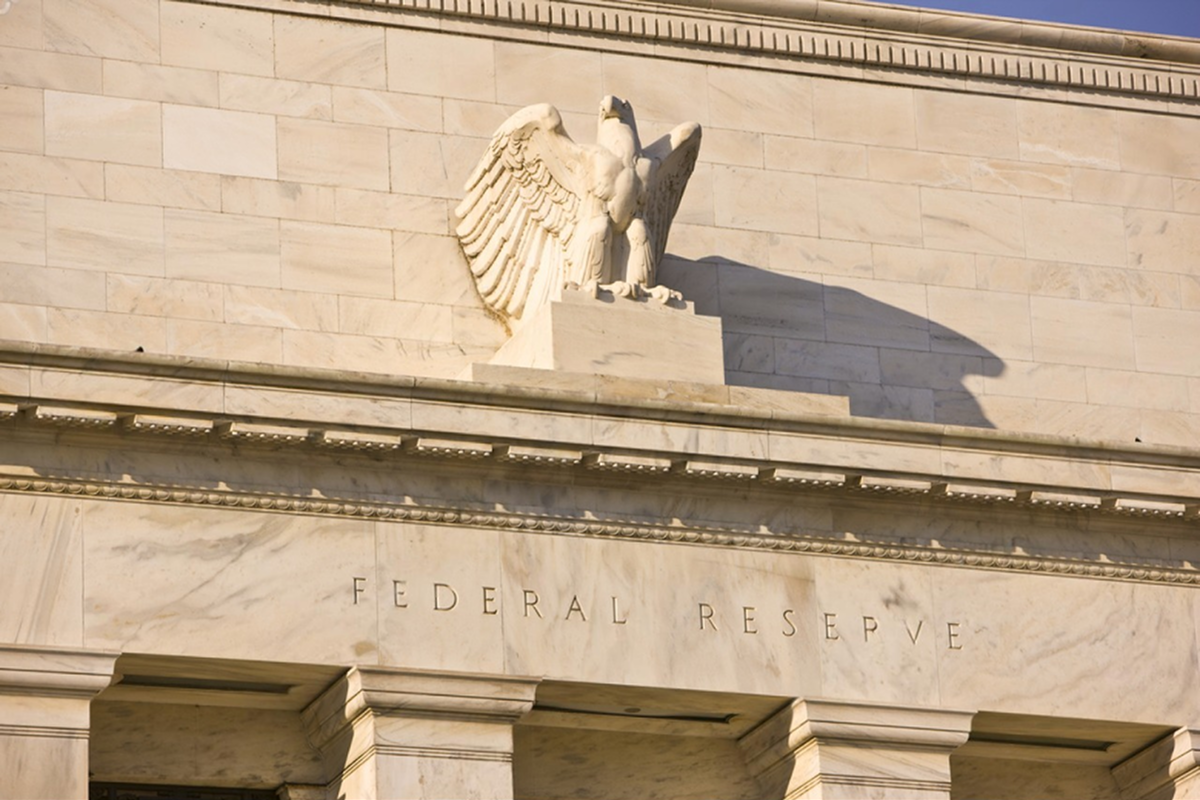
Federal Reserve officials were more divided over the reasoning behind September’s rate increase than the unanimous policy vote suggested, with policymakers offering different views on the risks that could require further tightening. The debate could have important implications for stocks, bonds and the dollar as markets reassess the path of U.S. monetary policy amid changing inflation and labor-market conditions.
Unanimous Rate Hike, Different Rationales
At the September 15–16 FOMC meeting, all participants supported a 25-basis-point increase in the federal funds rate, bringing the target range to 3.75%–4%. Officials noted that inflation remained above the Fed’s 2% target, while economic activity continued to expand at a solid pace and labor-market conditions appeared broadly consistent with full employment.
The minutes, however, showed that agreement on the rate increase did not necessarily mean agreement on why it was needed. Some officials viewed the move as a risk-management measure designed to guard against persistent inflation if demand proved stronger than expected or additional supply shocks emerged. Others considered higher rates necessary based on their baseline economic outlook rather than primarily as an insurance policy.
Energy, AI and Demand Add to Inflation Debate
Several Fed officials highlighted the risk that temporary increases in energy prices could spread into broader and more persistent inflation pressures. Others pointed to AI-related demand as a potential source of additional price pressure. At the same time, some policymakers raised their estimates of the neutral interest rate, the level that neither stimulates nor restricts economic activity.
Nearly all participants judged that inflation risks remained tilted to the upside, while labor-market risks had become more balanced. Some officials also argued that the current policy rate was not restrictive, or was only modestly restrictive, suggesting that additional tightening could still be warranted if inflation failed to moderate.
Another Rate Increase Remains on the Table
Despite the differences, most Fed officials believed another rate increase by the end of the year would likely be appropriate. At the same time, policymakers emphasized that future decisions would depend on incoming economic data and changes in the balance of risks. The next FOMC meeting is scheduled for October 27–28.
Markets have since taken a more cautious view of the tightening outlook. Softer-than-expected labor and inflation data have reduced expectations for another rate increase in October, leaving investors focused on the economic reports released before the meeting. The dollar has remained near an 18-month high, while expectations for further monetary tightening continue to influence Treasury yields and the valuation of risk assets.
For investors, the key question heading into the final months of 2026 is whether inflation will remain high enough to justify another rate increase or whether weakening labor-market conditions will encourage the Fed to wait. Inflation, employment, energy prices and AI-related demand will remain critical indicators for the path of interest rates and the direction of Treasury yields, the dollar and equities through year-end.
Comparison, examination, and analysis between investment houses
Leave your details, and an expert from our team will get back to you as soon as possible
* This article, in whole or in part, does not contain any promise of investment returns, nor does it constitute professional advice to make investments in any particular field.
To read more about the full disclaimer, click here
- sagi habasov
- •
- 6 Min Read
- •
- ago 1 hour
SKN | Colombia Faces Fiscal Hurdles as It Seeks Potential $20 Billion IMF Support
Colombia is seeking billions of dollars in potential assistance from the International Monetary Fund as it confronts a worsening
- ago 1 hour
- •
- 6 Min Read

Colombia is seeking billions of dollars in potential assistance from the International Monetary Fund as it confronts a worsening

- omer bar
- •
- 6 Min Read
- •
- ago 3 hours
SKN | Atlanta Fed GDPNow Slips to 3.6% as U.S. Third-Quarter Growth Expectations Ease
GDPNow Still Points to Strong Third-Quarter Growth The latest Atlanta Fed GDPNow estimate places annualized real GDP growth for the
- ago 3 hours
- •
- 6 Min Read

GDPNow Still Points to Strong Third-Quarter Growth The latest Atlanta Fed GDPNow estimate places annualized real GDP growth for the

- Ronny Mor
- •
- 6 Min Read
- •
- ago 21 hours
SKN | Are Higher Rates the Biggest Threat to Global Growth? Wealthy Investors Point to Yields
Higher interest rates and bond yields have emerged as the leading concern among wealthy investors and family offices regarding global
- ago 21 hours
- •
- 6 Min Read

Higher interest rates and bond yields have emerged as the leading concern among wealthy investors and family offices regarding global
- omer bar
- •
- 7 Min Read
- •
- ago 1 day
SKN | Fed Minutes Reveal Sharp Divide Over the Logic Behind September Rate Hike
Federal Reserve policymakers were united in September on the decision to raise interest rates but divided over what the
- ago 1 day
- •
- 7 Min Read
Federal Reserve policymakers were united in September on the decision to raise interest rates but divided over what the

