




- omer bar
- •
- 7 Min Read
- •
- 2 hours ago


Key Points
- The Federal Reserve unanimously raised rates by 25 basis points in September, but policymakers differed over the reason for the move.
- Some officials viewed the increase as protection against energy and other temporary price shocks, while a more hawkish group focused on demand-driven inflation.
- Markets expect the Fed to leave rates at 3.75%–4.00% in October, with another increase anticipated in December.
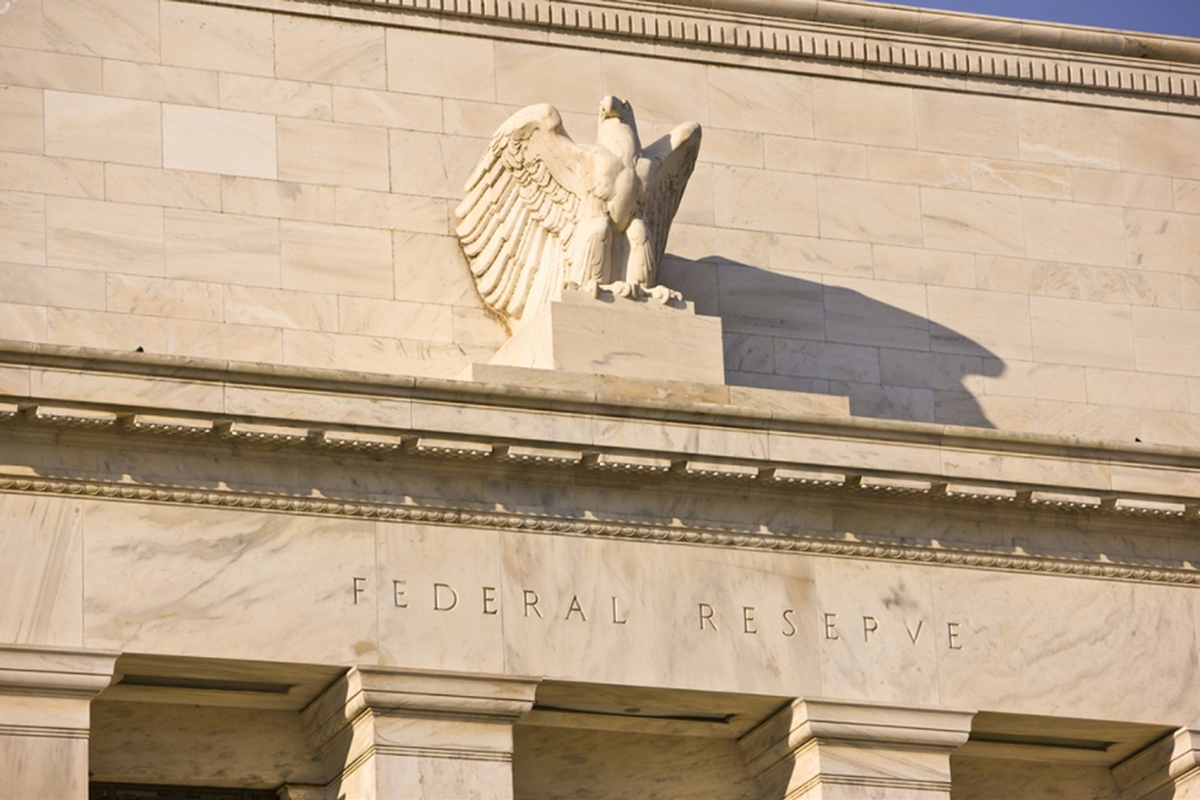
Federal Reserve policymakers were united in September on the decision to raise interest rates but divided over what the move was intended to accomplish, according to minutes of the central bank’s latest meeting. The split underscores the uncertainty surrounding U.S. inflation and suggests that the future path of monetary policy will depend heavily on whether price pressures remain temporary or begin reflecting stronger underlying demand.
Fed Agreed on a Rate Hike but Not Its Purpose
The Fed voted unanimously at its September 15–16 meeting to increase the policy rate by 25 basis points. However, the minutes showed that officials had different interpretations of the appropriate policy response to the economic environment.
Some participants argued that the increase was necessary to prevent the effects of energy prices and other supply-related shocks from becoming embedded in inflation. From this perspective, monetary policy needed to provide a degree of protection against temporary price pressures without necessarily signaling a prolonged period of significantly tighter financial conditions.
A more hawkish group viewed the decision differently. These policymakers considered the rate increase necessary to address signs of demand-driven inflation, suggesting that stronger economic activity and spending could create more persistent price pressures. The distinction is important because demand-driven inflation generally presents a different policy challenge from temporary supply shocks.
Competing Views Create Uncertainty for October
The disagreement leaves investors focused on whether the September increase represented a precautionary adjustment or the beginning of a more restrictive policy cycle. If inflationary shocks fade, policymakers who viewed the September move as largely defensive may have less reason to support additional increases in the near term.
However, if price pressures remain elevated or evidence of stronger demand becomes more convincing, the hawkish argument could gain influence. That would increase the likelihood that the Fed maintains restrictive monetary conditions for longer and potentially delivers additional rate increases.
Markets See Rates Holding at 3.75%–4.00% in October
Investors currently expect the Fed to leave its policy rate in the 3.75%–4.00% range at its October meeting, according to the market view described in the Reuters report. This expectation suggests that financial markets are not anticipating an immediate follow-up to September’s increase.
The pause would give policymakers additional time to assess whether inflation pressures are broadening and whether the factors responsible for recent price increases are temporary. It would also allow the central bank to evaluate the effects of the September move before deciding whether further tightening is necessary.
December Could Become the Next Major Policy Test
Attention is increasingly shifting toward the Fed’s December meeting, where markets expect another rate increase. The path to that decision will depend on whether incoming economic data validates the more hawkish interpretation of the September hike or supports the view that recent inflationary pressures will gradually ease.
For global investors, the distinction could have significant implications for U.S. Treasury yields, the dollar and broader asset valuations. A Fed that sees persistent demand-driven inflation would likely maintain tighter financial conditions, while evidence that price shocks are fading could reduce pressure for further tightening. The September minutes therefore reinforce that the next phase of U.S. monetary policy remains highly dependent on the durability and composition of inflation.
Comparison, examination, and analysis between investment houses
Leave your details, and an expert from our team will get back to you as soon as possible
* This article, in whole or in part, does not contain any promise of investment returns, nor does it constitute professional advice to make investments in any particular field.
To read more about the full disclaimer, click here
- Ronny Mor
- •
- 7 Min Read
- •
- ago 1 hour
SKN | Could Rising Treasury Yields Force the Fed to Prepare for Market Stress?
Fed Minutes Highlight Concern Over Treasury-Market Stress Federal Reserve officials are preparing for the possibility of renewed stress in Treasury
- ago 1 hour
- •
- 7 Min Read
Fed Minutes Highlight Concern Over Treasury-Market Stress Federal Reserve officials are preparing for the possibility of renewed stress in Treasury

- Lior mor
- •
- 6 Min Read
- •
- ago 3 hours
SKN | Labor Income’s Share of U.S. Personal Income Has Fallen for Decades — What Is Replacing It?
Labor Compensation Has Lost Share Over Time Most Americans still derive a substantial portion of their income from employment, but
- ago 3 hours
- •
- 6 Min Read

Labor Compensation Has Lost Share Over Time Most Americans still derive a substantial portion of their income from employment, but

- omer bar
- •
- 7 Min Read
- •
- ago 6 hours
SKN | U.S. Inflation Expectations Jump as One-Year Outlook Hits Highest Level Since 2023
Consumer Inflation Expectations Accelerate U.S. consumers became significantly more concerned about near-term inflation in September, according to the New York
- ago 6 hours
- •
- 7 Min Read
Consumer Inflation Expectations Accelerate U.S. consumers became significantly more concerned about near-term inflation in September, according to the New York
- Ronny Mor
- •
- 6 Min Read
- •
- ago 1 day
SKN | Why Have India-U.S. Trade Talks Stalled Again and What Comes Next?
Trade negotiations between India and the United States have stalled again, leaving two of the world’s largest economies without
- ago 1 day
- •
- 6 Min Read

Trade negotiations between India and the United States have stalled again, leaving two of the world’s largest economies without
