





- omer bar
- •
- 7 Min Read
- •
- 3 minutes ago


Key Points
- Near-term inflation expectations rise: The New York Fed's one-year inflation outlook increased to 3.9% in September, its highest level since May 2023.
- Household spending expectations climb: Consumers expect spending growth of 5.5%, also the highest reading since May 2023.
- Fed faces a difficult rate-setting environment: Markets largely expect rates to remain unchanged in October, even as longer-term market indicators point to persistent inflation concerns.
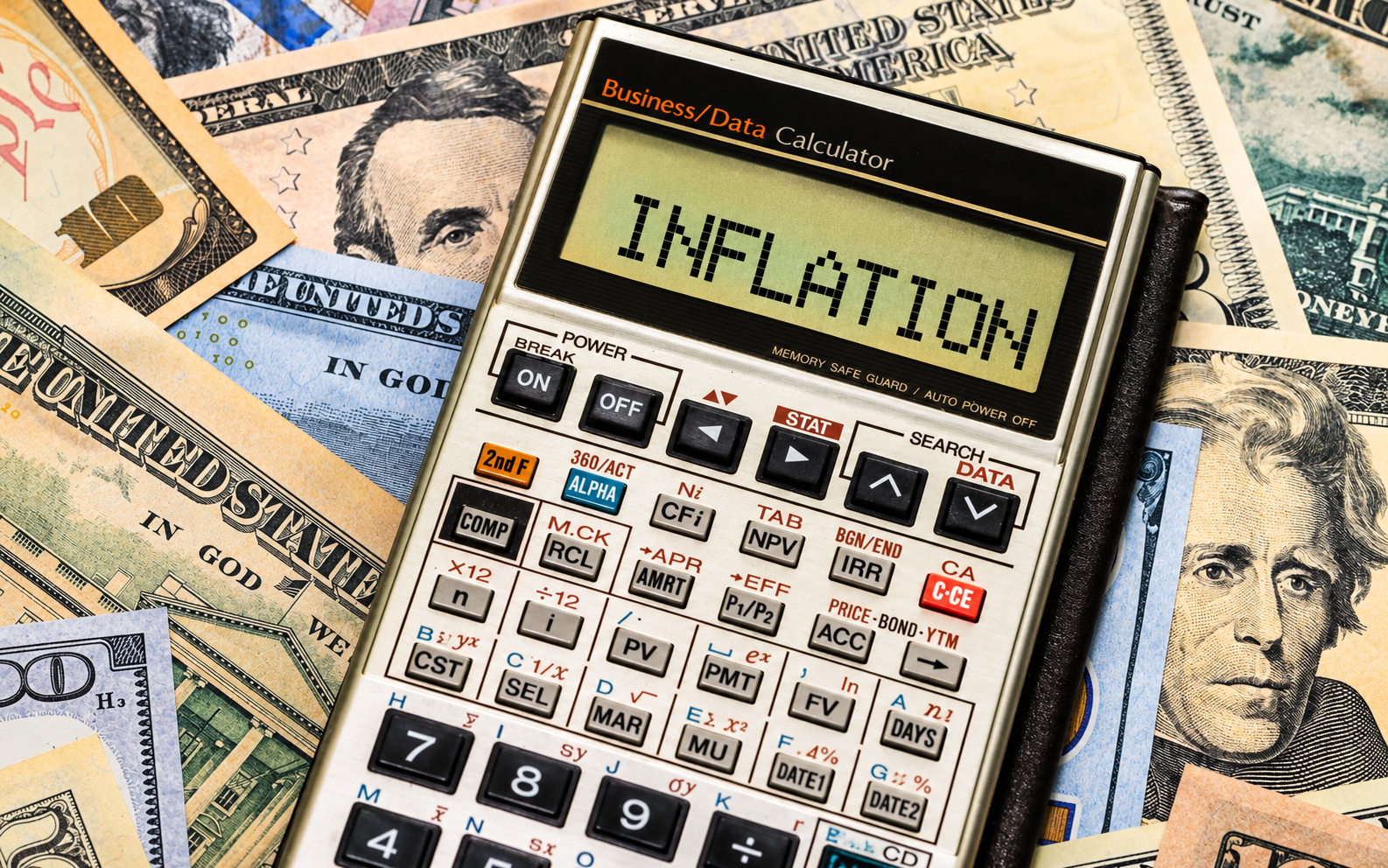
Consumer Inflation Expectations Accelerate
U.S. consumers became significantly more concerned about near-term inflation in September, according to the New York Federal Reserve’s Survey of Consumer Expectations. The median expectation for inflation over the next 12 months rose to 3.9%, an increase of 0.3 percentage point from August.
The latest reading represents the highest one-year inflation expectation since May 2023, when the measure reached 4.1%. The increase adds another layer of uncertainty for Federal Reserve policymakers as they assess whether current monetary policy is sufficiently restrictive to bring inflation toward the central bank’s 2% target.
Household Spending Expectations Also Rise
Consumers also became more optimistic about the pace of their future spending. Expected household spending growth increased 0.3 percentage point to 5.5%, matching the highest level recorded since May 2023.
The combination of higher inflation expectations and stronger anticipated spending could complicate the Federal Reserve’s policy debate. Persistent consumer demand can make it more difficult for price pressures to ease if businesses continue passing higher costs through to households.
Fed Expected to Hold Rates in October
Despite the increase in consumer inflation expectations, markets largely anticipate that the Federal Open Market Committee will leave benchmark interest rates unchanged at its October meeting. The Fed’s preferred inflation gauge showed a lower-than-expected reading for August, while several officials have indicated that policymakers can take additional time to evaluate incoming economic data.
The current federal funds target range stands at 3.75% to 4%. The contrast between relatively stable near-term rate expectations and elevated inflation concerns illustrates the challenge facing policymakers as they attempt to balance price stability against broader economic conditions.
Longer-Term Expectations Remain More Stable
The New York Fed survey showed that inflation expectations remain comparatively better anchored over longer horizons. The three-year expectation increased slightly to 3.3%, while the five-year expectation remained unchanged at 3%.
Market-based measures, however, have become less reassuring. The five-year inflation breakeven rate has risen to approximately 2.35%, near its highest level of the year. At the same time, Treasury yields have climbed sharply to levels not seen since the early part of the century, according to the source.
Markets Price a More Restrictive Future
Even as traders anticipate a Federal Reserve pause in October, futures markets are pricing a substantially higher policy rate further into the future. Fed funds futures imply a rate of approximately 5.58% in five years, significantly above the current 3.75%-4% target range.
The divergence highlights the uncertainty surrounding the inflation outlook. Near-term expectations for Fed policy remain relatively stable, but bond-market pricing suggests investors are preparing for the possibility that inflation and other economic pressures could require higher interest rates over a longer period.
What Investors Should Watch Next
The evolution of inflation expectations will remain central to the outlook for Treasury yields, equities and monetary policy. A continued rise in consumer expectations could make it more difficult for the Federal Reserve to ease policy, particularly if spending remains strong. Conversely, further evidence that actual inflation is cooling could help contain expectations and reduce pressure on long-term yields. Investors should monitor upcoming inflation data, consumer spending trends, Treasury yields and Fed communications for signals about whether September’s increase represents a temporary shift or a more persistent change in inflation psychology.
Comparison, examination, and analysis between investment houses
Leave your details, and an expert from our team will get back to you as soon as possible
* This article, in whole or in part, does not contain any promise of investment returns, nor does it constitute professional advice to make investments in any particular field.
To read more about the full disclaimer, click here
- Ronny Mor
- •
- 6 Min Read
- •
- ago 19 hours
SKN | Why Have India-U.S. Trade Talks Stalled Again and What Comes Next?
Trade negotiations between India and the United States have stalled again, leaving two of the world’s largest economies without
- ago 19 hours
- •
- 6 Min Read

Trade negotiations between India and the United States have stalled again, leaving two of the world’s largest economies without

- Arik Arkadi Sluzki
- •
- 7 Min Read
- •
- ago 19 hours
SKN | Fed’s Daly Says Further Rate Hikes Depend on How Inflation Shocks Evolve
Federal Reserve policymaker Mary Daly said the need for additional interest-rate hikes will depend heavily on whether the inflationary
- ago 19 hours
- •
- 7 Min Read
Federal Reserve policymaker Mary Daly said the need for additional interest-rate hikes will depend heavily on whether the inflationary

- Lior mor
- •
- 6 Min Read
- •
- ago 20 hours
SKN | U.S. Private Payroll Growth Extends Winning Streak as Hiring Momentum Improves
Private Hiring Maintains Its Positive Streak The latest ADP Research data shown in the chart point to a fifth straight
- ago 20 hours
- •
- 6 Min Read

Private Hiring Maintains Its Positive Streak The latest ADP Research data shown in the chart point to a fifth straight
- Arik Arkadi Sluzki
- •
- 6 Min Read
- •
- ago 24 hours
SKN | U.S. Trade Deficit Surges to $105.6 Billion: Are Tariffs Failing to Narrow the Gap?
The U.S. trade deficit widened sharply in August, reaching $105.6 billion, as imports accelerated despite the continuation of elevated
- ago 24 hours
- •
- 6 Min Read

The U.S. trade deficit widened sharply in August, reaching $105.6 billion, as imports accelerated despite the continuation of elevated

