





- Ronny Mor
- •
- 6 Min Read
- •
- 21 hours ago


Key Points
- 37% of investors surveyed by Deutsche Bank identified interest rates and yields as the biggest risk to global economic growth.
- Inflation ranked second at 23%, while AI-related risks accounted for 17% of responses.
- 73% of respondents viewed Asia as the most geopolitically stable region over the next 12 months.
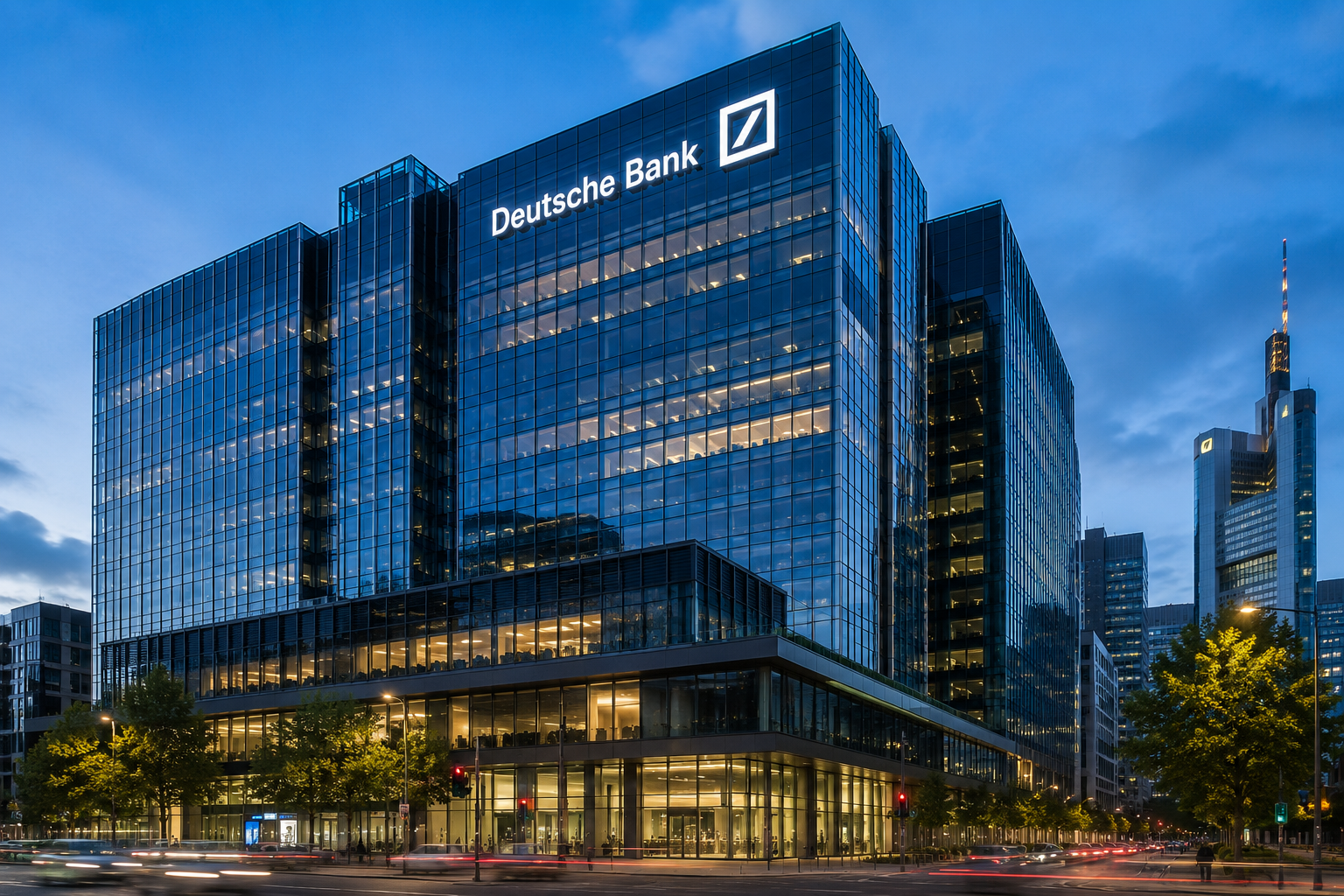
Higher interest rates and bond yields have emerged as the leading concern among wealthy investors and family offices regarding global economic growth, according to a Deutsche Bank survey. The findings highlight growing sensitivity to financing costs at a time when markets are also navigating inflation, geopolitical uncertainty and the economic implications of rapid AI investment.
Interest Rates Lead the Global Risk Ranking
The survey was conducted at Deutsche Bank’s Emerging Markets Family Office Forum 2026 in Singapore, with around 200 family offices and high-net-worth individuals participating. Some 37% of respondents identified interest rates and yields as the biggest threat to global economic growth, ahead of inflation at 23% and AI-related risks at 17%.
The focus on rates reflects the sensitivity of wealthy investors to changes in financial conditions. Higher government bond yields can increase borrowing costs for companies and governments while also raising financing expenses for households. For financial markets, a prolonged “higher-for-longer” environment could therefore affect not only economic activity but also asset valuations and capital-allocation decisions.
Asia Emerges as a Relative Geopolitical Anchor
Alongside concerns about rates, the survey showed a relatively positive view of Asia’s geopolitical outlook. Some 73% of respondents identified Asia as the most geopolitically stable region over the next 12 months. The United States ranked second with 14%, followed by the United Kingdom and Europe at 6%, Latin America at 4% and the Middle East at 2%.
The strong preference for Asia may reflect wealthy investors’ focus on stability and geographic diversification. Marco Pagliara, Deutsche Bank Private Bank’s head of emerging markets, said international families and family offices are seeking stability, risk mitigation and global connectivity, with Singapore emerging as a preferred hub for wealth management.
What Higher Yields Could Mean for Markets
The survey comes as investors face a complex combination of monetary policy, inflation, bond yields and technological risks. For equity markets, rising yields can pressure valuations by increasing the discount rate applied to future cash flows. In fixed income, meanwhile, sharp movements in government yields can alter the relative attractiveness of different maturities and credit exposures.
Deutsche Bank’s Private Bank manages €732 billion in assets, equivalent to roughly $819.77 billion, as of June 30. While the survey reflects investor sentiment rather than an official economic forecast, the results offer an indication of the issues influencing wealth-allocation decisions among large private investors.
Markets will continue to monitor inflation trends, central-bank policy and movements in government bond yields. If elevated yields persist, financing costs and asset valuations are likely to remain important drivers of the global outlook. Conversely, a sustained decline in inflation and bond yields could ease some of the growth concerns currently highlighted by wealthy investors.
Comparison, examination, and analysis between investment houses
Leave your details, and an expert from our team will get back to you as soon as possible
* This article, in whole or in part, does not contain any promise of investment returns, nor does it constitute professional advice to make investments in any particular field.
To read more about the full disclaimer, click here
- Ronny Mor
- •
- 6 Min Read
- •
- ago 5 minutes
SKN | Fed’s Musalem Says More Rate Hikes May Be Needed to Bring Inflation Back to 2%
Federal Reserve Bank of St. Louis President Alberto Musalem said Thursday that the U.S. central bank will need to
- ago 5 minutes
- •
- 6 Min Read
Federal Reserve Bank of St. Louis President Alberto Musalem said Thursday that the U.S. central bank will need to

- sagi habasov
- •
- 6 Min Read
- •
- ago 2 hours
SKN | Colombia Faces Fiscal Hurdles as It Seeks Potential $20 Billion IMF Support
Colombia is seeking billions of dollars in potential assistance from the International Monetary Fund as it confronts a worsening
- ago 2 hours
- •
- 6 Min Read

Colombia is seeking billions of dollars in potential assistance from the International Monetary Fund as it confronts a worsening

- omer bar
- •
- 6 Min Read
- •
- ago 3 hours
SKN | Atlanta Fed GDPNow Slips to 3.6% as U.S. Third-Quarter Growth Expectations Ease
GDPNow Still Points to Strong Third-Quarter Growth The latest Atlanta Fed GDPNow estimate places annualized real GDP growth for the
- ago 3 hours
- •
- 6 Min Read

GDPNow Still Points to Strong Third-Quarter Growth The latest Atlanta Fed GDPNow estimate places annualized real GDP growth for the
- sagi habasov
- •
- 6 Min Read
- •
- ago 19 hours
SKN | Fed officials remain divided over further rate hikes as September minutes reveal a deepening policy debate.
Federal Reserve officials were more divided over the reasoning behind September’s rate increase than the unanimous policy vote suggested, with
- ago 19 hours
- •
- 6 Min Read
Federal Reserve officials were more divided over the reasoning behind September’s rate increase than the unanimous policy vote suggested, with

