




- sagi habasov
- •
- 5 Min Read
- •
- 2 minutes ago


Key Points
- Inflation Remains Elevated: Federal Reserve Vice Chair of Supervision Michelle Bowman estimates that core PCE inflation likely increased to 3.3% in October, driven partly by higher energy prices and AI-related demand.
- Potential Improvement in 2027: Bowman expects core inflation to move closer to the Federal Reserve's 2% target next year as pressure from recent economic and geopolitical shocks eases.
- Rate Policy Requires Caution: Falling stock prices, rising bond yields and a stronger dollar have tightened financial conditions, adding potential economic costs to further monetary tightening.
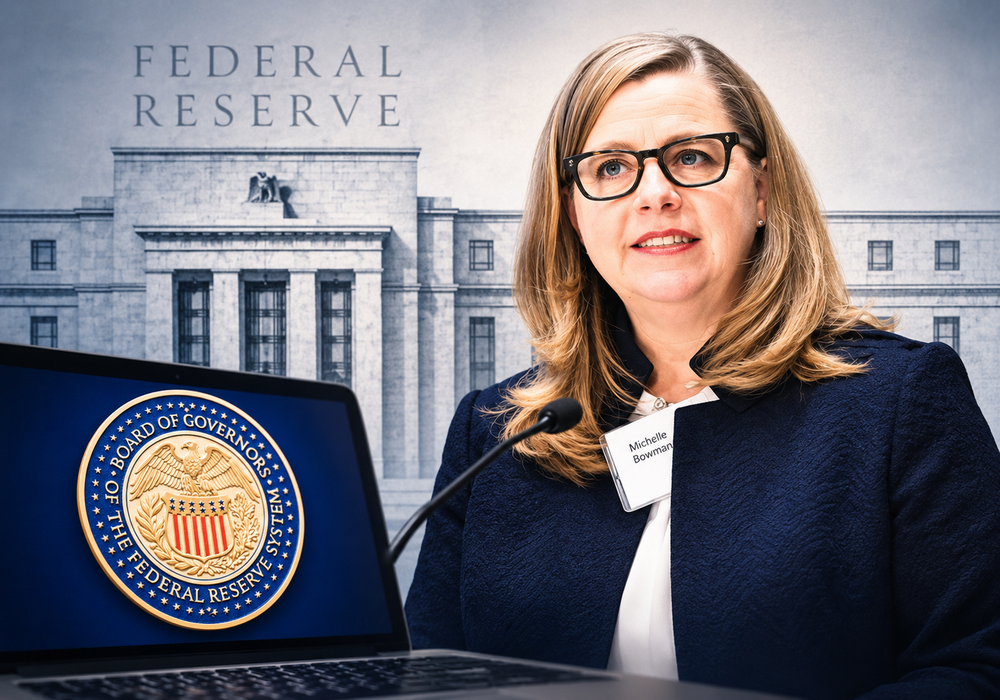
Inflation Remains the Fed’s Main Concern
Federal Reserve Vice Chair of Supervision Michelle Bowman said inflation pressures remain persistent, reinforcing the central bank’s focus on bringing price growth closer to its 2% target.
In prepared remarks delivered Tuesday to the Council on Foreign Relations in Washington, Bowman said inflation pressures were continuing while labor market conditions appeared to be firming.
She estimated that the core personal consumption expenditures price index, the Federal Reserve’s preferred underlying inflation measure, likely rose 3.3% in October. Higher energy prices and demand associated with artificial intelligence investment contributed to the increase.
However, Bowman said the lack of progress on inflation was not being driven by the labor market. Although employment conditions have improved, she does not consider the labor market overheated.
Bowman Expects Inflation to Ease Next Year
Despite the current inflation pressures, Bowman expects price growth to moderate as the effects of recent shocks begin to fade.
She pointed to the potential easing of pressure from the expansion of AI infrastructure and the conflict in the Middle East. With no additional inflationary pressure emerging from the labor market, she expects core PCE inflation to move closer to 2% next year.
Her outlook suggests that the current inflation challenge may become less persistent if these external pressures weaken. However, the timing and extent of that adjustment remain uncertain.
Tighter Financial Conditions Complicate Rate Decisions
Bowman also highlighted changes in financial markets that could affect the economic outlook. Falling equity prices, rising bond yields and a stronger US dollar have tightened financial conditions, potentially creating risks for an economy that has strengthened this year.
She cautioned that further monetary tightening could impose costs on interest-rate-sensitive sectors, requiring policymakers to balance the benefits of reducing inflation against the potential impact on economic activity.
Her comments stopped short of explicitly calling for additional interest-rate increases. Instead, they emphasized the need to assess how persistent AI-related demand will prove to be and how geopolitical risks develop.
What Investors Should Watch Next
The next phase of the Federal Reserve’s policy assessment will depend on whether inflation begins to moderate as Bowman expects and whether tighter financial conditions weigh on economic activity.
Core PCE inflation, energy prices, AI-related investment demand and developments in the Middle East will remain important variables. The interaction between these factors could influence how policymakers evaluate the need for further tightening against the risks of adding pressure to interest-rate-sensitive sectors.
Comparison, examination, and analysis between investment houses
Leave your details, and an expert from our team will get back to you as soon as possible
* This article, in whole or in part, does not contain any promise of investment returns, nor does it constitute professional advice to make investments in any particular field.
To read more about the full disclaimer, click here
- orshu
- •
- 7 Min Read
- •
- ago 3 hours
SKN | US Treasury Yields Surge as Hot Inflation Data Revives December Fed Rate-Hike Concerns and Pressures Wall Street
U.S. financial markets faced renewed pressure on November 10 after stronger-than-expected October inflation data challenged expectations that monetary policy
- ago 3 hours
- •
- 7 Min Read

U.S. financial markets faced renewed pressure on November 10 after stronger-than-expected October inflation data challenged expectations that monetary policy

- Ronny Mor
- •
- 7 Min Read
- •
- ago 4 hours
SKN | Wall Street Falls as Hot October Inflation Revives Fed Rate-Hike Fears and Pressures Technology Stocks
Wall Street retreated on Tuesday, November 10, as stronger-than-expected inflation data challenged expectations that U.S. monetary policy could become
- ago 4 hours
- •
- 7 Min Read

Wall Street retreated on Tuesday, November 10, as stronger-than-expected inflation data challenged expectations that U.S. monetary policy could become

- Lior mor
- •
- 7 Min Read
- •
- ago 5 hours
SKN | ECB Rate Path Depends on Whether Energy Inflation Spreads Across the Economy
The European Central Bank's future interest-rate decisions will depend increasingly on whether the recent surge in energy costs feeds
- ago 5 hours
- •
- 7 Min Read
The European Central Bank's future interest-rate decisions will depend increasingly on whether the recent surge in energy costs feeds
- orshu
- •
- 8 Min Read
- •
- ago 5 hours
SKN | Hotter U.S. Inflation Sends Nasdaq Futures Lower as December Fed Rate Hike Bets Surge
U.S. equity futures came under renewed pressure after October inflation data exceeded expectations, challenging hopes that price pressures were
- ago 5 hours
- •
- 8 Min Read

U.S. equity futures came under renewed pressure after October inflation data exceeded expectations, challenging hopes that price pressures were
