




- orshu
- •
- 7 Min Read
- •
- 8 minutes ago


Key Points
- U.S. consumer prices increased 0.4% in October, exceeding the 0.3% forecast, while core CPI advanced 0.3%, above the expected 0.2%.
- The two-year Treasury yield jumped approximately 19 basis points to 4.74%, while the 10-year yield approached 5%, reflecting a significant repricing of Federal Reserve policy expectations.
- Markets assigned approximately an 85% probability to a 25-basis-point December rate increase and a 15% probability to a larger 50-basis-point move, intensifying pressure on equities, gold, and other interest-rate-sensitive assets.

U.S. financial markets faced renewed pressure on November 10 after stronger-than-expected October inflation data challenged expectations that monetary policy could become less restrictive in the coming months. Rising Treasury yields, a stronger dollar, and declining equity prices reflected investors’ reassessment of the Federal Reserve’s next policy steps, particularly as policymakers signaled that additional tightening could be necessary to restore price stability. The developments reinforce the importance of inflation persistence and financing conditions for global asset allocation as markets approach the final Federal Reserve meeting of 2026.
Inflation Surprise Changes the Federal Reserve Outlook
The U.S. Consumer Price Index increased 0.4% month over month in October, following a 0.6% advance in September and exceeding economists’ expectations of 0.3%. Core CPI, which excludes food and energy, rose 0.3%, also above the 0.2% consensus estimate. The absence of a comparable year-over-year October inflation reading reflects the disruption to data collection during the previous year’s federal government shutdown.
The underlying inflation figures have become particularly important because they suggest that price pressures are not confined to energy markets. Federal Reserve Governor Christopher Waller indicated that a 0.3% core inflation reading could justify considering a half-percentage-point increase in December. Dallas Fed President Lorie Logan also argued that at least two additional quarter-point increases may be necessary to bring inflation under control. These comments indicate that policymakers remain concerned about the possibility of inflation becoming entrenched despite earlier monetary tightening.
Treasury Yields Rise as Equities and Gold Retreat
Bond markets reacted sharply to the inflation surprise. The two-year Treasury yield climbed approximately 19 basis points to 4.74%, marking its largest daily increase since April 2025. The benchmark 10-year yield approached 5%, reaching approximately 4.99%. The movement reflects changing expectations for short-term borrowing costs and a reassessment of the potential duration of restrictive monetary policy.
Wall Street also weakened. The Dow Jones Industrial Average declined 0.57% to 52,087.13, the S&P 500 fell 0.71% to 7,496.63, and the Nasdaq Composite lost 0.90% to 25,025.83. The U.S. dollar strengthened approximately 0.6%, while gold declined around 2.3% to $4,043.73 per ounce. Higher real and nominal yields can increase the opportunity cost of holding non-yielding assets while placing pressure on equity valuations, particularly in growth-oriented sectors.
Global Implications and the December Policy Decision
The repricing of U.S. monetary policy extends beyond domestic financial markets. Higher Treasury yields can attract international capital toward dollar-denominated assets, potentially increasing pressure on emerging-market currencies and raising financing costs for governments and companies with dollar liabilities. For Israeli institutional investors, changes in U.S. yields and dollar-shekel movements may influence the relative attractiveness and currency-adjusted performance of international bond and equity allocations.
The near-term outlook will depend on whether subsequent inflation readings confirm a persistent upward trend or indicate that October represented a temporary acceleration. With markets assigning an estimated 85% probability to a 25-basis-point December increase and 15% to a 50-basis-point move, the possibility of more aggressive tightening remains relevant but is not the central expectation. Further energy-price volatility, geopolitical developments, import tariffs, and fiscal pressures could complicate the inflation trajectory. The Federal Reserve will therefore face a difficult balance between maintaining credibility on price stability and avoiding excessive restrictions on economic activity. Investors will closely monitor incoming inflation and employment data, Treasury yields, and policymakers’ communications for indications of whether the current repricing represents a temporary adjustment or the beginning of a more prolonged tightening cycle.
Comparison, examination, and analysis between investment houses
Leave your details, and an expert from our team will get back to you as soon as possible
* This article, in whole or in part, does not contain any promise of investment returns, nor does it constitute professional advice to make investments in any particular field.
To read more about the full disclaimer, click here
- Ronny Mor
- •
- 7 Min Read
- •
- ago 53 minutes
SKN | Wall Street Falls as Hot October Inflation Revives Fed Rate-Hike Fears and Pressures Technology Stocks
Wall Street retreated on Tuesday, November 10, as stronger-than-expected inflation data challenged expectations that U.S. monetary policy could become
- ago 53 minutes
- •
- 7 Min Read

Wall Street retreated on Tuesday, November 10, as stronger-than-expected inflation data challenged expectations that U.S. monetary policy could become

- Lior mor
- •
- 7 Min Read
- •
- ago 1 hour
SKN | ECB Rate Path Depends on Whether Energy Inflation Spreads Across the Economy
The European Central Bank's future interest-rate decisions will depend increasingly on whether the recent surge in energy costs feeds
- ago 1 hour
- •
- 7 Min Read
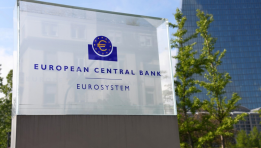
The European Central Bank's future interest-rate decisions will depend increasingly on whether the recent surge in energy costs feeds

- orshu
- •
- 8 Min Read
- •
- ago 1 hour
SKN | Hotter U.S. Inflation Sends Nasdaq Futures Lower as December Fed Rate Hike Bets Surge
U.S. equity futures came under renewed pressure after October inflation data exceeded expectations, challenging hopes that price pressures were
- ago 1 hour
- •
- 8 Min Read

U.S. equity futures came under renewed pressure after October inflation data exceeded expectations, challenging hopes that price pressures were

- omer bar
- •
- 7 Min Read
- •
- ago 2 hours
SKN | Hot October Inflation Report Rattles Markets as Fed Rate-Hike Expectations Strengthen
U.S. financial markets came under renewed pressure on November 10 after stronger-than-expected October inflation figures challenged expectations for monetary
- ago 2 hours
- •
- 7 Min Read

U.S. financial markets came under renewed pressure on November 10 after stronger-than-expected October inflation figures challenged expectations for monetary
