




- orshu
- •
- 8 Min Read
- •
- 2 minutes ago


Key Points
- U.S. October headline CPI increased 0.4% month over month, exceeding the 0.3% forecast, while core inflation rose 0.3%, above expectations of 0.2%.
- Nasdaq 100 futures fell approximately 1.5% in the immediate market reaction, reflecting renewed concerns about borrowing costs and technology-stock valuations.
- Interest-rate futures subsequently indicated approximately a 90% probability of a 25-basis-point December hike and a 10% probability of a larger, 50-basis-point increase.

U.S. equity futures came under renewed pressure after October inflation data exceeded expectations, challenging hopes that price pressures were moderating sufficiently to give the Federal Reserve room to pause its tightening cycle. The immediate reaction was particularly pronounced in technology stocks, with Nasdaq 100 futures falling approximately 1.5% as investors reassessed the possibility of another interest-rate increase in December.
October CPI Reignites Concerns Over Persistent Inflation
The U.S. Consumer Price Index increased 0.4% in October, compared with economists’ expectations of 0.3%. Although the headline reading moderated from September’s 0.6% monthly increase, the underlying inflation picture remained less encouraging. Core CPI, which excludes food and energy prices, advanced 0.3%, exceeding the 0.2% consensus estimate and marking its third consecutive month at that pace.
The distinction between headline and core inflation is important for monetary policy. Lower energy-related pressure helped moderate the overall index, but persistent increases across underlying goods and services suggest that inflation remains broader than movements in fuel prices alone. Reuters also reported unexpected increases in areas including auto insurance, public transportation and medical services.
The report arrived alongside comments from Federal Reserve Governor Christopher Waller, who had indicated that a core inflation reading of 0.3% would lead him to consider a larger rate increase. With the actual figure meeting that threshold, investors faced renewed uncertainty over the scale of the Fed’s next move.
Nasdaq Futures Lead the Market’s Negative Reaction
The immediate market response reflected the sensitivity of equity valuations to changes in interest-rate expectations. According to the supplied market snapshot, Nasdaq 100 futures declined approximately 1.5%, while S&P 500 E-mini futures fell around 0.8%. The technology-heavy index faced particular pressure as investors reconsidered the valuation of companies whose expected earnings are weighted heavily toward future growth.
Treasury markets reinforced the shift in sentiment. The yield on the policy-sensitive two-year Treasury note rose approximately 19 basis points to 4.74%, while the benchmark 10-year yield increased nearly 13 basis points to 4.99%, according to Reuters. Higher yields raise the discount rate applied to future corporate cash flows and can reduce the relative attractiveness of equities.
The subsequent cash-market session also reflected the pressure. The S&P 500 declined 0.71%, the Nasdaq Composite fell 0.90%, and the Dow Jones Industrial Average lost 0.57%. These closing movements were smaller than the immediate futures decline, illustrating how market pricing can evolve as investors digest economic data and reassess positioning.
December Rate Decision Becomes the Next Market Test
The inflation release significantly altered expectations for the Federal Reserve’s December 8–9 meeting. Interest-rate futures indicated approximately a 90% probability of a quarter-point increase and a 10% probability of a half-point move, according to reporting by The Wall Street Journal. A day earlier, the market had assigned an 84% probability to a quarter-point increase and no probability to a half-point move.
The distinction matters because a larger increase would represent a more aggressive response to persistent inflation. The Federal Reserve’s policy rate currently stands in a target range of 3.75% to 4.00%. A further increase would raise financing costs for households and businesses while potentially placing additional pressure on interest-rate-sensitive sectors, including technology, real estate and other growth-oriented industries.
For international investors, including those with exposure to U.S. equities, the repricing also has implications beyond Wall Street. Higher American yields can influence global borrowing costs, currency movements and capital allocation across developed and emerging markets. A stronger dollar and tighter financial conditions may also affect investment flows into other regions.
The next phase will depend on whether subsequent inflation and employment indicators confirm that price pressures remain persistent. Investors will also monitor the Fed’s communications for clarity on whether policymakers favor a conventional quarter-point adjustment or are prepared to consider a larger move. Until that uncertainty is resolved, elevated Treasury yields and shifting rate expectations are likely to remain important drivers of equity-market volatility.
Comparison, examination, and analysis between investment houses
Leave your details, and an expert from our team will get back to you as soon as possible
* This article, in whole or in part, does not contain any promise of investment returns, nor does it constitute professional advice to make investments in any particular field.
To read more about the full disclaimer, click here
- Lior mor
- •
- 7 Min Read
- •
- ago 1 minute
SKN | ECB Rate Path Depends on Whether Energy Inflation Spreads Across the Economy
The European Central Bank's future interest-rate decisions will depend increasingly on whether the recent surge in energy costs feeds
- ago 1 minute
- •
- 7 Min Read
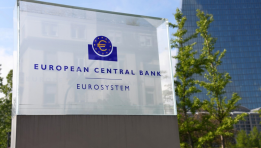
The European Central Bank's future interest-rate decisions will depend increasingly on whether the recent surge in energy costs feeds

- omer bar
- •
- 7 Min Read
- •
- ago 33 minutes
SKN | Hot October Inflation Report Rattles Markets as Fed Rate-Hike Expectations Strengthen
U.S. financial markets came under renewed pressure on November 10 after stronger-than-expected October inflation figures challenged expectations for monetary
- ago 33 minutes
- •
- 7 Min Read

U.S. financial markets came under renewed pressure on November 10 after stronger-than-expected October inflation figures challenged expectations for monetary

- sagi habasov
- •
- 6 Min Read
- •
- ago 1 hour
SKN | Fed Rate-Hike Expectations Jump as Persistent Inflation Opens Door to Larger December Move
Expectations for a larger Federal Reserve interest-rate increase in December rose sharply Tuesday after U.S. inflation data showed continued
- ago 1 hour
- •
- 6 Min Read
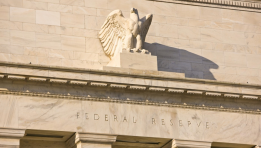
Expectations for a larger Federal Reserve interest-rate increase in December rose sharply Tuesday after U.S. inflation data showed continued

- orshu
- •
- 7 Min Read
- •
- ago 1 hour
SKN | European Markets Close Mixed as Eurozone Equities Advance While UK Stocks and Currencies Retreat
European financial markets closed November 10 with mixed performance, as gains across major eurozone equity benchmarks contrasted with declines
- ago 1 hour
- •
- 7 Min Read
European financial markets closed November 10 with mixed performance, as gains across major eurozone equity benchmarks contrasted with declines
