




- Lior mor
- •
- 7 Min Read
- •
- 15 hours ago


Key Points
- Barclays downgraded Dell Technologies, Hewlett Packard Enterprise and NetApp from Overweight to Equal Weight, citing stretched valuations and limited evidence of a meaningful acceleration in enterprise AI spending.
- On October 14, Dell shares fell approximately 11%, while HPE dropped around 8% and NetApp declined about 7%.
- Analysts warned that higher memory prices have supported hardware revenue, raising the risk of slower growth if component costs normalize before AI demand accelerates.
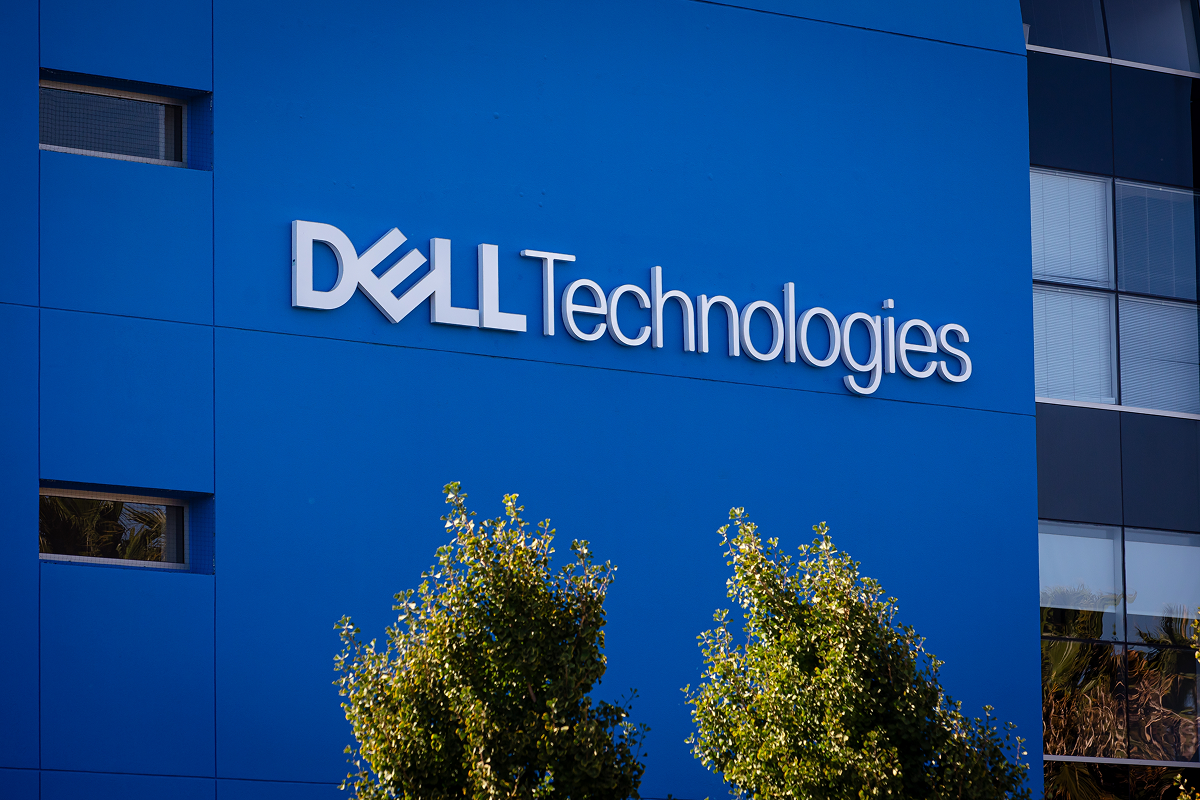
Shares of Dell Technologies, Hewlett Packard Enterprise (HPE) and NetApp tumbled on October 14 after Barclays lowered its ratings on all three companies, questioning whether enterprise spending on artificial intelligence can justify their substantial share-price gains. The downgrades arrived during a broader technology sell-off, as investors reassessed valuations, rising financing costs and the pace at which AI investment is translating into sustainable revenue growth.
Barclays Questions Whether AI Demand Justifies Valuations
Barclays analyst Tim Long reduced the bank’s ratings on Dell, HPE and NetApp from Overweight to Equal Weight, signaling a more cautious view of their potential performance relative to the broader market. Dell suffered the steepest decline, losing approximately 11% in the October 14 session. HPE fell around 8%, while NetApp dropped roughly 7%.
The move followed an exceptional rally in the three stocks during 2026. Before the sell-off, Dell had gained more than 300% since the beginning of the year, while HPE and NetApp had more than doubled. These gains raised the bar for future results, leaving the companies more vulnerable to any indication that earnings growth might fall short of investor expectations.
Barclays also lowered its price target for Dell to $574 from $603 and cut its target for HPE to $77 from $83. Its price target for NetApp remained unchanged at $219. The revisions reflect concerns about valuation and the timing of stronger AI-driven demand rather than a claim that the companies’ businesses are deteriorating across the board.
Memory Prices May Be Inflating Revenue Growth
A central concern is the contribution of higher memory prices to the companies’ recent financial performance. Rising component costs have enabled hardware suppliers to charge more for certain products, supporting reported revenue even without a comparable acceleration in underlying demand. Barclays argued that a meaningful shift in enterprise AI investment has yet to emerge, particularly among companies considering whether to build their own AI infrastructure.
If memory prices stabilize or decline, the resulting pressure on selling prices could slow revenue growth. This matters because investors have increasingly valued hardware companies on expectations of sustained AI-related expansion. Even if Dell and HPE continue to exceed near-term earnings estimates, smaller upside surprises could limit further share-price gains.
The distinction between higher prices and higher demand is particularly important for corporate technology spending. Companies may continue investing in servers, storage and computing capacity, but the pace and scale of those purchases will determine whether suppliers can maintain their current growth trajectories.
Enterprise AI Investment Remains the Critical Variable
The longer-term outlook is not uniformly negative. AI workloads require substantial computing infrastructure, and suppliers such as Dell and HPE remain positioned to benefit if businesses expand their use of AI applications. NetApp could also benefit as organizations manage growing volumes of data and storage requirements.
However, demand must translate into profitable orders rather than simply higher hardware prices. Investors will be watching upcoming earnings reports, management guidance, enterprise spending plans and changes in component costs to determine whether the sector’s valuation premium remains justified.
The next phase for these stocks will depend on whether AI investment broadens beyond major cloud providers and translates into sustained spending by corporate customers. If that transition accelerates, current concerns could ease. If adoption remains gradual while component prices normalize, revenue growth may moderate, putting pressure on valuations that have already incorporated substantial optimism.
Comparison, examination, and analysis between investment houses
Leave your details, and an expert from our team will get back to you as soon as possible
* This article, in whole or in part, does not contain any promise of investment returns, nor does it constitute professional advice to make investments in any particular field.
To read more about the full disclaimer, click here
- sagi habasov
- •
- 6 Min Read
- •
- ago 13 minutes
SKN | Market Selloff and Rising Rates Put AI Data Centre Deal Boom to the Test
A global market selloff is creating a tougher financing environment for companies building the infrastructure required to support artificial
- ago 13 minutes
- •
- 6 Min Read

A global market selloff is creating a tougher financing environment for companies building the infrastructure required to support artificial

- Ronny Mor
- •
- 7 Min Read
- •
- ago 11 hours
SKN | Global Chip Sell-Off Deepens as South Korea’s KOSPI Plunges 8%, Triggering a Trading Halt
The global semiconductor sell-off intensified on October 15, sending South Korea’s benchmark KOSPI down 8% and triggering a temporary trading
- ago 11 hours
- •
- 7 Min Read
The global semiconductor sell-off intensified on October 15, sending South Korea’s benchmark KOSPI down 8% and triggering a temporary trading
- sagi habasov
- •
- 7 Min Read
- •
- ago 14 hours
SKN | Kraken Parent Payward to Acquire European Bank, Expanding Into Deposits and Lending
Payward, the parent company of cryptocurrency exchange Kraken, has agreed to acquire Saldo Bank, a digital bank licensed in Lithuania,
- ago 14 hours
- •
- 7 Min Read

Payward, the parent company of cryptocurrency exchange Kraken, has agreed to acquire Saldo Bank, a digital bank licensed in Lithuania,

- omer bar
- •
- 6 Min Read
- •
- ago 15 hours
SKN | Netflix to Cut Around 1,000 Jobs as Viewer Competition and Growth Concerns Intensify
Netflix plans to lay off approximately 1,000 employees, or around 6% of its global workforce, as it seeks to adapt
- ago 15 hours
- •
- 6 Min Read

Netflix plans to lay off approximately 1,000 employees, or around 6% of its global workforce, as it seeks to adapt
