




- sagi habasov
- •
- 6 Min Read
- •
- 4 minutes ago


Key Points
- A market selloff is forcing companies behind the AI infrastructure boom to delay fundraising plans or accept higher capital costs.
- Rising interest rates are prompting investors to reassess valuations and expected returns across the data centre sector.
- Transactions involving assets such as Bain-backed businesses and AirTrunk highlight continued deal activity despite tougher financing conditions.

A global market selloff is creating a tougher financing environment for companies building the infrastructure required to support artificial intelligence, as rising interest rates increase the cost of capital and investors demand stronger evidence of future returns. The shift is testing a data centre investment boom that has been driven by rapidly growing demand for computing power, land and energy.
AI Infrastructure Faces Higher Funding Costs
Companies involved in the AI infrastructure buildout are increasingly confronting a difficult combination of higher borrowing costs and elevated capital requirements. The market downturn is forcing some businesses to delay planned listings or fundraising efforts, while others may need to accept more expensive financing to continue expanding.
The change represents a significant test for companies whose growth strategies depend on substantial upfront spending. Data centres require major investment in computing infrastructure, land and energy capacity, meaning financing conditions can have a direct influence on the pace and economics of expansion.
Investors Reassess Data Centre Valuations
The latest market moves indicate that investors are becoming more selective about the valuations assigned to businesses supporting the AI boom. The central question is increasingly whether the companies building this infrastructure can generate returns sufficient to justify the scale of spending required.
Rising interest rates make that calculation more demanding. Higher financing costs can reduce projected returns and place greater pressure on businesses to demonstrate strong customer demand and sustainable cash generation. As a result, companies may face greater scrutiny over their capital expenditure plans and the assumptions underpinning their valuations.
Deal Activity Continues Despite Market Pressure
The tougher funding environment has not eliminated deal activity. According to the Reuters report, Bain is attracting bids for its business development company interests, while AirTrunk is nearing a potential sale of its Johor assets, according to sources cited in the report.
These developments illustrate the distinction between a weaker fundraising environment and a complete shutdown in transactions. Strategic investors may continue pursuing data centre assets where long-term demand for computing capacity remains compelling, even as public-market valuations and financing conditions become less supportive.
Returns Become the Central Test
The broader issue for investors is whether the enormous spending required to expand AI computing capacity can ultimately translate into adequate financial returns. Demand for data centre capacity may remain strong, but higher costs for capital, land and energy increase the importance of disciplined investment decisions and transaction pricing.
Going forward, investors will monitor postponed listings, debt-financing costs and valuations across the data centre industry for evidence of whether the recent market pressure is temporary or represents a broader repricing of AI infrastructure assets. The ability of operators and investors to secure financing while demonstrating attractive long-term economics will be critical. If funding conditions remain restrictive, deal structures could change, transactions could take longer to complete and capital may increasingly favor infrastructure projects with clearer revenue visibility and stronger financial profiles.
Comparison, examination, and analysis between investment houses
Leave your details, and an expert from our team will get back to you as soon as possible
* This article, in whole or in part, does not contain any promise of investment returns, nor does it constitute professional advice to make investments in any particular field.
To read more about the full disclaimer, click here
- Ronny Mor
- •
- 6 Min Read
- •
- ago 3 minutes
SKN | Wall Street Banks Face Capital Markets Lull After Strong First Half of 2026
Wall Street’s largest banks are entering the second half of 2026 with a more cautious capital-markets backdrop after a
- ago 3 minutes
- •
- 6 Min Read

Wall Street’s largest banks are entering the second half of 2026 with a more cautious capital-markets backdrop after a
- Ronny Mor
- •
- 7 Min Read
- •
- ago 11 hours
SKN | Global Chip Sell-Off Deepens as South Korea’s KOSPI Plunges 8%, Triggering a Trading Halt
The global semiconductor sell-off intensified on October 15, sending South Korea’s benchmark KOSPI down 8% and triggering a temporary trading
- ago 11 hours
- •
- 7 Min Read
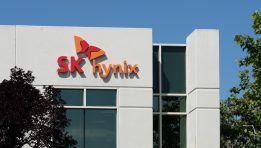
The global semiconductor sell-off intensified on October 15, sending South Korea’s benchmark KOSPI down 8% and triggering a temporary trading

- sagi habasov
- •
- 7 Min Read
- •
- ago 14 hours
SKN | Kraken Parent Payward to Acquire European Bank, Expanding Into Deposits and Lending
Payward, the parent company of cryptocurrency exchange Kraken, has agreed to acquire Saldo Bank, a digital bank licensed in Lithuania,
- ago 14 hours
- •
- 7 Min Read

Payward, the parent company of cryptocurrency exchange Kraken, has agreed to acquire Saldo Bank, a digital bank licensed in Lithuania,

- omer bar
- •
- 6 Min Read
- •
- ago 14 hours
SKN | Netflix to Cut Around 1,000 Jobs as Viewer Competition and Growth Concerns Intensify
Netflix plans to lay off approximately 1,000 employees, or around 6% of its global workforce, as it seeks to adapt
- ago 14 hours
- •
- 6 Min Read

Netflix plans to lay off approximately 1,000 employees, or around 6% of its global workforce, as it seeks to adapt
