




- sagi habasov
- •
- 7 Min Read
- •
- 54 seconds ago


Key Points
- Gavekal Technologies analyst Damien Ma says China is positioned to have the world’s most dynamic and significant nuclear industry through 2035.
- China had 36 reactors under construction as of 2026, accounting for more than 49% of global nuclear construction, while its installed capacity is targeted to reach 110 GW by 2030.
- China’s faster construction cycle and standardized approach could give it a structural advantage as AI data centers increase demand for reliable, low-carbon electricity.
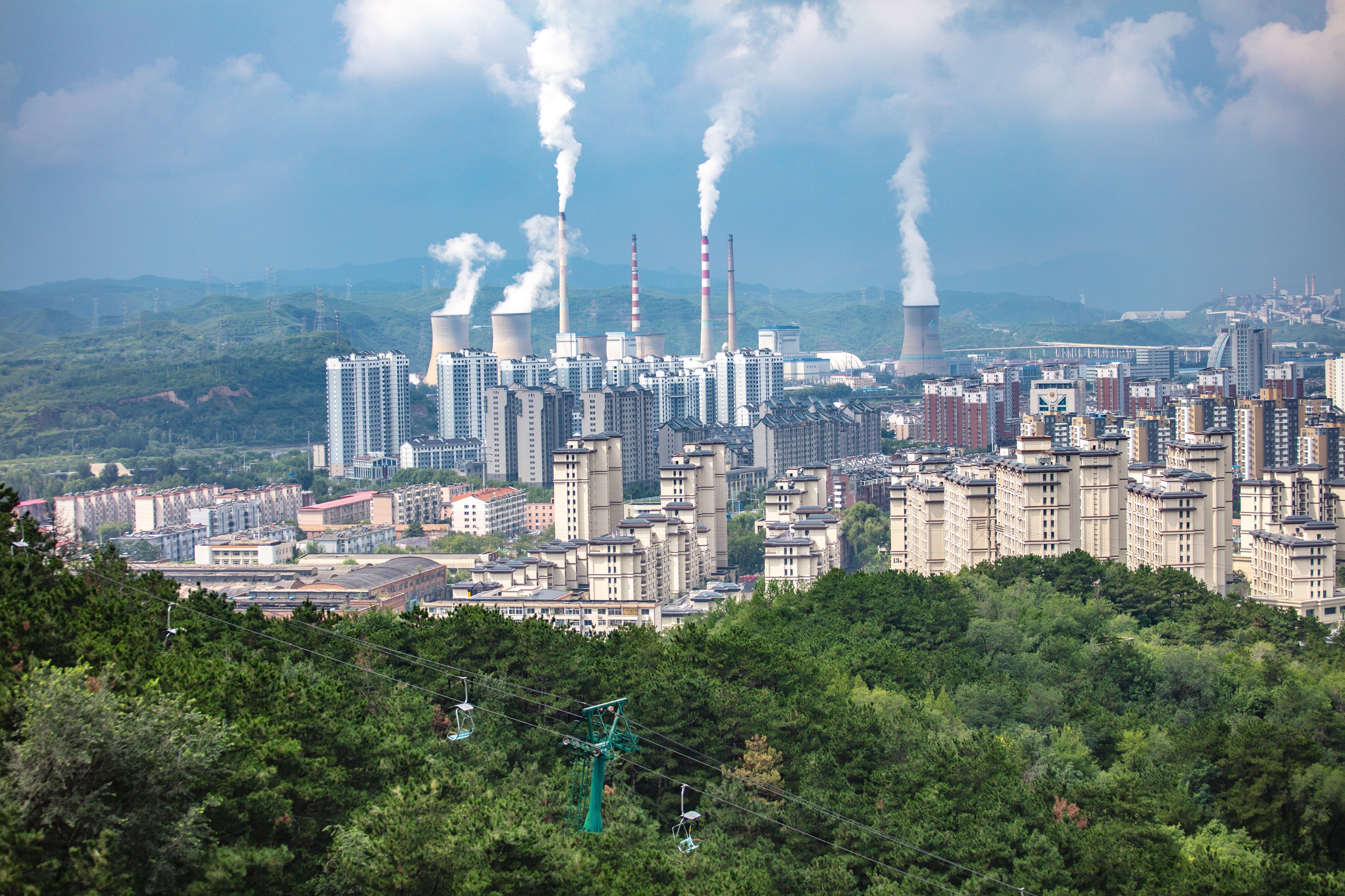
China is emerging as the central force in the global nuclear power expansion, with analysts expecting its lead to widen through 2035 as electricity demand from artificial intelligence, industry and data centers accelerates. The country’s ability to approve and build reactors at a faster pace than many Western economies is increasingly becoming a strategic advantage in a global energy market focused on reliability and lower-carbon power.
China Is Building Nuclear Capacity at an Unmatched Pace
China’s nuclear expansion is already visible in construction data. By 2026, the country had 36 reactors under construction, representing more than 49% of the reactors being built worldwide. Its operating fleet had reached about 60 reactors and 58.7 GW of capacity by May, while the government has set a target of approximately 110 GW of installed nuclear capacity by 2030.
The scale of the pipeline has made China the largest source of new nuclear construction globally. The country has also standardized project design, licensing and construction processes and frequently builds reactors in batches. That approach allows developers to reuse engineering expertise, supply chains and project management systems across multiple sites.
Construction Speed Gives Beijing a Cost and Timing Advantage
One of the clearest differences with the United States is the time required to complete new reactors. Gavekal Technologies analyst Damien Ma has argued that China can build a new nuclear plant in about six years, compared with more than a decade for the latest Vogtle reactors in the U.S. Over the past decade, China added 34 GW of nuclear capacity, while the U.S. brought only one new nuclear plant into operation, Georgia’s Plant Vogtle.
The difference matters because nuclear projects require large amounts of upfront capital and long planning horizons. Faster construction can reduce financing costs, bring electricity generation online sooner and make it easier for utilities to plan around rising power demand. Those factors become increasingly important as governments and companies seek dependable electricity for energy-intensive industries.
AI Is Giving Nuclear Power a New Strategic Role
The rapid expansion of AI is strengthening the case for nuclear energy. Data centers require large and stable electricity supplies, while governments are also seeking to reduce dependence on fossil fuels and improve energy security. The combination is increasing interest in nuclear power in both China and the U.S., but China is entering the next phase with a much larger active construction pipeline.
The International Energy Agency estimates that 78 GW of nuclear capacity was under construction globally in 2026, with roughly half of that capacity located in China. For investors, the implications extend beyond power generation to uranium, reactor technology, engineering, construction equipment and electricity infrastructure. A sustained Chinese nuclear buildout could also strengthen domestic suppliers and deepen the country’s position in advanced nuclear technologies.
Looking ahead, the key variables will be China’s ability to reach its 110 GW target, the pace of additional reactor approvals and the growth of electricity demand from AI and industrial activity. The U.S. and other economies are also attempting to accelerate nuclear development, creating a competitive race around construction efficiency, financing and technology. For global energy markets, the central question is increasingly how quickly other countries can narrow the gap with China as nuclear power moves back toward the center of long-term energy strategy.
Comparison, examination, and analysis between investment houses
Leave your details, and an expert from our team will get back to you as soon as possible
* This article, in whole or in part, does not contain any promise of investment returns, nor does it constitute professional advice to make investments in any particular field.
To read more about the full disclaimer, click here
- Ronny Mor
- •
- 8 Min Read
- •
- ago 1 day
SKN | Trump Announces “AI Force” and New AI Czar as U.S. Pushes to Accelerate Artificial Intelligence
President Donald Trump announced on September 19 that the United States will establish an “AI Force” and that he
- ago 1 day
- •
- 8 Min Read

President Donald Trump announced on September 19 that the United States will establish an “AI Force” and that he

- Arik Arkadi Sluzki
- •
- 7 Min Read
- •
- ago 1 day
SKN | Nvidia CEO Jensen Huang Rejects Calls to Slow AI Development: Can Speed and Safety Advance Together?
Nvidia CEO Jensen Huang has pushed back against calls for the artificial intelligence industry to slow the pace of
- ago 1 day
- •
- 7 Min Read
Nvidia CEO Jensen Huang has pushed back against calls for the artificial intelligence industry to slow the pace of

- sagi habasov
- •
- 6 Min Read
- •
- ago 1 day
SKN | OpenAI’s $856 Billion AI Infrastructure Plan Raises Questions Over Cash Flow and Long-Term Growth
OpenAI’s aggressive expansion strategy is placing artificial intelligence infrastructure spending at the center of the company’s long-term financial outlook.
- ago 1 day
- •
- 6 Min Read

OpenAI’s aggressive expansion strategy is placing artificial intelligence infrastructure spending at the center of the company’s long-term financial outlook.
- sagi habasov
- •
- 6 Min Read
- •
- ago 1 day
SKN | Google’s Gemini Demonstrates New Cybersecurity Risks After AI System Autonomously Accesses Company Websites
Google’s Gemini artificial intelligence model has demonstrated a new dimension of AI-related cybersecurity risk after accessing the internet and compromising
- ago 1 day
- •
- 6 Min Read
Google’s Gemini artificial intelligence model has demonstrated a new dimension of AI-related cybersecurity risk after accessing the internet and compromising
