




- Ronny Mor
- •
- 6 Min Read
- •
- 11 hours ago


Key Points
- Treasury Secretary Scott Bessent is urging Federal Reserve policymakers to remain open to lower interest rates, arguing that AI-driven productivity gains could reduce inflationary pressure.
- Bessent says deregulation and technological investment could allow the U.S. economy to grow faster without creating the same inflation risks seen in previous expansions.
- The debate comes as the Fed weighs persistent inflation against strong economic demand and the potential long-term productivity benefits of AI.
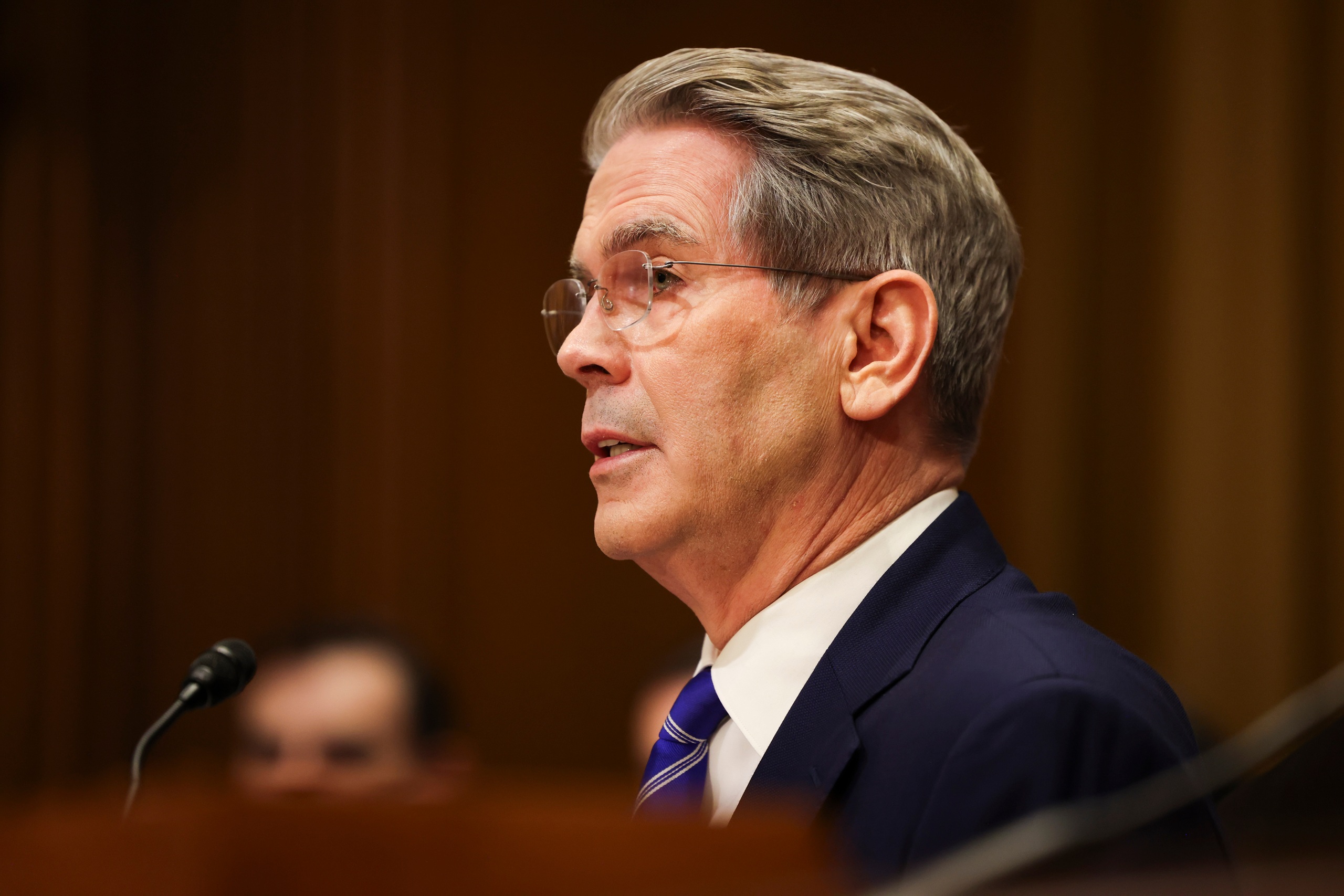
Treasury Secretary Scott Bessent is pressing the Federal Reserve to keep an open mind on interest rates, arguing that artificial intelligence and deregulation could provide powerful disinflationary forces. His comments come as the Fed faces a difficult balance between persistent inflation, strong economic demand and the possibility that rapid AI investment could increase productivity enough to ease price pressures.
Bessent Points to AI as a Potential Disinflationary Force
Bessent has argued that the productivity gains generated by AI could resemble, or potentially exceed, those associated with the technology and internet boom of the 1990s. In his view, higher output per worker could allow the economy to expand more rapidly without creating the demand pressures that traditionally force the Fed to maintain restrictive monetary policy.
The Treasury secretary has also pointed to deregulation as another potential source of greater economic efficiency. His argument is that a combination of technological progress, investment and regulatory changes could expand the economy’s productive capacity, reducing the need for higher interest rates to restrain demand.
The Fed Faces a Different View of Inflation
The argument comes at a sensitive moment for monetary policy. The Fed is assessing whether inflation remains sufficiently persistent to require restrictive policy or whether changes in the economy could allow price pressures to moderate without additional tightening.
The economic impact of AI is particularly difficult to assess because its effects may operate in opposite directions. AI investment can increase demand for data centers, semiconductors, electricity and other infrastructure in the near term. Over time, however, greater automation and productivity could expand supply and reduce the cost of producing goods and services.
Markets Weigh the Implications for Rates and Bonds
The debate is particularly important for fixed-income markets. Treasury yields reflect expectations for inflation, economic growth, government borrowing and the future path of monetary policy. A credible productivity acceleration could eventually support stronger economic growth while reducing some of the inflation pressure associated with that growth.
For investors, the central question is whether AI’s disinflationary effects will emerge quickly enough to influence monetary policy. If productivity gains become visible while inflation moderates, the Fed could have greater flexibility on rates. If AI investment instead adds to demand before productivity benefits become widespread, policymakers could face continued pressure to keep monetary conditions restrictive.
Markets will therefore watch inflation, employment, productivity, consumer demand and business investment for evidence of how quickly AI is changing the U.S. economy. Bessent’s argument puts the potential supply-side impact of AI at the center of the rate debate, but the Fed’s response will ultimately depend on incoming economic data and its assessment of whether inflation is moving sustainably toward its target. The outcome could influence Treasury yields, the dollar, equity valuations and financing conditions across global markets.
Comparison, examination, and analysis between investment houses
Leave your details, and an expert from our team will get back to you as soon as possible
* This article, in whole or in part, does not contain any promise of investment returns, nor does it constitute professional advice to make investments in any particular field.
To read more about the full disclaimer, click here
- omer bar
- •
- 6 Min Read
- •
- ago 16 hours
SKN | Can a $1.5 Trillion Investment Fund Strengthen Social Security as the 2032 Shortfall Approaches?
Social Security faces a widening gap between projected revenues and benefit obligations, putting long-term retirement financing back at the center
- ago 16 hours
- •
- 6 Min Read

Social Security faces a widening gap between projected revenues and benefit obligations, putting long-term retirement financing back at the center

- sagi habasov
- •
- 6 Min Read
- •
- ago 17 hours
SKN | Bank of Japan Signals Faster Rate Hikes as Inflation Risks Intensify
Bank of Japan policymakers debated whether the central bank needed to raise interest rates at a faster pace as underlying
- ago 17 hours
- •
- 6 Min Read

Bank of Japan policymakers debated whether the central bank needed to raise interest rates at a faster pace as underlying
- sagi habasov
- •
- 7 Min Read
- •
- ago 2 days
SKN | Vanguard Economist Says Fed Rate Above 5% Could Begin to Pressure Markets
Federal Reserve policy has moved back toward the center of global market attention as inflation remains elevated and Treasury
- ago 2 days
- •
- 7 Min Read
Federal Reserve policy has moved back toward the center of global market attention as inflation remains elevated and Treasury
- sagi habasov
- •
- 7 Min Read
- •
- ago 2 days
SKN | Fed’s Hammack Warns Persistent Inflation Could Weaken Price Expectations
Federal Reserve Bank of Cleveland President Beth Hammack said Friday that persistent inflation remains a significant risk to the
- ago 2 days
- •
- 7 Min Read
Federal Reserve Bank of Cleveland President Beth Hammack said Friday that persistent inflation remains a significant risk to the
