





- omer bar
- •
- 6 Min Read
- •
- 20 seconds ago


Key Points
- BlackRock CEO Larry Fink is backing a bipartisan proposal to create a new investment fund with an initial $1.5 trillion allocation to support Social Security over the long term.
- The proposed fund would invest in a diversified portfolio of stocks and bonds for 75 years while the U.S. Treasury continues funding Social Security benefits during the interim period.
- The Congressional Budget Office projects that the Social Security Old-Age and Survivors Insurance trust fund will be depleted in 2032, creating a major funding challenge under current law.

Social Security faces a widening gap between projected revenues and benefit obligations, putting long-term retirement financing back at the center of the U.S. economic debate. BlackRock CEO Larry Fink is supporting a proposal for a new $1.5 trillion investment fund, while the Congressional Budget Office projects that the existing Old-Age and Survivors Insurance trust fund will be depleted in 2032.
A $1.5 Trillion Proposal for Long-Term Social Security Funding
The proposal backed by Fink was developed by Senators Bill Cassidy, Republican of Louisiana, and Tim Kaine, Democrat of Virginia. Rather than replacing the existing Social Security trust fund, the plan would establish a separate investment fund designed to invest in a diversified portfolio of stocks and bonds and generate returns over an extended period.
The proposed fund would receive an initial allocation of approximately $1.5 trillion and would have 75 years to grow. During that period, the Treasury would continue funding Social Security benefits. Once the fund matures, it would return funds to the Treasury and provide an additional source of financing to supplement the system’s payroll-tax revenues.
CBO Projects a Major Funding Gap by 2032
The proposal comes as Social Security faces a significant financial challenge. The CBO projects that the balance of the Old-Age and Survivors Insurance, or OASI, trust fund will reach zero in fiscal year 2032. Under current law, the system would then lack sufficient resources to pay all scheduled benefits on time.
If benefit payments were limited to available revenues after the trust fund is depleted, the CBO estimates that benefits would need to be reduced by an average of 28% during 2033–2036, before accounting for economic effects. The projection highlights the gap between the timing of the funding problem and the 75-year horizon envisioned for the proposed investment fund.
Balancing Investment Returns, Risk and Government Financing
Fink has emphasized that the proposal would not privatize Social Security or move the system’s existing assets entirely into equities. Instead, the plan would add a diversified investment component alongside the existing safety-net structure. BlackRock has pointed to public retirement systems that invest assets in financial markets over long periods as examples of how such an approach could operate.
Critics of the proposal argue that financing the fund through government borrowing would not, by itself, eliminate the structural gap between Social Security revenues and benefits. Investing in stocks and bonds would also introduce market risk that differs from the risk profile of a trust fund primarily invested in U.S. government securities.
Future debate is likely to focus on whether long-term market investments can be incorporated into Social Security without materially increasing financial risks or the federal debt burden. Investors will be watching congressional legislation, updated CBO projections and the continuing gap between Social Security revenues and benefit obligations. The central issue will be whether investment returns accumulated over 75 years can provide meaningful support for a funding problem that the current projections place much closer to the beginning of the next decade.
Comparison, examination, and analysis between investment houses
Leave your details, and an expert from our team will get back to you as soon as possible
* This article, in whole or in part, does not contain any promise of investment returns, nor does it constitute professional advice to make investments in any particular field.
To read more about the full disclaimer, click here
- sagi habasov
- •
- 6 Min Read
- •
- ago 40 minutes
SKN | Bank of Japan Signals Faster Rate Hikes as Inflation Risks Intensify
Bank of Japan policymakers debated whether the central bank needed to raise interest rates at a faster pace as underlying
- ago 40 minutes
- •
- 6 Min Read

Bank of Japan policymakers debated whether the central bank needed to raise interest rates at a faster pace as underlying
- sagi habasov
- •
- 7 Min Read
- •
- ago 1 day
SKN | Vanguard Economist Says Fed Rate Above 5% Could Begin to Pressure Markets
Federal Reserve policy has moved back toward the center of global market attention as inflation remains elevated and Treasury
- ago 1 day
- •
- 7 Min Read

Federal Reserve policy has moved back toward the center of global market attention as inflation remains elevated and Treasury
- sagi habasov
- •
- 7 Min Read
- •
- ago 1 day
SKN | Fed’s Hammack Warns Persistent Inflation Could Weaken Price Expectations
Federal Reserve Bank of Cleveland President Beth Hammack said Friday that persistent inflation remains a significant risk to the
- ago 1 day
- •
- 7 Min Read
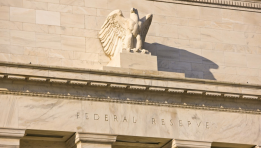
Federal Reserve Bank of Cleveland President Beth Hammack said Friday that persistent inflation remains a significant risk to the
- sagi habasov
- •
- 7 Min Read
- •
- ago 2 days
SKN | Wall Street Awaits Jobs and Inflation Data as Investors Reassess Fed Rate Path
Wall Street is entering a critical week as investors prepare for fresh employment and inflation data that could influence
- ago 2 days
- •
- 7 Min Read

Wall Street is entering a critical week as investors prepare for fresh employment and inflation data that could influence

