




- sagi habasov
- •
- 7 Min Read
- •
- 2 months ago


Key Points
- Cleveland Fed President Beth Hammack warned that prolonged above-target inflation could cause households and businesses to become accustomed to higher prices.
- Hammack said the Federal Reserve should maintain a restrictive monetary policy stance to help return inflation to its 2% target.
- Inflation expectations remain contained so far, but policymakers are monitoring the risk that persistent price pressures could become embedded in economic behavior.
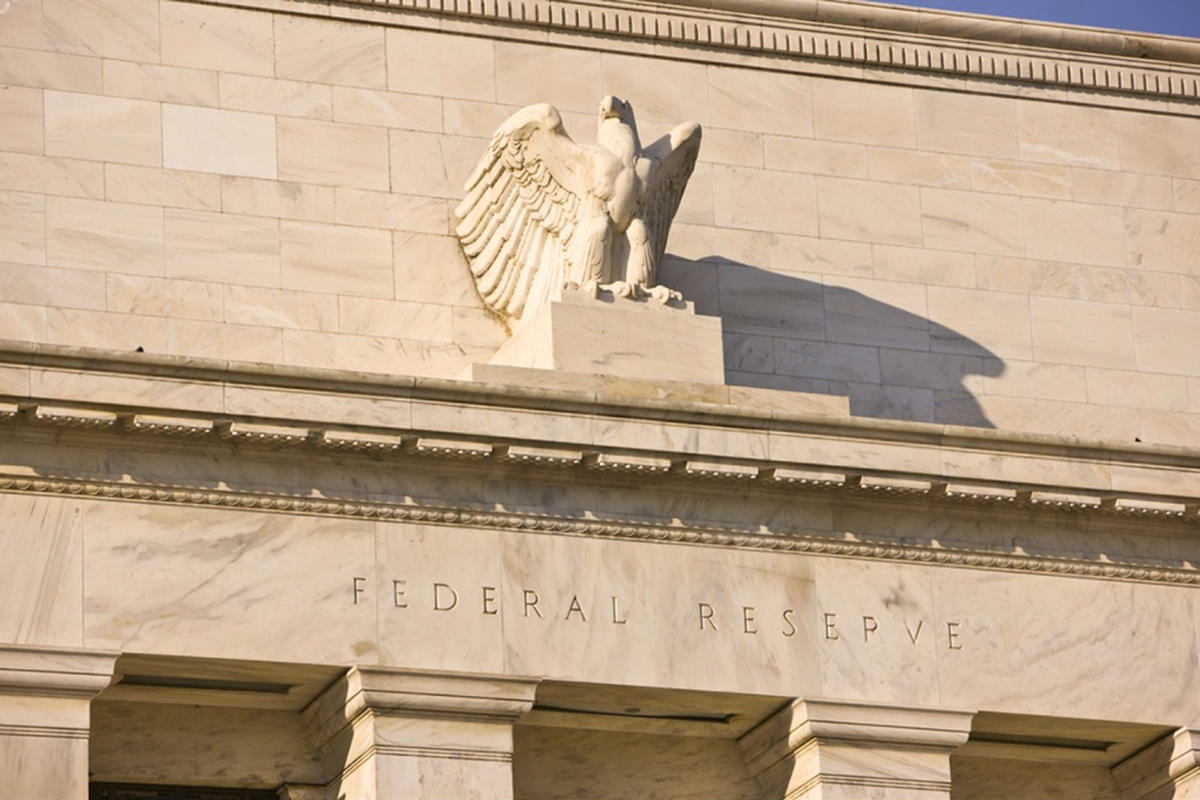
Federal Reserve Bank of Cleveland President Beth Hammack said Friday that persistent inflation remains a significant risk to the US economy, particularly if households and businesses begin treating elevated prices as normal. Her comments reinforce the Federal Reserve’s focus on preventing inflation expectations from becoming less anchored as policymakers assess the appropriate path for monetary policy.
Hammack made the remarks during the Federal Reserve Bank of Cleveland’s Inflation: Drivers and Dynamics Conference, held September 24–25. The event brought together policymakers and economists to examine inflation dynamics, including the effects of relative price shocks and tariffs.
Hammack Focuses on the Risk of an Inflationary Mindset
Hammack said the biggest inflation risk she currently sees is that an “inflationary mindset” could become established after inflation has remained above the Federal Reserve’s objective for more than five years. Her concern is that persistent price increases could gradually influence wage negotiations, business pricing decisions and consumer expectations, making inflation more difficult to bring back toward the central bank’s target.
The Cleveland Fed president has previously emphasized the importance of preventing inflation expectations from becoming unanchored. In June, she said that increases in inflation expectations threatening the Fed’s 2% objective would warrant decisive action, while warning that waiting for definitive evidence of embedded inflation could require larger policy adjustments later.
Restrictive Policy Remains Central to Inflation Strategy
Hammack said monetary policy needs to remain at a restrictive stance to help bring inflation back to target. Her position reflects the broader challenge facing the Federal Reserve: policymakers must weigh continuing inflation pressures against risks to employment and economic growth.
Earlier this year, Hammack said economic activity remained resilient while inflation pressures were broad-based, with higher oil prices adding another potential source of inflation. She also identified financial conditions, consumer spending and labor-market developments as important factors for assessing the outlook.
Her latest comments therefore point to the importance of incoming inflation and economic data rather than a predetermined policy path. The Federal Reserve’s objective remains restoring price stability while maintaining conditions consistent with maximum employment.
Inflation Expectations Remain Contained for Now
Despite her concerns, Hammack indicated that inflation expectations remain contained at present. That distinction is important for monetary policy because expectations can influence actual inflation through decisions made by consumers, workers and companies.
The Cleveland Fed has been monitoring these developments through its Survey of Firms’ Inflation Expectations. The central bank reported in May that inflation expectations among US business leaders increased during the second quarter of 2026, highlighting why policymakers continue to track how companies perceive future price pressures.
Markets Watch the Fed’s Inflation Response
For financial markets, the debate over inflation expectations has direct implications for interest rates, Treasury yields and asset valuations. If inflation remains persistent, expectations for restrictive monetary policy could remain elevated, potentially keeping pressure on longer-term borrowing costs.
Going forward, investors will watch inflation readings, wage and spending trends, energy prices and measures of inflation expectations for evidence of whether price pressures are becoming more persistent. The Fed’s ability to keep expectations anchored while balancing inflation against employment risks will remain central to the direction of US monetary policy and global financial markets.
Comparison, examination, and analysis between investment houses
Leave your details, and an expert from our team will get back to you as soon as possible
* This article, in whole or in part, does not contain any promise of investment returns, nor does it constitute professional advice to make investments in any particular field.
To read more about the full disclaimer, click here
- sagi habasov
- •
- 7 Min Read
- •
- ago 12 hours
SKN | Fed’s Warsh Weighs AI’s Impact as U.S. Grows Wary of the Technology Boom
The Federal Reserve is taking a closer look at the economic consequences of artificial intelligence as the technology’s rapid
- ago 12 hours
- •
- 7 Min Read

The Federal Reserve is taking a closer look at the economic consequences of artificial intelligence as the technology’s rapid

- Ronny Mor
- •
- 6 Min Read
- •
- ago 12 hours
SKN | Dollar Heads for Strongest Week in Two Months as Yen Nears 160
The U.S. dollar is heading toward its strongest weekly performance in two months as investors increase expectations for Federal
- ago 12 hours
- •
- 6 Min Read

The U.S. dollar is heading toward its strongest weekly performance in two months as investors increase expectations for Federal
- sagi habasov
- •
- 7 Min Read
- •
- ago 12 hours
SKN | U.S. Bank Overdraft Fees Reach Four-Year High as Consumer Credit Risks Emerge
U.S. banks collected $1.6 billion in overdraft fees in the third quarter, marking the highest quarterly amount in four
- ago 12 hours
- •
- 7 Min Read

U.S. banks collected $1.6 billion in overdraft fees in the third quarter, marking the highest quarterly amount in four
- Ronny Mor
- •
- 8 Min Read
- •
- ago 13 hours
SKN | US Layoff Announcements Fall 71% in October, but Economic Pressures Remain a Concern
U.S. employers announced substantially fewer job cuts in October, offering evidence that the pace of corporate workforce reductions has
- ago 13 hours
- •
- 8 Min Read

U.S. employers announced substantially fewer job cuts in October, offering evidence that the pace of corporate workforce reductions has
