




- sagi habasov
- •
- 7 Min Read
- •
- 5 minutes ago


Key Points
- Fed Chair Kevin Warsh will host a public forum examining AI’s effects on inflation, employment, productivity and financial stability.
- The Fed is confronting a difficult balance as historic AI investment supports U.S. growth while also contributing to higher prices and raising concerns over future job displacement.
- Officials are increasingly focused on whether AI’s promised productivity gains will arrive quickly enough to offset the economic and social costs of the transition.
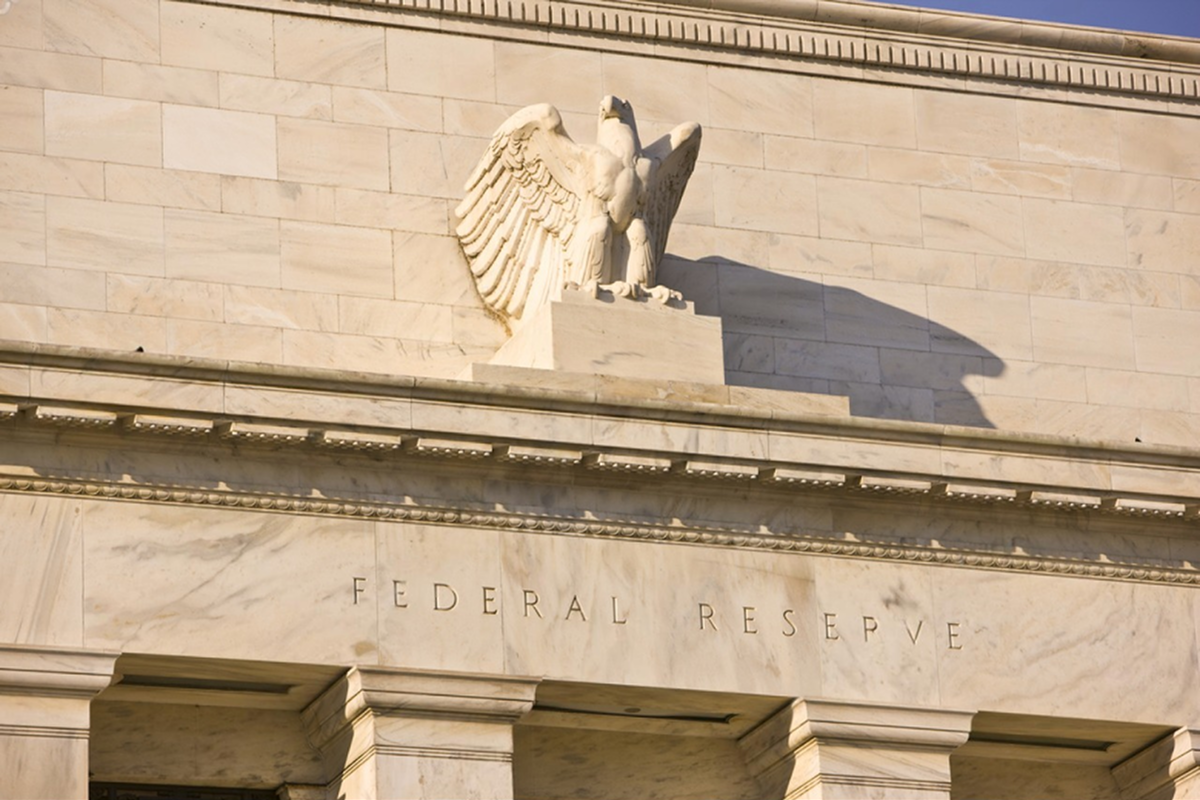
The Federal Reserve is taking a closer look at the economic consequences of artificial intelligence as the technology’s rapid expansion increasingly creates both opportunities and risks for the U.S. economy. Fed Chair Kevin Warsh will convene a public forum in San Francisco on Monday to examine how AI could influence inflation, employment, productivity and financial stability as public concerns over the technology grow.
Fed Turns to AI at a Critical Economic Moment
The forum is the only scheduled public event among five task forces Warsh established earlier this year to examine issues considered important to the Federal Reserve. Its timing is significant: trillions of dollars are being directed toward data centers and related infrastructure, while the technology is simultaneously generating concerns about employment, inequality, financial markets and national security.
Warsh has previously described AI as a “hinge point in history”, reflecting expectations that the technology could significantly reshape the economy. Yet his assessment has become more nuanced since taking the Fed’s leadership in May, as the timing and scale of AI’s productivity benefits remain uncertain.
AI Investment Is Supporting Growth but Raising Prices
One of the central challenges for policymakers is that AI’s potential long-term effect on inflation differs from its current impact. Higher productivity could eventually reduce production costs and create greater economic capacity, potentially easing price pressures. In the short term, however, the enormous investment required to build AI infrastructure is contributing to stronger demand and higher prices.
Richmond Fed President Tom Barkin recently described the scale of AI investment as historic, comparing it with major infrastructure transformations such as railroads and interstate highways. He also warned that if such investment fails to generate expected returns and companies subsequently reduce spending, the economic consequences could be significant.
Employment Risks Become Harder to Ignore
Labor-market disruption has become another major focus. Fed Governor Lisa Cook has warned that AI could produce at least a temporary increase in unemployment and potentially raise the underlying level of joblessness. Governor Michael Barr similarly said the United States should prepare for serious short-term disruption depending on how quickly AI is deployed and whether businesses of different sizes can access the technology.
The potential impact ranges from broad productivity gains to a more difficult transition characterized by persistent underemployment. That uncertainty makes the pace of adoption particularly important for monetary policymakers attempting to assess employment and inflation conditions in real time.
Technology’s Broader Risks Enter the Policy Debate
Warsh’s task force includes technology and economics experts, including Marc Andreessen, who chairs the AI-focused group, Stanford economist Chad Jones and Microsoft’s Asha Sharma. Their discussions are expected to examine how AI deployment could affect productivity and jobs, while the wider forum will bring together stakeholders to consider the technology’s implications for the economy and labor market.
The debate now extends well beyond productivity. Concerns include local opposition to data-center construction, possible financial-market stress from increasingly complex AI financing structures, inequality and national-security risks. For the Fed, the critical question is whether AI ultimately delivers the productivity gains expected by its proponents and, importantly, when those gains become large enough to influence inflation and employment.
As the Fed evaluates the technology, markets will be watching for evidence that could change assumptions about the AI investment cycle and its economic consequences. The trajectory of data-center spending, productivity, wages and employment will be particularly important. How quickly AI transforms the real economy may determine whether the technology becomes a durable source of disinflationary growth or creates a more complicated transition for monetary policy.
Comparison, examination, and analysis between investment houses
Leave your details, and an expert from our team will get back to you as soon as possible
* This article, in whole or in part, does not contain any promise of investment returns, nor does it constitute professional advice to make investments in any particular field.
To read more about the full disclaimer, click here
- Ronny Mor
- •
- 6 Min Read
- •
- ago 5 minutes
SKN | Dollar Heads for Strongest Week in Two Months as Yen Nears 160
The U.S. dollar is heading toward its strongest weekly performance in two months as investors increase expectations for Federal
- ago 5 minutes
- •
- 6 Min Read

The U.S. dollar is heading toward its strongest weekly performance in two months as investors increase expectations for Federal

- orshu
- •
- 7 Min Read
- •
- ago 6 minutes
SKN | Microsoft Outlook and Teams Outage Eases After More Than a Day of Global Disruption
A global outage affecting Microsoft Outlook, Teams and related services began easing Friday after more than a day of
- ago 6 minutes
- •
- 7 Min Read

A global outage affecting Microsoft Outlook, Teams and related services began easing Friday after more than a day of

- Arik Arkadi Sluzki
- •
- 6 Min Read
- •
- ago 7 minutes
SKN | Cerebras Shares Surge as Higher Forecast and Surprise Profit Ease AI Spending Concerns
Cerebras Systems shares surged in early trading Friday after the AI chipmaker raised its annual sales forecast and delivered
- ago 7 minutes
- •
- 6 Min Read

Cerebras Systems shares surged in early trading Friday after the AI chipmaker raised its annual sales forecast and delivered

- sagi habasov
- •
- 7 Min Read
- •
- ago 7 minutes
SKN | U.S. Bank Overdraft Fees Reach Four-Year High as Consumer Credit Risks Emerge
U.S. banks collected $1.6 billion in overdraft fees in the third quarter, marking the highest quarterly amount in four
- ago 7 minutes
- •
- 7 Min Read

U.S. banks collected $1.6 billion in overdraft fees in the third quarter, marking the highest quarterly amount in four
