




- sagi habasov
- •
- 6 Min Read
- •
- 50 seconds ago


Key Points
- The U.S. dollar held near a one-month peak on Thursday, November 12, supported by elevated Treasury yields and sticky October U.S. consumer inflation that reduced bets on near-term Federal Reserve rate cuts.
- The Japanese yen traded near 159.77 per dollar—just shy of the psychologically sensitive 160 threshold—prompting renewed verbal intervention warnings from Tokyo’s top currency diplomat.
- For international allocators and Israeli institutional desks, widening trans-Pacific yield spreads reinforce dollar carry appeal while elevating tactical reversal risks across currency markets.
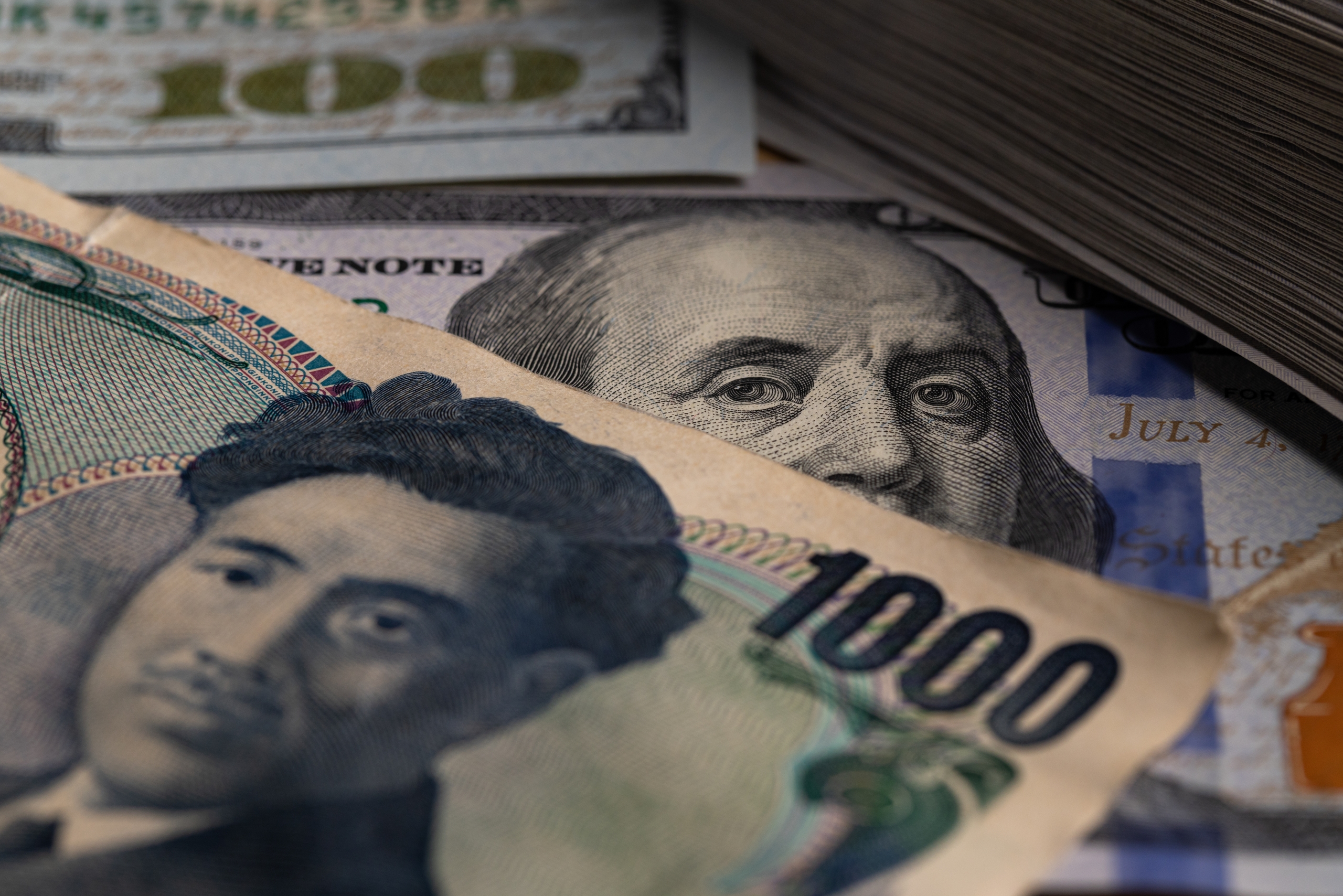
The U.S. dollar held steady near a one-month high against a basket of major currencies on Thursday, November 12, 2026, underpinned by resilient American inflation data and elevated sovereign yields. Meanwhile, the Japanese yen hovered near 159.77 per dollar—just below the closely watched 160 threshold—keeping global foreign-exchange desks on high alert for potential intervention by Tokyo.
Hawkish Fed Expectations Anchor Greenback Momentum Across G10 Pairs
The greenback’s broad advance reflects a decisive recalibration in global interest-rate expectations following this week’s firmer-than-forecast U.S. October Consumer Price Index print. With headline prices rising 0.4% month-on-month and core inflation advancing 0.3%, fixed-income traders scaled back expectations for near-term Federal Reserve monetary easing, keeping benchmark 10-year Treasury yields elevated near 4.90%. Against major European peers, the euro traded near $1.1099 and sterling hovered around $1.3280, while commodity-linked currencies such as the Australian dollar softened to $0.6845 as yield differentials favored U.S. dollar assets.
Nowhere is this monetary divergence more pronounced than in the dollar-yen pair, which briefly touched 159.94 before stabilizing in the upper-159 range. Despite Bank of Japan data on Thursday confirming that domestic wholesale inflation accelerated to 7.1% year-on-year in October, the wide gap between U.S. policy rates and Japan’s 1.25% benchmark continues to incentivize carry flows. Even with swap markets pricing in a strong likelihood of a Bank of Japan rate hike next month, the immediate yield advantage remains firmly in favor of the dollar.
Verbal Warnings and Portfolio Implications for Israeli Allocators
As the pair encroached upon the 160 level, Japan’s top currency diplomat Atsushi Mimura issued fresh warnings against excessively rapid foreign-exchange moves, reminding traders of Tokyo’s massive yen-buying operations earlier this year. Currency strategists note that traders are closely monitoring upcoming remarks from dovish Bank of Japan board member Toichiro Asada; any signal of hesitation toward December tightening could trigger renewed dollar buying and test Tokyo’s tolerance above 160.
For Israeli institutional pension managers and treasury desks on the Tel Aviv Stock Exchange (TASE), sustained dollar strength carries direct portfolio and hedging implications. While the New Israeli Shekel (NIS) has demonstrated resilience near 3.17 per dollar, a broadly stronger greenback increases the cost of unhedged dollar liabilities and imported industrial goods for domestic corporations. Simultaneously, Israeli institutional allocators managing substantial U.S. equity and fixed-income holdings are benefiting from positive currency translation gains, though risk desks remain cautious of sudden cross-asset volatility should Japanese authorities execute direct dollar-selling intervention.
Outlook: Fed Commentary, BOJ Speeches, and the 160 Inflection Point
Moving through the remainder of the week, market participants will scrutinize upcoming guidance from Federal Reserve officials, including New York Fed President John Williams, alongside Bank of Japan board member Toichiro Asada’s scheduled press conference. Key levels to watch include whether USD/JPY decisively breaches the 160.00 psychological barrier and challenges April’s peak near 160.72, as well as potential central bank rate checks from Tokyo. If U.S. yields remain anchored near cycle highs without physical intervention from the Ministry of Finance, the dollar’s upward trajectory is likely to persist into December’s central bank policy meetings.
Comparison, examination, and analysis between investment houses
Leave your details, and an expert from our team will get back to you as soon as possible
* This article, in whole or in part, does not contain any promise of investment returns, nor does it constitute professional advice to make investments in any particular field.
To read more about the full disclaimer, click here
- orshu
- •
- 6 Min Read
- •
- ago 42 minutes
SKN | Japan’s Currency Chief Renews Intervention Warning as Yen Approaches 160: Will Tokyo Step In Again to Defend the Currency?
Japan’s top currency diplomat Atsushi Mimura renewed official warnings against speculative foreign-exchange volatility on Thursday, November 12, 2026, as the
- ago 42 minutes
- •
- 6 Min Read

Japan’s top currency diplomat Atsushi Mimura renewed official warnings against speculative foreign-exchange volatility on Thursday, November 12, 2026, as the

- Ronny Mor
- •
- 7 Min Read
- •
- ago 6 hours
SKN | Dollar Strengthens as Markets Price In a December Fed Rate Hike
The U.S. dollar strengthened against major currencies on Wednesday as hotter-than-expected U.S. inflation and hawkish comments from Federal Reserve
- ago 6 hours
- •
- 7 Min Read

The U.S. dollar strengthened against major currencies on Wednesday as hotter-than-expected U.S. inflation and hawkish comments from Federal Reserve

- sagi habasov
- •
- 7 Min Read
- •
- ago 6 hours
SKN | Alphabet Eyes $3 Billion Hong Kong and Singapore Bond Sale to Fund AI Expansion
Alphabet is preparing to test Asian debt markets with potential bond offerings denominated in Hong Kong and Singapore dollars,
- ago 6 hours
- •
- 7 Min Read

Alphabet is preparing to test Asian debt markets with potential bond offerings denominated in Hong Kong and Singapore dollars,

- Lior mor
- •
- 9 Min Read
- •
- ago 1 day
SKN | AI Credit Risk Spreads to Chipmakers as CDS Costs Double and Financing Concerns Intensify
The rapid expansion of artificial intelligence infrastructure is creating a new dimension of financial risk: the growing cost of
- ago 1 day
- •
- 9 Min Read

The rapid expansion of artificial intelligence infrastructure is creating a new dimension of financial risk: the growing cost of
