




- orshu
- •
- 6 Min Read
- •
- 3 minutes ago


Key Points
- Japan’s top currency diplomat Atsushi Mimura warned against excessively rapid foreign-exchange moves on Thursday as the yen slid to 159.94 per dollar, its weakest level in over two months.
- The verbal intervention follows a hotter-than-expected U.S. October CPI print and elevated Treasury yields, which outweighed Japan’s 7.1% producer inflation surge.
- For international allocators and Israeli institutional desks, renewed intervention risk near the 160 threshold introduces sharp tactical volatility across carry trades and dollar-denominated hedges.
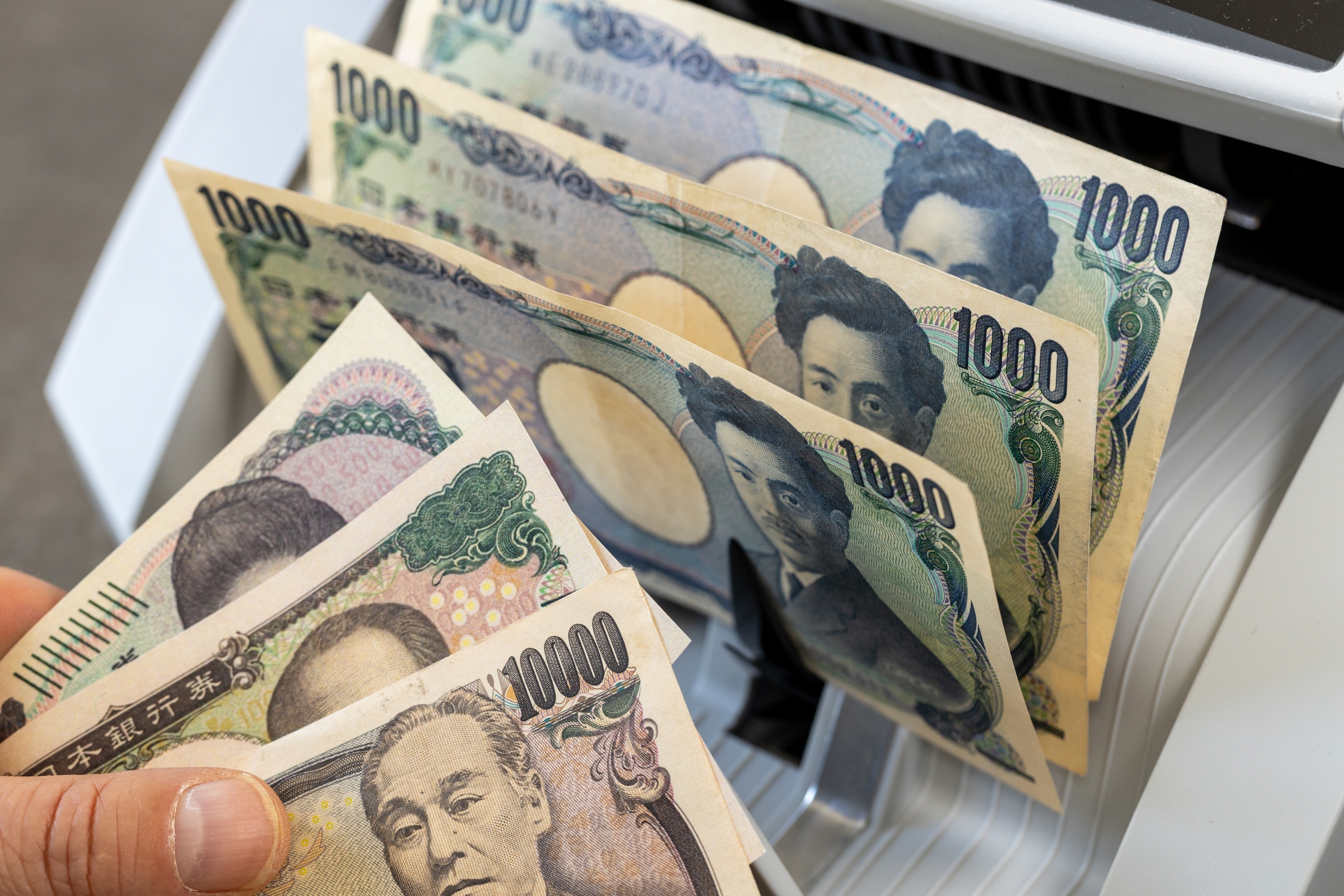
Japan’s top currency diplomat Atsushi Mimura renewed official warnings against speculative foreign-exchange volatility on Thursday, November 12, 2026, as the yen edged toward the closely watched 160-per-dollar threshold. Speaking to reporters in Tokyo after the dollar reached 159.94 yen, Mimura cautioned that recent currency swings have been excessively rapid and reminded markets of this summer’s direct yen-buying interventions.
Yield Differentials Overwhelm Domestic Inflation Pressures
The renewed downward pressure on the Japanese currency stems from a widening macro divergence between Washington and Tokyo. Earlier this week, stronger-than-expected U.S. October consumer inflation—with headline prices rising 0.4% month-on-month and core gaining 0.3%—bolstered market expectations for a hawkish Federal Reserve stance in December. With benchmark U.S. Treasury yields holding near 4.90% and the federal funds target range sitting 2.50 to 2.75 percentage points above the Bank of Japan’s 1.25% policy rate, yield-seeking capital flows have continued to favor the greenback.
This persistent rate gap has muted the currency support typically generated by domestic inflation data. Even after Thursday’s Bank of Japan report showed wholesale producer inflation accelerating to 7.1% year-on-year in October and yen-based import prices jumping 24.8%, traders continued pressing the pair toward 160. For Prime Minister Sanae Takaichi’s administration, sustained depreciation below 160 poses acute political and economic risks by amplifying imported energy and raw material costs for domestic households and midstream manufacturers.
Intervention Precedents and Transmission Channels for Israeli Desks
Mimura’s explicit reference to summer market operations serves as a pointed reminder of Tokyo’s willingness to deploy massive foreign-exchange reserves when moves become disorderly. Japanese authorities spent a record ¥27.13 trillion across 2026 defending the currency, including ¥7.98 trillion on July 30 alongside coordinated U.S. action after the pair crossed 160. Previous interventions triggered sudden intraday reversals of three to five yen, leaving leveraged dollar-yen long positions exposed to severe downside gaps.
For Israeli institutional pension managers and treasury desks on the Tel Aviv Stock Exchange (TASE), elevated intervention risk in Tokyo carries direct implications for cross-border liquidity and portfolio hedging. Unwinding of yen-funded carry trades historically triggers broad risk-off ripples across global technology equities and emerging-market currencies. While the New Israeli Shekel (NIS) has traded steadily near 3.17 per dollar (0.315 USD/ILS), local institutional allocators are maintaining disciplined foreign-exchange hedge ratios and overweight allocations in domestic sovereign bonds (Shahar) to buffer portfolios against sudden liquidity shocks if the Ministry of Finance orders direct dollar selling.
Outlook: Rate-Check Signals, 160.72 Resistance, and December Policy Meetings
Moving into European and North American trading sessions, foreign-exchange desks will watch closely for signs of central bank “rate checks”—a traditional precursor to physical market intervention—if USD/JPY breaches the 160.00 psychological mark or challenges April’s peak of 160.72. Key catalysts to monitor include escalation in official rhetoric toward pledges of “decisive action,” preliminary November Tokyo consumer price data, and upcoming commentary from Federal Reserve officials. If verbal warnings fail to cool speculative momentum above 160, unilateral dollar-selling intervention by Tokyo becomes increasingly probable ahead of next month’s dual central bank policy decisions.
Comparison, examination, and analysis between investment houses
Leave your details, and an expert from our team will get back to you as soon as possible
* This article, in whole or in part, does not contain any promise of investment returns, nor does it constitute professional advice to make investments in any particular field.
To read more about the full disclaimer, click here
- Ronny Mor
- •
- 7 Min Read
- •
- ago 5 hours
SKN | Dollar Strengthens as Markets Price In a December Fed Rate Hike
The U.S. dollar strengthened against major currencies on Wednesday as hotter-than-expected U.S. inflation and hawkish comments from Federal Reserve
- ago 5 hours
- •
- 7 Min Read

The U.S. dollar strengthened against major currencies on Wednesday as hotter-than-expected U.S. inflation and hawkish comments from Federal Reserve

- sagi habasov
- •
- 7 Min Read
- •
- ago 5 hours
SKN | Alphabet Eyes $3 Billion Hong Kong and Singapore Bond Sale to Fund AI Expansion
Alphabet is preparing to test Asian debt markets with potential bond offerings denominated in Hong Kong and Singapore dollars,
- ago 5 hours
- •
- 7 Min Read

Alphabet is preparing to test Asian debt markets with potential bond offerings denominated in Hong Kong and Singapore dollars,

- Lior mor
- •
- 9 Min Read
- •
- ago 1 day
SKN | AI Credit Risk Spreads to Chipmakers as CDS Costs Double and Financing Concerns Intensify
The rapid expansion of artificial intelligence infrastructure is creating a new dimension of financial risk: the growing cost of
- ago 1 day
- •
- 9 Min Read

The rapid expansion of artificial intelligence infrastructure is creating a new dimension of financial risk: the growing cost of
- Lior mor
- •
- 7 Min Read
- •
- ago 1 day
SKN | ECB Rate Path Depends on Whether Energy Inflation Spreads Across the Economy
The European Central Bank's future interest-rate decisions will depend increasingly on whether the recent surge in energy costs feeds
- ago 1 day
- •
- 7 Min Read

The European Central Bank's future interest-rate decisions will depend increasingly on whether the recent surge in energy costs feeds
