




- Lior mor
- •
- 7 Min Read
- •
- 7 minutes ago


Key Points
- ECB Chief Economist Philip Lane said future rate decisions will depend on how strongly higher fuel costs spread into wages and other prices.
- Falling energy prices could push headline inflation lower, but core inflation could rise if second-round effects persist.
- The ECB is closely monitoring whether recent energy-cost pressures become embedded across the wider economy before determining its next policy steps.

The European Central Bank’s future interest-rate decisions will depend increasingly on whether the recent surge in energy costs feeds into wages and broader consumer prices, ECB Chief Economist Philip Lane said Tuesday. His comments highlight a potentially difficult policy environment in which falling energy prices could reduce headline inflation while delayed second-round effects keep underlying price pressures elevated.
Energy Prices Could Mask Underlying Inflation
Lane said energy prices have already begun to reverse some of their recent increases, and a continued decline could push headline inflation lower. However, the ECB economist warned that this improvement may not fully capture the inflationary pressures already moving through the economy.
According to Lane, the more important question is how strongly the earlier increase in fuel costs spreads into wages and other prices. Businesses facing higher energy and operating expenses may attempt to pass those costs to consumers, while workers could seek higher wages to compensate for increased living costs. Such developments can create inflationary pressure that persists even after energy prices begin to moderate.
Second-Round Effects Complicate the ECB Outlook
The distinction between headline and core inflation is particularly important for monetary policy. Headline inflation can respond relatively quickly to changes in energy prices, while core inflation can provide a clearer indication of broader and potentially more persistent price pressures.
Lane warned that core inflation could move higher even as headline inflation falls if the second-round effects of the earlier energy shock continue to work through the economy. This creates a more complicated policy signal for the ECB, because an improvement in headline inflation alone may not be sufficient to justify a change in the central bank’s assessment of underlying price stability.
Wages and Prices Become Critical Indicators
The evolution of wages and other prices will therefore be closely watched by policymakers. If companies continue passing higher costs through to customers or wage growth remains elevated, the initial energy shock could have a longer-lasting impact on inflation.
For financial markets, this distinction could influence expectations for the ECB’s interest-rate path. A faster moderation in underlying inflation could give policymakers greater flexibility, while evidence that inflation is broadening could require a more cautious approach to monetary easing or other policy adjustments.
European Markets Face a Data-Dependent Policy Path
Lane’s comments reinforce the ECB’s emphasis on incoming economic data rather than a predetermined policy trajectory. The central bank must assess not only the direction of energy prices but also how previous cost increases are affecting wages, services and consumer prices across the euro-area economy.
The implications extend beyond the euro area. Changes in ECB rate expectations can influence the euro, European bond yields and global capital flows, including conditions relevant to international investors in Israel and other markets. Divergence between European and U.S. monetary policy could also affect currency valuations and cross-border financing conditions.
Going forward, investors will be watching energy prices, wage growth and core inflation for evidence of whether the recent cost shock is fading or becoming more deeply embedded. The key question for the ECB will be whether lower energy prices can bring inflation down broadly, or whether second-round effects keep underlying price pressures elevated enough to constrain the central bank’s policy options.
Comparison, examination, and analysis between investment houses
Leave your details, and an expert from our team will get back to you as soon as possible
* This article, in whole or in part, does not contain any promise of investment returns, nor does it constitute professional advice to make investments in any particular field.
To read more about the full disclaimer, click here
- orshu
- •
- 8 Min Read
- •
- ago 7 minutes
SKN | Hotter U.S. Inflation Sends Nasdaq Futures Lower as December Fed Rate Hike Bets Surge
U.S. equity futures came under renewed pressure after October inflation data exceeded expectations, challenging hopes that price pressures were
- ago 7 minutes
- •
- 8 Min Read

U.S. equity futures came under renewed pressure after October inflation data exceeded expectations, challenging hopes that price pressures were

- omer bar
- •
- 7 Min Read
- •
- ago 38 minutes
SKN | Hot October Inflation Report Rattles Markets as Fed Rate-Hike Expectations Strengthen
U.S. financial markets came under renewed pressure on November 10 after stronger-than-expected October inflation figures challenged expectations for monetary
- ago 38 minutes
- •
- 7 Min Read

U.S. financial markets came under renewed pressure on November 10 after stronger-than-expected October inflation figures challenged expectations for monetary

- sagi habasov
- •
- 6 Min Read
- •
- ago 1 hour
SKN | Fed Rate-Hike Expectations Jump as Persistent Inflation Opens Door to Larger December Move
Expectations for a larger Federal Reserve interest-rate increase in December rose sharply Tuesday after U.S. inflation data showed continued
- ago 1 hour
- •
- 6 Min Read
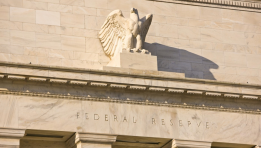
Expectations for a larger Federal Reserve interest-rate increase in December rose sharply Tuesday after U.S. inflation data showed continued

- Lior mor
- •
- 7 Min Read
- •
- ago 2 hours
SKN | Wall Street Opens Lower as Hot October Inflation Revives Federal Reserve Rate-Hike Concerns
Wall Street came under renewed pressure on November 10 after hotter-than-expected October inflation figures challenged expectations that U.S. monetary
- ago 2 hours
- •
- 7 Min Read

Wall Street came under renewed pressure on November 10 after hotter-than-expected October inflation figures challenged expectations that U.S. monetary
