




- Lior mor
- •
- 7 Min Read
- •
- 12 minutes ago


Key Points
- U.S. consumer prices increased 0.4% in October, exceeding economists' expectations of 0.3%, while core inflation also came in above forecasts.
- The Dow Jones, S&P 500, and Nasdaq Composite opened lower by 0.43%, 0.49%, and 0.81%, respectively, as investors reassessed the Federal Reserve's December policy outlook.
- Rising Treasury yields and renewed expectations of monetary tightening could create additional pressure on equity valuations, borrowing costs, and international capital flows.
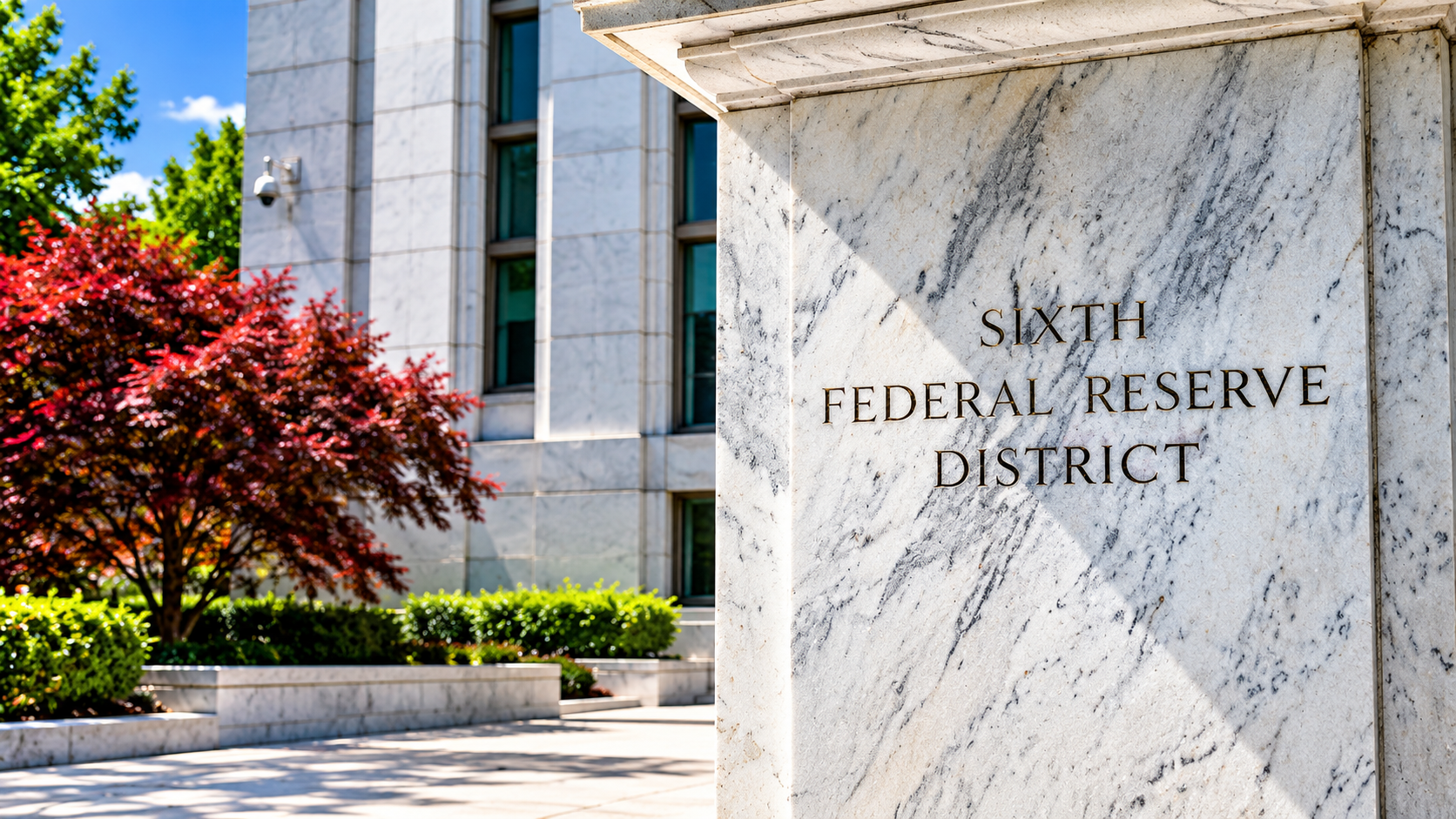
Wall Street came under renewed pressure on November 10 after hotter-than-expected October inflation figures challenged expectations that U.S. monetary policy could become less restrictive in the coming months. The inflation surprise strengthened expectations of another Federal Reserve interest-rate increase in December, prompting investors to reassess equity valuations and the outlook for financing conditions. The reaction highlights the continuing sensitivity of global financial markets to inflation developments, particularly as geopolitical pressures and energy-related costs complicate the broader economic outlook.
October Inflation Exceeds Market Expectations
The Consumer Price Index (CPI) increased 0.4% month over month in October, following a 0.6% advance in September, according to the U.S. Bureau of Labor Statistics. Economists surveyed by Reuters had expected a smaller increase of 0.3%. Core CPI, which excludes food and energy, also rose 0.3%, exceeding the 0.2% forecast and matching the increases recorded in August and September.
The composition of the report suggested that inflationary pressures remained relatively broad. Shelter costs increased 0.3%, accounting for more than 30% of the monthly headline CPI advance, while food prices climbed 0.5%. Energy prices rose 0.7%, following September’s substantial 5.2% increase. Although the headline monthly pace moderated, the persistence of core inflation raised questions about how quickly underlying price pressures could return toward the Federal Reserve’s 2% target.
The BLS did not publish an annual October inflation rate because the 2025 government shutdown had prevented collection of the corresponding October price data, leaving no comparable base for the calculation.
Federal Reserve Expectations Shift Toward Further Tightening
The inflation report strengthened expectations of another interest-rate increase at the Federal Reserve’s December meeting. Markets moved toward pricing in a near-certain probability of a rate hike, predominantly of 25 basis points. Federal Reserve Governor Christopher Waller had already argued that borrowing costs should increase in December, even if inflation moderated, while suggesting that a larger 50-basis-point adjustment could be considered if price pressures deteriorated further.
This creates a more complicated policy environment. While additional tightening could reinforce the Federal Reserve’s commitment to price stability, it could also increase financing costs for households and businesses. Higher borrowing expenses may weigh on consumption, corporate investment, and interest-sensitive sectors, particularly housing and smaller companies.
Wall Street and Bond Markets React to Inflation Risks
The initial market response reflected the implications of potentially higher interest rates. At the opening bell, the Dow Jones Industrial Average declined 0.43% to 52,163.21, the S&P 500 fell 0.49% to 7,513.09, and the Nasdaq Composite dropped 0.81% to 25,047.45.
Treasury yields also moved higher, reflecting expectations that monetary policy could remain restrictive for longer. Rising yields can place additional pressure on growth-oriented equities by increasing the discount rate applied to future corporate earnings. A stronger dollar could also complicate financial conditions for international borrowers and affect returns on unhedged overseas investments.
For Israeli institutional investors, changing U.S. yields and dollar-shekel movements remain particularly relevant when evaluating international portfolio exposure and currency-hedging strategies.
The near-term outlook will depend on whether subsequent inflation readings confirm persistent price pressures or indicate that October represented a temporary acceleration. Energy prices, wage developments, employment conditions, and corporate pricing power will remain important indicators. Geopolitical risks and fiscal pressures could further complicate the inflation trajectory. Although a December rate increase has become a prominent market expectation, the Federal Reserve’s final decision will depend on the evolving economic evidence. For equity investors, the balance between inflation control, economic resilience, and corporate earnings growth is likely to remain central to market direction.
Comparison, examination, and analysis between investment houses
Leave your details, and an expert from our team will get back to you as soon as possible
* This article, in whole or in part, does not contain any promise of investment returns, nor does it constitute professional advice to make investments in any particular field.
To read more about the full disclaimer, click here
- sagi habasov
- •
- 7 Min Read
- •
- ago 15 hours
SKN | BLS Omits Annual Inflation Rate in October CPI Report: Will a Data Blind Spot Trigger Fed Volatility?
The U.S. Bureau of Labor Statistics (BLS) announced that its October 2026 Consumer Price Index report will omit standard year-over-year
- ago 15 hours
- •
- 7 Min Read
The U.S. Bureau of Labor Statistics (BLS) announced that its October 2026 Consumer Price Index report will omit standard year-over-year
- sagi habasov
- •
- 7 Min Read
- •
- ago 19 hours
SKN | Fed’s Barkin Urges Caution on Policy as Inflation Remains the Central Risk
The Federal Reserve should proceed carefully as it evaluates its response to inflation, Richmond Fed President Tom Barkin said
- ago 19 hours
- •
- 7 Min Read
The Federal Reserve should proceed carefully as it evaluates its response to inflation, Richmond Fed President Tom Barkin said

- fidji
- •
- 6 Min Read
- •
- ago 20 hours
SKN | U.S. Employment Costs Rise 3.4% Annually as Wage Growth Remains Below Headline Inflation
Employment Costs Continue to Increase The U.S. Employment Cost Index recorded a 0.8% increase in the third quarter of 2026,
- ago 20 hours
- •
- 6 Min Read

Employment Costs Continue to Increase The U.S. Employment Cost Index recorded a 0.8% increase in the third quarter of 2026,

- Lior mor
- •
- 7 Min Read
- •
- ago 1 day
China’s Producer Inflation Accelerates to 5.7% as Consumer Price Growth Slows
China's producer inflation accelerated in October as higher global energy prices increased manufacturing and industrial production costs, creating a widening
- ago 1 day
- •
- 7 Min Read

China's producer inflation accelerated in October as higher global energy prices increased manufacturing and industrial production costs, creating a widening
