




- Arik Arkadi Sluzki
- •
- 7 Min Read
- •
- 44 seconds ago


Key Points
- U.S. high-yield credit spreads widened to 348 basis points during last Thursday's market sell-off, their highest level since May 2025, as investors reassessed exposure to artificial intelligence financing.
- Bonds issued by data-center developers faced additional pressure, with Galaxy Helios debt falling to 89.25 cents on the dollar and its yield rising to approximately 13%.
- The expected Democratic takeover of Congress in January 2027 could increase regulatory scrutiny of AI development, although projects already funded or under construction are expected to support near-term investment activity.
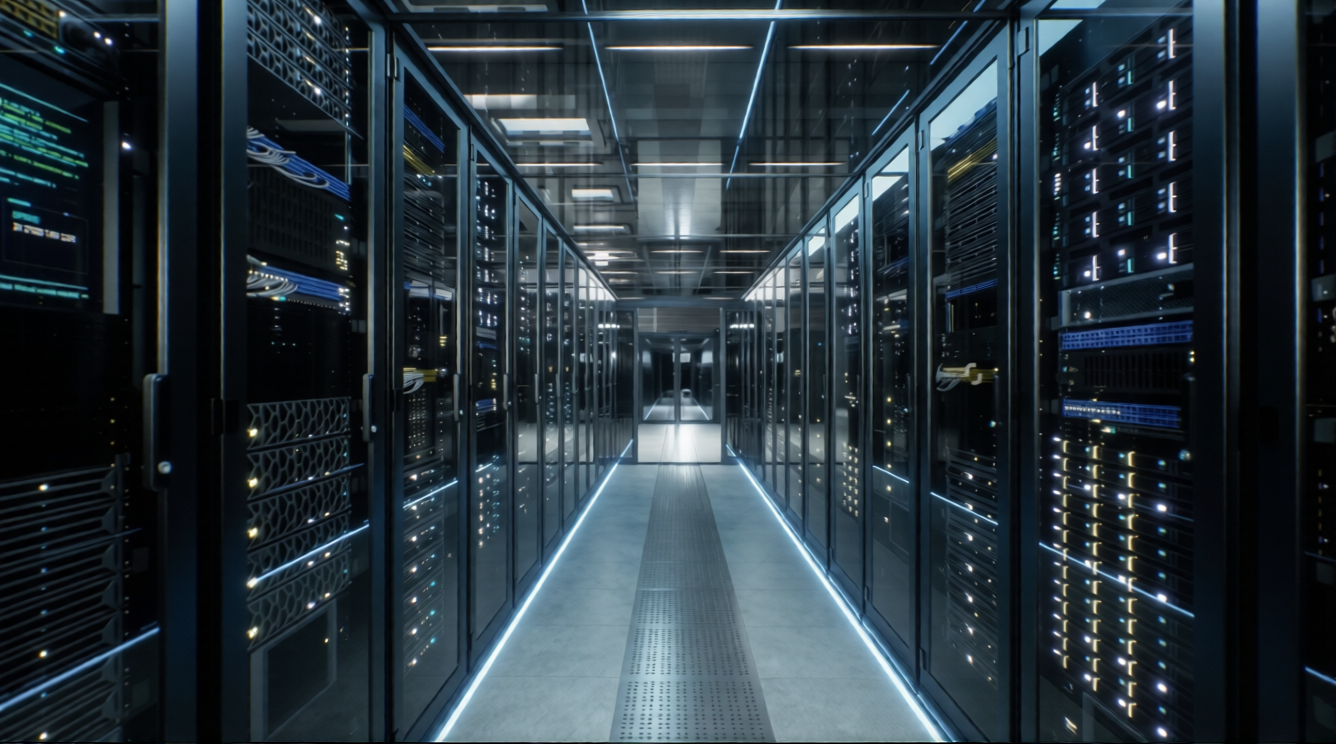
The financing model behind the artificial intelligence boom is facing a more demanding environment as bond investors reassess the risks associated with the rapid expansion of data centers and related infrastructure. Following the Democratic Party’s strong midterm election performance, expectations of tighter regulation are adding political uncertainty to an already expanding market for AI-related corporate debt. The development highlights a growing tension between the economic benefits of AI investment and the financial risks associated with funding large-scale infrastructure projects through increasingly substantial borrowing.
Credit Markets Begin Repricing AI-Related Exposure
U.S. high-yield credit spreads widened to 348 basis points during Thursday’s market sell-off, reaching their highest level since May 2025, according to ICE BofA corporate bond data cited by Reuters. Although spreads narrowed to 342 basis points on Friday, the movement reflected growing investor caution toward lower-rated corporate borrowers. Single-B credit spreads increased by 35 basis points to 367 basis points, their highest level since March, while investment-grade spreads reached 93 basis points.
The deterioration is particularly relevant for data-center developers and companies financing the infrastructure supporting AI expansion. Many of these borrowers operate within the BB and single-B segments of the high-yield market, where financing costs are more sensitive to changes in investor risk appetite. As regulatory uncertainty increases, investors may demand higher yields to compensate for the possibility of delayed projects, weaker cash flows, or changes in the economics of infrastructure development.
Data Center Bonds Face Higher Financing Costs
The pressure is already visible in individual debt instruments. Galaxy Helios Data Center bonds fell to approximately 89.25 cents on the dollar on November 5, pushing their yield to around 13%, compared with the original 9.875% yield when the B+-rated debt was issued in late July. The movement illustrates how quickly borrowing costs can change when investors reassess the risks surrounding a specific infrastructure project.
The implications extend beyond data-center operators. AI infrastructure depends on electricity providers, electrical contractors, semiconductor equipment, machinery manufacturers, and construction companies. A sustained slowdown in project development could therefore affect a broader industrial and financial ecosystem. JPMorgan economists have also warned that slower data-center construction could materially weaken overall U.S. business investment, given the importance of AI-related capital expenditure to economic growth.
Regulatory Uncertainty Could Reshape Long-Term Investment
Democrats are expected to pursue additional legislation addressing AI systems and data-center development when they assume control of Congress in January 2027. Potential regulatory changes could affect project approvals, operating requirements, infrastructure expansion, and the economics of future investments. However, the immediate impact may remain limited because many projects have already secured financing, entered construction, or received substantial capital commitments.
Some investors believe slower debt issuance could eventually provide relief to credit markets by reducing the volume of new AI-related bonds competing for capital. Over the next six to 12 months, a more measured financing environment could allow existing debt supply to be absorbed more comfortably. Nevertheless, uncertainty surrounding projects planned for 2028–2030 and beyond remains significant.
The outlook will depend on the balance between regulatory intervention, infrastructure demand, financing availability, and the commercial returns generated by AI investment. Higher borrowing costs and delayed construction could expose weaker developers to refinancing and liquidity pressures, while excessive regulation could affect productivity and broader business investment. For international investors, including Israeli institutional asset allocators, the distinction between financially resilient infrastructure operators and highly leveraged developers is likely to become increasingly important. AI investment is unlikely to disappear, but its financing structure, geographic distribution, and pace of expansion may evolve as political and credit-market conditions change.
Comparison, examination, and analysis between investment houses
Leave your details, and an expert from our team will get back to you as soon as possible
* This article, in whole or in part, does not contain any promise of investment returns, nor does it constitute professional advice to make investments in any particular field.
To read more about the full disclaimer, click here
- orshu
- •
- 7 Min Read
- •
- ago 2 hours
SKN | Dollar Stabilizes as Fed’s Waller Signals Further Rate Hikes, October Inflation Data Takes Center Stage
The U.S. dollar found support on Tuesday as increasingly hawkish Federal Reserve commentary reinforced expectations for additional monetary tightening
- ago 2 hours
- •
- 7 Min Read

The U.S. dollar found support on Tuesday as increasingly hawkish Federal Reserve commentary reinforced expectations for additional monetary tightening

- Lior mor
- •
- 6 Min Read
- •
- ago 7 hours
Japanese Investors Return to Foreign Bond Markets With $3.13 Billion in Net Purchases
Japanese investors became net buyers of foreign bonds in October for the first time in three months, reversing a period
- ago 7 hours
- •
- 6 Min Read

Japanese investors became net buyers of foreign bonds in October for the first time in three months, reversing a period

- Ronny Mor
- •
- 7 Min Read
- •
- ago 14 hours
SKN | Hawkish Voices at Bank of Japan Urge Faster Rate Hikes: Will a December Move to 1.5% Shake Global Carry Trades?
The Bank of Japan revealed that several policy board members advocated for an accelerated pace of interest rate increases during
- ago 14 hours
- •
- 7 Min Read

The Bank of Japan revealed that several policy board members advocated for an accelerated pace of interest rate increases during

- Arik Arkadi Sluzki
- •
- 7 Min Read
- •
- ago 16 hours
SKN | Banks Tighten Scrutiny of AI Debt as Market Selloff Raises Credit Risks
Banks and credit investors are reassessing their exposure to artificial intelligence-related debt as the recent technology selloff forces a
- ago 16 hours
- •
- 7 Min Read

Banks and credit investors are reassessing their exposure to artificial intelligence-related debt as the recent technology selloff forces a
