




- orshu
- •
- 7 Min Read
- •
- 4 minutes ago


Key Points
- The U.S. dollar stabilized on November 10 after Federal Reserve Governor Christopher Waller advocated another interest-rate increase in December, even if October inflation shows signs of moderation.
- Waller indicated that a 50-basis-point increase should be considered if monthly core CPI rises by 0.3% or more, intensifying expectations for further monetary tightening.
- Economists forecast October headline inflation of 3.9% and core inflation of 2.8% year over year, making the upcoming release a critical factor for currency markets and global interest-rate expectations.
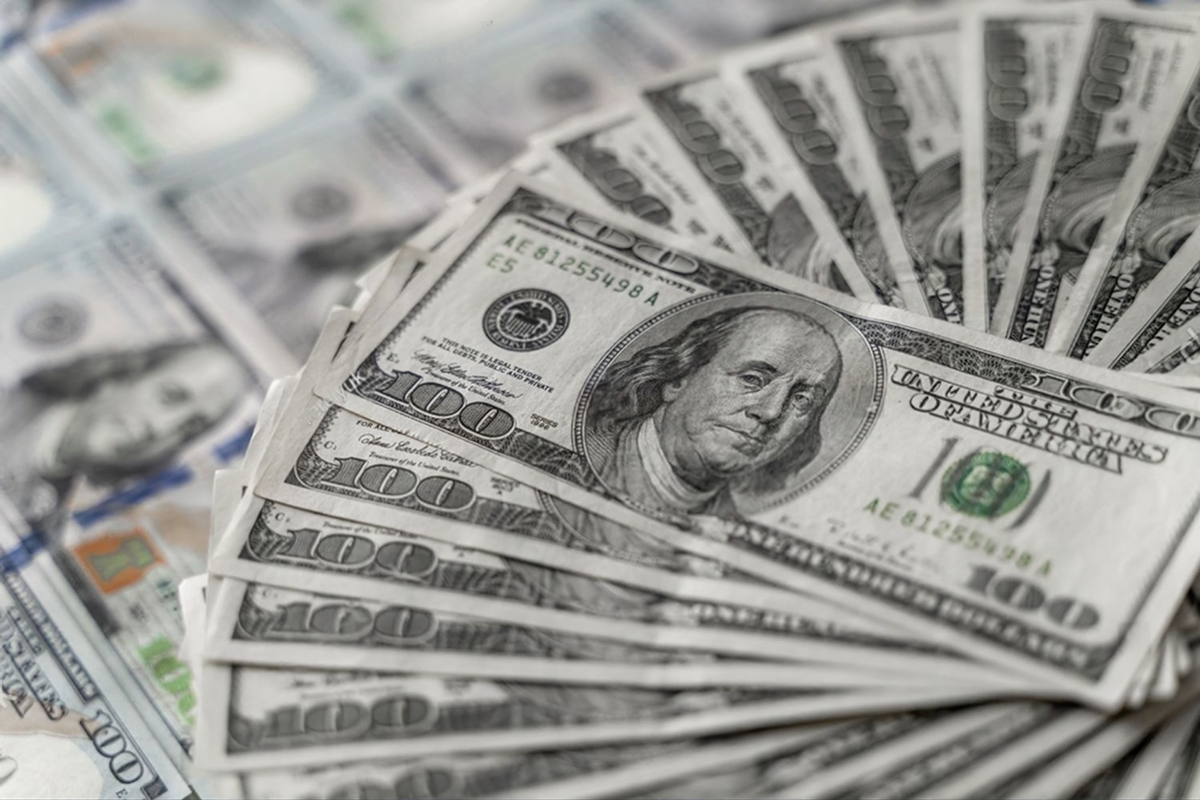
The U.S. dollar found support on Tuesday as increasingly hawkish Federal Reserve commentary reinforced expectations for additional monetary tightening in December. Governor Christopher Waller’s remarks came ahead of October’s Consumer Price Index (CPI) release, placing inflation data at the center of global currency-market positioning. The developments reflect a potentially important shift in monetary policy expectations, with implications for Treasury yields, international capital flows, emerging-market currencies, and the dollar’s position in global portfolios.
Waller Strengthens Expectations for December Rate Increases
Waller argued that the Federal Reserve should increase short-term borrowing costs by at least 25 basis points at its December 8–9 meeting, even if October inflation moderates from September’s levels. His position reflects concerns that price pressures remain too persistent and increasingly broad-based to justify delaying further tightening.
More significantly, Waller suggested that policymakers should consider a 50-basis-point increase if monthly core consumer inflation reaches 0.3% or higher. Such a move would represent a more aggressive response to inflation than the quarter-point adjustment currently anticipated by many market participants.
His comments also reflect concerns about the credibility of monetary policy. If the Federal Reserve signals further tightening but subsequently fails to deliver without sufficient improvement in inflation, financial conditions could ease prematurely, potentially complicating efforts to restore price stability.
October CPI Becomes the Critical Market Catalyst
Economists surveyed by Reuters expect headline U.S. inflation to reach approximately 3.9% year over year in October, while core inflation, which excludes food and energy, is forecast at 2.8%. On a monthly basis, economists expect core CPI to increase by approximately 0.2%.
The distinction between headline and core inflation will be particularly important. Higher energy prices can push headline inflation upward, but persistent increases in services, technology-related goods, and other underlying components would suggest that price pressures are becoming more entrenched.
Waller has also highlighted the possibility that energy costs could influence producer prices and eventually pass through into broader goods and services inflation. If oil prices remain elevated, these pressures could persist into 2027, complicating the Federal Reserve’s efforts to return inflation toward its 2% target.
Dollar Support and Global Currency Implications
The dollar’s stabilization follows several volatile trading sessions. A stronger-than-expected October employment report initially supported the U.S. currency, before falling oil prices and improving equity-market sentiment contributed to a reversal. Waller’s latest comments subsequently provided renewed support.
The euro traded around $1.1215, while the British pound weakened to approximately $1.3423. The dollar also advanced modestly against the Japanese yen, trading near 158.1. These movements illustrate how changing interest-rate expectations continue to influence relative currency valuations.
The near-term outlook will depend heavily on October CPI and subsequent producer-price and employment data. A stronger inflation reading could reinforce expectations for additional tightening, supporting the dollar while potentially increasing pressure on equities, bonds, and emerging-market currencies. Conversely, softer inflation could challenge current rate-hike expectations and renew downward pressure on the U.S. currency. For Israeli institutional investors, the interaction between Federal Reserve policy, Treasury yields, and dollar-shekel movements will remain particularly relevant. Although a stronger dollar could support foreign-currency returns for unhedged portfolios, increased borrowing costs and global risk aversion could introduce offsetting pressures.
Comparison, examination, and analysis between investment houses
Leave your details, and an expert from our team will get back to you as soon as possible
* This article, in whole or in part, does not contain any promise of investment returns, nor does it constitute professional advice to make investments in any particular field.
To read more about the full disclaimer, click here
- Lior mor
- •
- 6 Min Read
- •
- ago 5 hours
Japanese Investors Return to Foreign Bond Markets With $3.13 Billion in Net Purchases
Japanese investors became net buyers of foreign bonds in October for the first time in three months, reversing a period
- ago 5 hours
- •
- 6 Min Read

Japanese investors became net buyers of foreign bonds in October for the first time in three months, reversing a period

- Ronny Mor
- •
- 7 Min Read
- •
- ago 12 hours
SKN | Hawkish Voices at Bank of Japan Urge Faster Rate Hikes: Will a December Move to 1.5% Shake Global Carry Trades?
The Bank of Japan revealed that several policy board members advocated for an accelerated pace of interest rate increases during
- ago 12 hours
- •
- 7 Min Read

The Bank of Japan revealed that several policy board members advocated for an accelerated pace of interest rate increases during

- Arik Arkadi Sluzki
- •
- 7 Min Read
- •
- ago 14 hours
SKN | Banks Tighten Scrutiny of AI Debt as Market Selloff Raises Credit Risks
Banks and credit investors are reassessing their exposure to artificial intelligence-related debt as the recent technology selloff forces a
- ago 14 hours
- •
- 7 Min Read

Banks and credit investors are reassessing their exposure to artificial intelligence-related debt as the recent technology selloff forces a
- Ronny Mor
- •
- 6 Min Read
- •
- ago 14 hours
SKN | Dollar Slips as Iran Diplomacy Revives Risk Appetite Ahead of U.S. Inflation Data
The U.S. dollar weakened against major currencies on Monday as signs of progress in diplomatic efforts surrounding the Iran
- ago 14 hours
- •
- 6 Min Read

The U.S. dollar weakened against major currencies on Monday as signs of progress in diplomatic efforts surrounding the Iran
