




- Ronny Mor
- •
- 6 Min Read
- •
- 6 minutes ago


Key Points
- The U.S. dollar weakened against the euro and yen as concerns over a further escalation of the Iran conflict eased.
- Improved risk sentiment followed President Donald Trump's comments that fresh attacks on Iran were highly unlikely while diplomatic efforts continue.
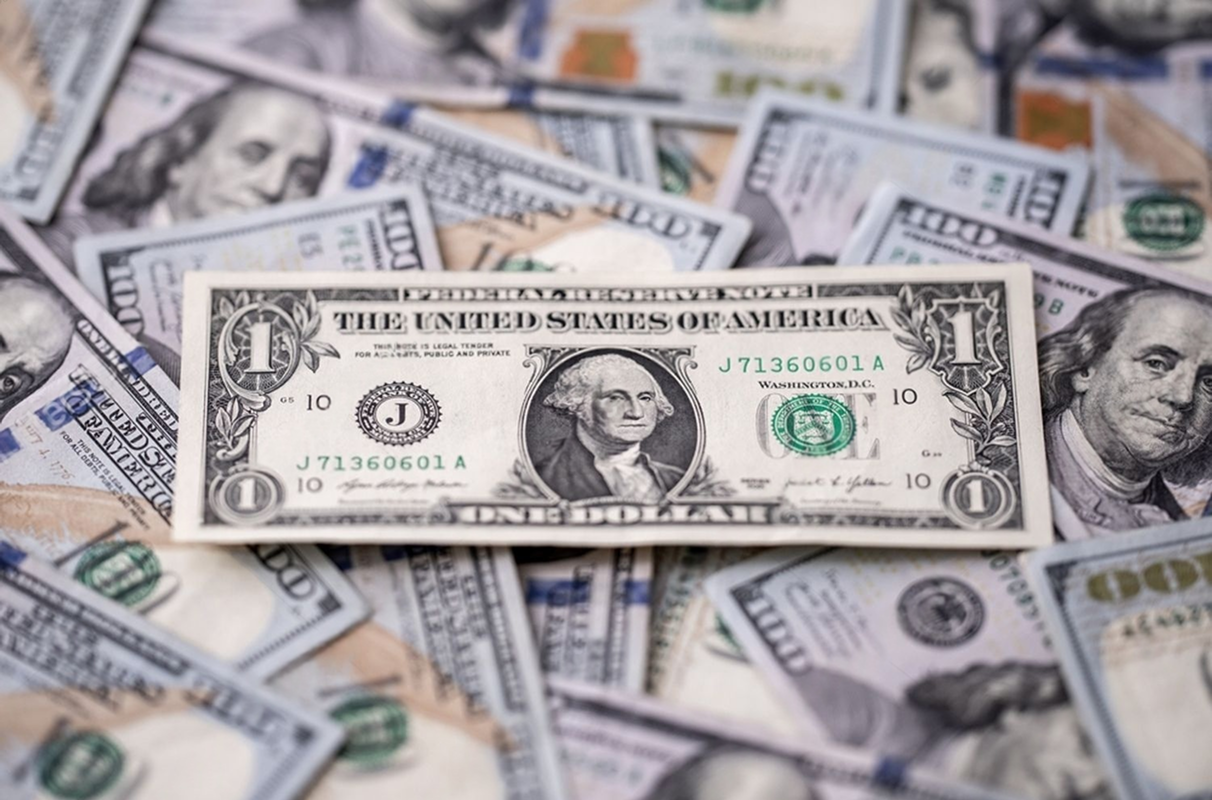
The U.S. dollar weakened against major currencies on Monday as signs of progress in diplomatic efforts surrounding the Iran conflict encouraged investors to move back toward risk-sensitive assets. The currency move reflects a broader shift in market positioning after last week’s selloff in artificial intelligence-linked stocks, with geopolitical developments and upcoming U.S. inflation data now competing for investors’ attention.
Iran Diplomacy Eases Demand for the Dollar
The dollar index slipped after rising sharply on Friday, while the euro and yen strengthened as concerns about an escalation in the conflict between the United States and Iran eased. The improvement in sentiment followed comments from U.S. President Donald Trump that he was highly unlikely to order fresh attacks on Iran as long as diplomatic discussions continued.
Trump was also due to meet Qatar’s Sheikh Mohammed bin Abdulrahman Al-Thani on Monday as efforts to find a path toward ending the conflict gathered pace. The diplomatic developments reduced some of the immediate demand for traditional defensive assets and encouraged investors to reconsider positions established during last week’s market volatility.
Risk Appetite Returns After Technology Selloff
The currency market’s reaction also reflects changing risk sentiment across global financial markets. Investors had moved toward defensive positions after a sharp decline in artificial intelligence-linked stocks, increasing demand for assets traditionally viewed as more resilient during periods of uncertainty.
As geopolitical risks appeared to moderate, some of that positioning began to reverse. The shift illustrates how currency markets remain highly sensitive to changes in geopolitical expectations, particularly when those developments affect energy markets, global growth expectations and broader risk appetite.
The New Zealand dollar was also a notable mover, gaining after weekend elections provided an additional domestic catalyst. Its performance highlighted the broader improvement in demand for currencies perceived as more closely linked to global economic growth and risk sentiment.
U.S. CPI Becomes the Next Major Market Test
Attention is now turning toward U.S. consumer price inflation data due Tuesday. The report could have a greater influence on the dollar if it materially changes expectations surrounding the Federal Reserve’s interest-rate path.
Inflation remains particularly important because stronger price pressures could reinforce expectations for a more cautious monetary-policy stance, potentially supporting the dollar through higher expected U.S. interest rates. Conversely, evidence that inflation is moderating could reinforce expectations for less restrictive policy and place additional pressure on the currency.
Geopolitics and Rates Drive the Currency Outlook
For international investors, the combination of geopolitical developments and U.S. monetary policy creates a potentially volatile backdrop for foreign-exchange markets. Changes in expectations surrounding the Iran conflict can influence energy prices and risk positioning, while U.S. inflation data can quickly alter expectations for Treasury yields and the dollar.
Going forward, markets will be watching whether diplomatic efforts produce a sustained reduction in geopolitical risk and whether Tuesday’s inflation report confirms or challenges current expectations for U.S. monetary policy. For investors in Israel and globally, the interaction between geopolitical risk, U.S. inflation and currency positioning will remain important in assessing broader financial-market conditions in the weeks ahead.
Comparison, examination, and analysis between investment houses
Leave your details, and an expert from our team will get back to you as soon as possible
* This article, in whole or in part, does not contain any promise of investment returns, nor does it constitute professional advice to make investments in any particular field.
To read more about the full disclaimer, click here
- Arik Arkadi Sluzki
- •
- 7 Min Read
- •
- ago 5 minutes
SKN | Banks Tighten Scrutiny of AI Debt as Market Selloff Raises Credit Risks
Banks and credit investors are reassessing their exposure to artificial intelligence-related debt as the recent technology selloff forces a
- ago 5 minutes
- •
- 7 Min Read

Banks and credit investors are reassessing their exposure to artificial intelligence-related debt as the recent technology selloff forces a

- orshu
- •
- 7 Min Read
- •
- ago 6 minutes
SKN | Technology Remains the Key Driver of U.S. Stocks as AI Selloff Tests Market Momentum
Technology stocks remain the most important force shaping the direction of the U.S. equity market even after a sharp
- ago 6 minutes
- •
- 7 Min Read
Technology stocks remain the most important force shaping the direction of the U.S. equity market even after a sharp

- sagi habasov
- •
- 7 Min Read
- •
- ago 6 minutes
SKN | Wall Street Says AI Selloff Is Overdone as Investors Reassess Regulation Risks
Wall Street brokerages are pushing back against concerns that last week's sharp selloff in artificial intelligence-related stocks signals a
- ago 6 minutes
- •
- 7 Min Read

Wall Street brokerages are pushing back against concerns that last week's sharp selloff in artificial intelligence-related stocks signals a
- sagi habasov
- •
- 7 Min Read
- •
- ago 2 hours
SKN | Fed’s Barkin Urges Caution on Policy as Inflation Remains the Central Risk
The Federal Reserve should proceed carefully as it evaluates its response to inflation, Richmond Fed President Tom Barkin said
- ago 2 hours
- •
- 7 Min Read
The Federal Reserve should proceed carefully as it evaluates its response to inflation, Richmond Fed President Tom Barkin said
