




- Ronny Mor
- •
- 7 Min Read
- •
- 19 minutes ago


Key Points
- All net increases in labor force participation and employment since July have come from foreign-born workers, while participation and employment among native-born workers have declined.
- The manufacturing sector added 101,000 jobs since December 2025, bringing the net increase in factory employment to 8,000 since Donald Trump returned to the White House.
- The median and average periods of unemployment reached 11.9 weeks and 27.1 weeks, respectively, their longest levels in approximately a decade outside the pandemic period.
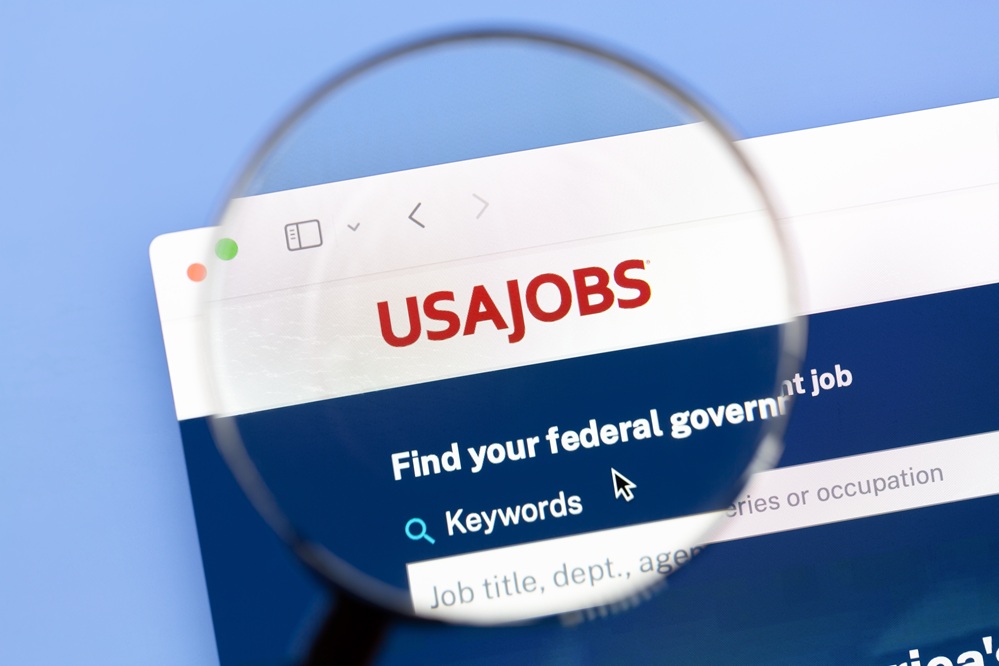
The US economy added 165,000 jobs in October, exceeding economists’ expectations of approximately 65,000. The unemployment rate also declined unexpectedly to 4.1%, indicating a broad-based improvement in employment conditions.
However, the headline figures conceal several important developments within the labor market. Changes in workforce participation, manufacturing employment, unemployment duration, and industry-specific hiring patterns provide a more detailed picture of current conditions.
Foreign-Born Workers Account for Labor Force Growth
Foreign-born workers have accounted for all net gains in labor force participation and employment since July, according to household survey data.
This follows a period of contraction in the US labor force during the first year of Donald Trump’s return to office. Economists had connected the earlier decline in foreign-born workers to the administration’s immigration crackdown.
The trend has recently reversed, with the workforce expanding sharply over the past three months. However, employment and labor force participation among native-born workers have declined since July.
The difference between these groups highlights how changes in workforce composition are influencing overall US employment figures.
Manufacturing Employment Shows a Recovery
Manufacturing has also experienced a reversal in employment trends.
During Trump’s first year back in office, the sector lost 93,000 jobs, despite the introduction of tariffs on imported goods intended to support domestic manufacturing employment.
The trend began improving this year. Since December 2025, manufacturing has added 101,000 positions, bringing the net increase in factory employment to 8,000 since Trump returned to the White House.
The latest figures indicate a recovery in manufacturing employment, although the overall increase remains relatively modest compared with the losses recorded during the preceding period.
Unemployment Duration Reaches a Decade-Long High
Stronger hiring has not yet translated into shorter periods of unemployment for people who lose their jobs.
Although layoffs remain subdued and employment growth has been sufficient to lower the overall unemployment rate, displaced workers are taking longer to find new positions.
The median duration of unemployment reached 11.9 weeks, while the average duration increased to 27.1 weeks. Excluding the temporary surge during the COVID-19 pandemic, both measures are at their longest levels in approximately a decade.
This divergence suggests that improving headline employment figures do not necessarily reflect easier conditions for individuals seeking new work.
AI Exposure Creates Uneven Industry Performance
Artificial intelligence adoption has not yet resulted in widespread job displacement across the broader US economy, according to the assessment presented in the report. However, employment trends differ across industries with varying levels of exposure to the technology.
Information and finance, identified as the sectors most exposed to AI, continued to struggle and have experienced job losses on a trend basis.
Professional and business services showed a different pattern. The sector added 70,000 jobs in October, with upward revisions to previous months. Gains extended across temporary help, management consulting, and technical consulting services.
The contrasting results indicate that AI exposure alone does not determine employment performance, with hiring trends varying across individual industries.
What Investors Should Watch Next
The October employment report presents a labor market with stronger headline job creation but several underlying areas of weakness. The contribution of foreign-born workers, the recovery in manufacturing, and the increasing duration of unemployment will remain important indicators of labor market conditions.
Investors should also monitor employment trends in information and financial services as AI adoption continues. The divergence between these sectors and professional and business services may provide further insight into how technological changes are affecting workforce demand.
Comparison, examination, and analysis between investment houses
Leave your details, and an expert from our team will get back to you as soon as possible
* This article, in whole or in part, does not contain any promise of investment returns, nor does it constitute professional advice to make investments in any particular field.
To read more about the full disclaimer, click here
- Lior mor
- •
- 7 Min Read
- •
- ago 2 days
SKN | U.S. Labor Market Regains Momentum as Job Growth Surges and Unemployment Falls
The U.S. labor market delivered a stronger-than-expected performance in October, signaling that employment conditions may be regaining momentum after
- ago 2 days
- •
- 7 Min Read
The U.S. labor market delivered a stronger-than-expected performance in October, signaling that employment conditions may be regaining momentum after

- Arik Arkadi Sluzki
- •
- 6 Min Read
- •
- ago 2 days
SKN | Strong U.S. Jobs Report Revives Expectations for December Fed Rate Hike
Stronger-than-expected U.S. employment data has materially shifted expectations for Federal Reserve policy, with markets increasing bets that policymakers will
- ago 2 days
- •
- 6 Min Read
Stronger-than-expected U.S. employment data has materially shifted expectations for Federal Reserve policy, with markets increasing bets that policymakers will

- Ronny Mor
- •
- 6 Min Read
- •
- ago 2 days
SKN | US Job Growth Surges in October as Unemployment Rate Falls to 4.1%
US Labor Market Shows Renewed Momentum US employment growth accelerated in October, suggesting the labor market may be strengthening after
- ago 2 days
- •
- 6 Min Read
US Labor Market Shows Renewed Momentum US employment growth accelerated in October, suggesting the labor market may be strengthening after
- Ronny Mor
- •
- 7 Min Read
- •
- ago 3 days
SKN | Fed Officials Back Gradual Rate Hikes as Inflation Remains Above Target
Two Federal Reserve officials made the case on Thursday for modest and steady interest-rate increases to bring inflation back
- ago 3 days
- •
- 7 Min Read
Two Federal Reserve officials made the case on Thursday for modest and steady interest-rate increases to bring inflation back
