




- Lior mor
- •
- 7 Min Read
- •
- 3 minutes ago


Key Points
- The Japanese Yen Currency Index (^XDN) declined 0.53%, or 0.34 points, to close at 63.10 on November 6, 2026, recording a five-session contraction of 0.57%.
- The benchmark opened at 63.16 and traded between 63.06 and 63.29, compared with Thursday's close of 63.44.
- The index remained within the lower-middle portion of its 52-week range of 60.98–65.75, while its reported zero-volume reading is not an indicator of actual foreign exchange market activity.
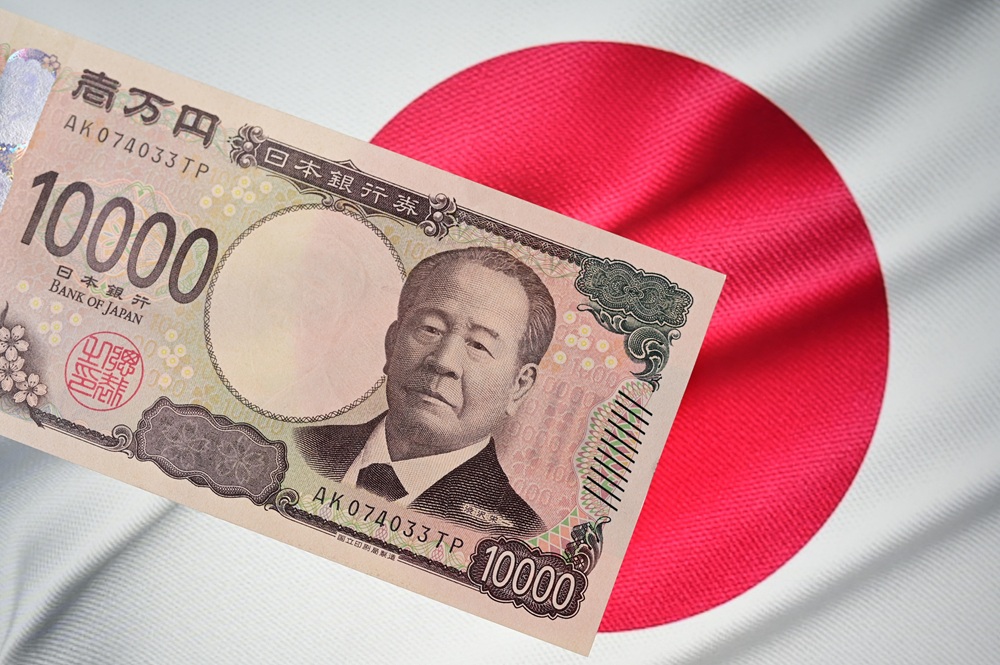
The Japanese Yen Currency Index ended the November 6 session lower, falling 0.53% to 63.10. The decline extended its five-session loss to 0.57%, reversing the gains recorded earlier in the week and leaving the benchmark below the 63.40 level.
The retreat comes as investors continue assessing the Bank of Japan’s monetary policy direction, movements in U.S. Treasury yields and changing global risk appetite. For institutional investors in Israel and international markets, the yen’s performance remains relevant to currency diversification, cross-border portfolio valuations and exposure to movements in JPY/ILS.
Friday Trading Reverses Earlier Gains
The index opened at 63.16 and moved within a relatively narrow range, reaching an intraday high of 63.29 and a low of 63.06 before closing at 63.10. The decline of 0.34 points from Thursday’s closing level of 63.44 extended the late-week retreat and left the benchmark close to its session low.
The closing level placed the index in the lower-middle portion of its reported 52-week range of 60.98–65.75. Although the weekly decline was relatively limited, the reversal of earlier gains highlights the difficulty of sustaining upward momentum amid changing currency-market expectations.
The reported zero trading volume and zero average volume should not be interpreted as an absence of market activity. The Japanese Yen Currency Index is a calculated benchmark rather than a directly traded security, making conventional share-volume statistics inapplicable.
Bank of Japan Policy and Yield Differentials Shape Yen Sentiment
The Bank of Japan’s approach to monetary policy normalization remains a central influence on the yen. Expectations surrounding domestic interest rates, inflation and government bond yields can affect the currency’s relative appeal against higher-yielding alternatives.
U.S. Treasury yields are another important consideration. When American yields remain elevated relative to Japanese Government Bond yields, the resulting interest-rate differential can weigh on the yen by increasing the relative attractiveness of dollar-denominated assets. Conversely, expectations of further BoJ tightening or narrowing yield differentials may provide support.
Changes in global risk appetite can also affect yen positioning. The currency’s traditional safe-haven characteristics may attract demand during periods of market stress, while carry-trade activity can amplify movements when investors adjust positions in response to changing interest-rate expectations.
Cross-Border Exposure and Currency Risks for Investors
Movements in USD/JPY, EUR/JPY and JPY/ILS remain relevant for international investors assessing the broader implications of yen weakness or recovery. For Israeli institutional portfolios, fluctuations in JPY/ILS can affect the shekel-denominated value of Japanese assets, while currency-hedging costs may influence overall portfolio returns.
Domestic inflation, energy import costs and the trajectory of Japanese bond yields will remain important variables for assessing the yen’s medium-term outlook. Changes in international trade policy and geopolitical risk premiums may introduce additional volatility across foreign exchange markets.
The Japanese Yen Currency Index’s near-term direction will depend on whether the benchmark can stabilize above the 63.06 intraday low and regain momentum toward the 63.80 area. A sustained move higher toward 64.50 would likely require stronger expectations for BoJ policy normalization, narrowing yield differentials against U.S. Treasuries or renewed safe-haven demand. Conversely, persistent U.S. yield strength and limited progress toward Japanese monetary tightening could maintain pressure on the currency, bringing the 60.98 52-week low into focus as a longer-term reference point. The balance between domestic monetary policy and global risk sentiment will remain central to the yen’s performance.
Comparison, examination, and analysis between investment houses
Leave your details, and an expert from our team will get back to you as soon as possible
* This article, in whole or in part, does not contain any promise of investment returns, nor does it constitute professional advice to make investments in any particular field.
To read more about the full disclaimer, click here
- Arik Arkadi Sluzki
- •
- 7 Min Read
- •
- ago 13 minutes
SKN | Australian Dollar Currency Index Falls 0.95% to 68.67, Extending Weekly Loss to 2.33%
The Australian Dollar Currency Index ended the November 6 trading session lower, falling 0.95% to 68.67. The decline extended
- ago 13 minutes
- •
- 7 Min Read

The Australian Dollar Currency Index ended the November 6 trading session lower, falling 0.95% to 68.67. The decline extended

- sagi habasov
- •
- 7 Min Read
- •
- ago 49 minutes
SKN | SSE Composite Index Falls 1.10% to 3,649.18, but Retains 1.39% Weekly Gain
The SSE Composite Index ended Friday's session lower, falling 1.10% to 3,649.18. Despite the daily retreat, the Shanghai benchmark
- ago 49 minutes
- •
- 7 Min Read

The SSE Composite Index ended Friday's session lower, falling 1.10% to 3,649.18. Despite the daily retreat, the Shanghai benchmark

- Lior mor
- •
- 7 Min Read
- •
- ago 12 hours
SKN | TSMC Rejects Reports of 3D DRAM Plans, Reaffirming Its Focus on Logic Chip Manufacturing
The rapid expansion of artificial intelligence infrastructure is increasing demand for advanced processors, high-bandwidth memory and more sophisticated semiconductor
- ago 12 hours
- •
- 7 Min Read

The rapid expansion of artificial intelligence infrastructure is increasing demand for advanced processors, high-bandwidth memory and more sophisticated semiconductor

- orshu
- •
- 7 Min Read
- •
- ago 12 hours
SKN | Hang Seng Index Falls 1.27% to 24,481.86, but Retains 5.10% Weekly Gain
The Hang Seng Index ended Friday's session lower, falling 1.27% to 24,481.86. However, the decline did little to erase
- ago 12 hours
- •
- 7 Min Read

The Hang Seng Index ended Friday's session lower, falling 1.27% to 24,481.86. However, the decline did little to erase
