




- sagi habasov
- •
- 7 Min Read
- •
- 2 minutes ago


Key Points
- The SSE Composite Index (000001.SS) declined 1.10%, or 40.73 points, to close at 3,649.18 on November 6, 2026, while maintaining a 1.39% gain over the five-session period.
- The benchmark opened at 3,612.15 and traded between 3,610.20 and 3,660.49, compared with the previous close of 3,689.91.
- The index remained within its 52-week range of 3,574.27–4,258.86, while reported trading volume reached 459,615,844 shares.

The SSE Composite Index ended Friday’s session lower, falling 1.10% to 3,649.18. Despite the daily retreat, the Shanghai benchmark retained a positive 1.39% advance over the five-session period, demonstrating relative resilience compared with the sharper declines recorded across several major international equity markets.
The weekly performance comes as investors continue assessing China’s domestic policy outlook, liquidity conditions and corporate earnings environment. For institutional investors in Israel and globally, the combination of a positive weekly return and a weaker final session highlights the importance of distinguishing short-term market consolidation from a broader change in sentiment toward mainland Chinese equities.
Friday Pullback and Position Within the Annual Trading Range
The index opened at 3,612.15 and moved between an intraday low of 3,610.20 and a high of 3,660.49 before closing at 3,649.18. The decline of 40.73 points from Thursday’s close of 3,689.91 followed a period of stronger trading earlier in the week, with the benchmark reportedly approaching the 3,700 level.
The closing level placed the SSE Composite in the lower portion of its reported 52-week range of 3,574.27–4,258.86. Although Friday’s decline reduced the index’s recent gains, it remained above its annual low. The intraday low of 3,610.20 provides a near-term reference point, while the 52-week low offers a broader measure of the benchmark’s longer-term trading range.
Reported trading volume stood at 459,615,844 shares. However, the stated three-month average of 491,038 shares appears inconsistent in scale with the reported daily volume and should be verified before being used for comparative analysis.
Mainland Sector Divergence and Expectations for Policy Support
Performance across mainland Chinese equities remains sensitive to differences between traditional state-owned enterprises and growth-oriented technology companies. Banking, infrastructure and energy stocks may respond to domestic financing conditions and policy priorities, while semiconductor and computing-hardware companies remain exposed to global technology valuations and demand expectations.
Investors are also monitoring potential fiscal support measures, local-government debt arrangements and efforts to stabilize the property sector. These policy considerations may influence expectations for domestic consumption, corporate investment and earnings growth. However, confirming that specific stimulus expectations or sector movements drove the index’s weekly advance would require constituent-level performance data and supporting market reports.
PBOC Policy, Bond Yields and Currency Considerations
The People’s Bank of China’s monetary policy remains a central variable for mainland equity markets. Interest-rate guidance, reserve requirement adjustments and liquidity operations can influence financing conditions and investor appetite for risk assets. Chinese government bond yields and developments in the property market also remain important indicators of the domestic economic environment.
Currency movements add another dimension for international investors. Changes in USD/CNY and other yuan exchange rates can affect the translation of Chinese equity returns into foreign currencies, including the shekel. For Israeli institutional portfolios, currency-hedging costs and geopolitical developments therefore remain relevant considerations alongside domestic equity performance.
The SSE Composite’s near-term direction will depend on whether its recent weekly gains can be sustained amid changing global risk appetite and developments in China’s domestic economy. The 3,610.20 intraday low represents an immediate technical reference, while the 3,574.27 52-week low marks the lower boundary of the reported annual range. On the upside, a sustained move back toward 3,700 would indicate renewed short-term strength. Further progress will likely depend on the implementation of domestic policy measures, corporate earnings performance and the durability of consumer demand. International trade tensions, currency movements and renewed weakness in global technology stocks remain potential sources of volatility.
Comparison, examination, and analysis between investment houses
Leave your details, and an expert from our team will get back to you as soon as possible
* This article, in whole or in part, does not contain any promise of investment returns, nor does it constitute professional advice to make investments in any particular field.
To read more about the full disclaimer, click here
- Lior mor
- •
- 7 Min Read
- •
- ago 11 hours
SKN | TSMC Rejects Reports of 3D DRAM Plans, Reaffirming Its Focus on Logic Chip Manufacturing
The rapid expansion of artificial intelligence infrastructure is increasing demand for advanced processors, high-bandwidth memory and more sophisticated semiconductor
- ago 11 hours
- •
- 7 Min Read
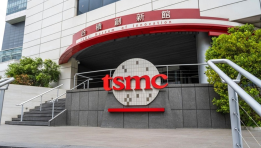
The rapid expansion of artificial intelligence infrastructure is increasing demand for advanced processors, high-bandwidth memory and more sophisticated semiconductor

- orshu
- •
- 7 Min Read
- •
- ago 11 hours
SKN | Hang Seng Index Falls 1.27% to 24,481.86, but Retains 5.10% Weekly Gain
The Hang Seng Index ended Friday's session lower, falling 1.27% to 24,481.86. However, the decline did little to erase
- ago 11 hours
- •
- 7 Min Read

The Hang Seng Index ended Friday's session lower, falling 1.27% to 24,481.86. However, the decline did little to erase

- Ronny Mor
- •
- 7 Min Read
- •
- ago 11 hours
SKN | Nikkei 225 Plunges 5.96% to 57,434.77, Extending Weekly Loss to 9.25% Amid Technology Selloff
The Nikkei 225 ended the week on November 6, 2026, under significant pressure, falling 5.96% to 57,434.77. The decline
- ago 11 hours
- •
- 7 Min Read

The Nikkei 225 ended the week on November 6, 2026, under significant pressure, falling 5.96% to 57,434.77. The decline

- omer bar
- •
- 7 Min Read
- •
- ago 12 hours
SKN | Euro Currency Index Falls 0.59% to 111.53, Weekly Loss Reaches 0.12% as Support Nears
The Euro Currency Index ended the week lower, declining 0.59% to 111.53 on Friday, November 6. The retreat reversed
- ago 12 hours
- •
- 7 Min Read

The Euro Currency Index ended the week lower, declining 0.59% to 111.53 on Friday, November 6. The retreat reversed
