




- sagi habasov
- •
- 6 Min Read
- •
- 15 hours ago


Key Points
- Brent crude climbed above $106 a barrel on October 14 as attacks on shipping near the Strait of Hormuz heightened concerns over supply disruptions.
- Oil shipments through the strait have fallen sharply, while rising freight costs and shrinking global inventories leave the market with less room to absorb further disruptions.
- OPEC’s stronger demand outlook for 2027 adds to the focus on supply availability, inventory levels and the duration of the regional conflict.
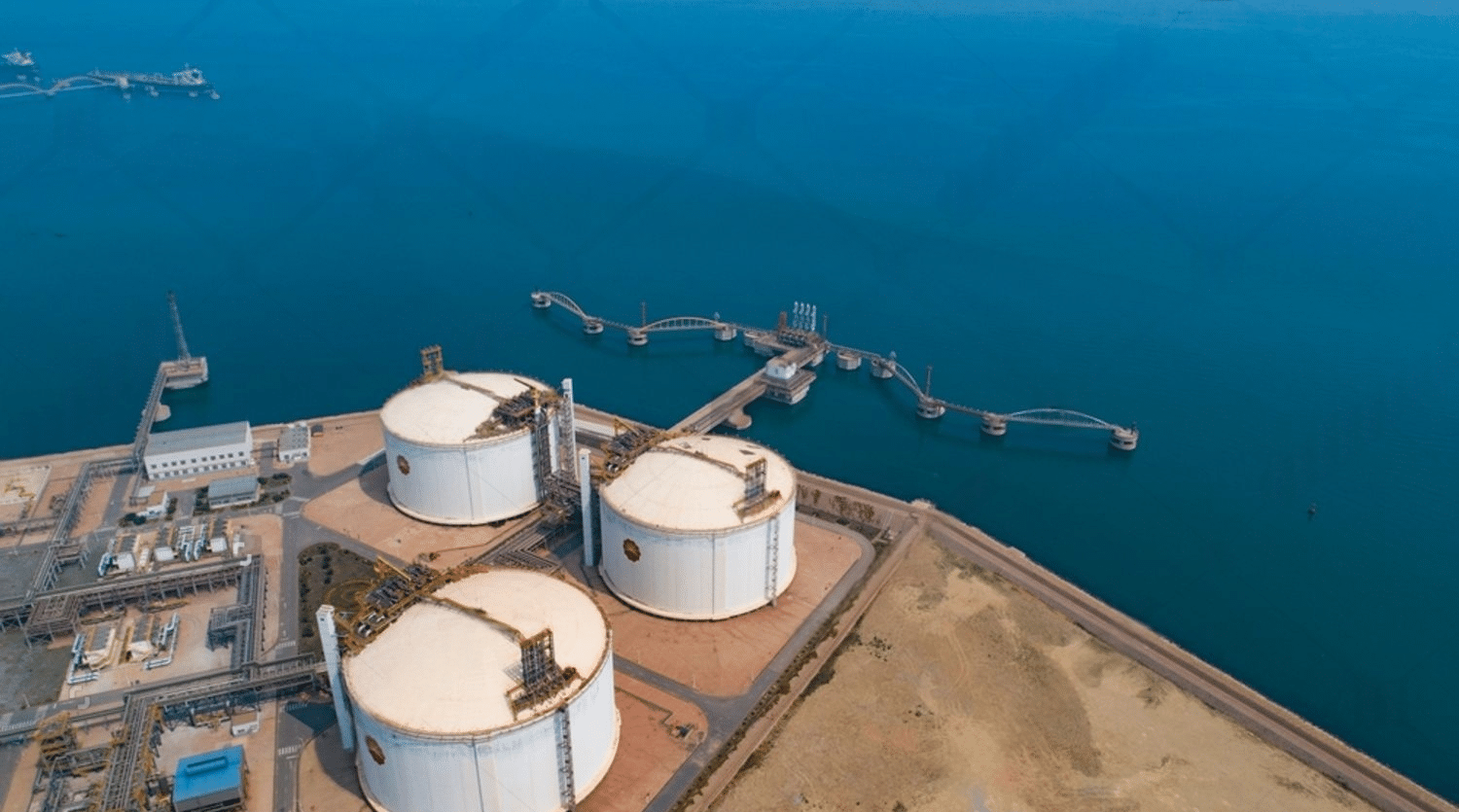
Global oil markets are facing renewed supply pressure as attacks on commercial vessels in and around the Strait of Hormuz disrupt shipping and inventories continue to decline. Brent crude settled at $106.06 a barrel on October 14, while U.S. West Texas Intermediate (WTI) closed at $95.09, reflecting the market’s sensitivity to the risk that geopolitical tensions could constrain physical oil availability even as prices remain volatile.
Tanker Attacks Threaten a Critical Energy Route
The Strait of Hormuz remains one of the world’s most important energy chokepoints, linking major Gulf producers with international markets. The recent escalation in attacks on vessels has increased uncertainty for shipowners, insurers and energy traders. Shipping data cited in recent market reports showed that oil exports through the strait fell to approximately 2.9 million barrels per day on October 11, compared with a September peak of around 15.5 million barrels per day. Daily flows can fluctuate, and some vessel movements may be recorded with delays, but the decline underscores the scale of the disruption.
The consequences extend beyond the volume of crude reaching buyers. Longer routes, security precautions and ship-to-ship transfers reduce the effective availability of tankers and increase transportation costs. Supertanker earnings reportedly reached a record $805,000 per day on October 9, illustrating how logistical constraints can raise the delivered cost of oil even when production continues elsewhere.
Falling Inventories Leave Less Room for Disruption
The supply shock is unfolding against a backdrop of declining global oil inventories. The U.S. Energy Information Administration’s October outlook estimated that global stocks fell by an average of 1.9 million barrels per day in the third quarter of 2026. It projected a further average draw of 700,000 barrels per day in the fourth quarter, assuming supply constraints persist.
U.S. crude inventories also came under attention after preliminary industry figures indicated a decline of 11.1 million barrels. Official government data was still pending at the time of the October 15 market session, making confirmation important before drawing firm conclusions about the scale of the weekly change.
Lower inventories reduce the buffer available to offset unexpected supply losses. If disruptions continue, buyers may compete more aggressively for available cargoes, supporting crude prices and increasing costs for refiners and fuel consumers. However, higher prices can also encourage alternative export routes and production responses that gradually ease the pressure.
Demand Outlook and the Risks Ahead
OPEC’s more optimistic outlook for oil demand in 2027 adds another variable to the market balance. If consumption strengthens while exports from the Gulf remain constrained, the pressure on inventories could intensify. Conversely, weaker economic activity, higher prices that curb consumption, or a sustained recovery in shipping could moderate the rally.
For investors and energy businesses, the key indicators are daily tanker traffic through Hormuz, export volumes, freight and insurance costs, confirmed inventory data and any change in regional security conditions. Brent’s retreat to $104.67 on October 15, after the previous session’s gains, illustrates that prices can move in both directions as traders reassess the balance between immediate supply risks and potential workarounds. The outlook will depend on whether alternative routes can restore meaningful volumes or further attacks deepen the disruption.
Comparison, examination, and analysis between investment houses
Leave your details, and an expert from our team will get back to you as soon as possible
* This article, in whole or in part, does not contain any promise of investment returns, nor does it constitute professional advice to make investments in any particular field.
To read more about the full disclaimer, click here
- orshu
- •
- 7 Min Read
- •
- ago 1 day
SKN | US Markets Diverge as Volatility Rises and Small-Cap Stocks Face Pressure
Americas markets presented a mixed picture on October 14, 2026, as gains in the Dow Jones Industrial Average contrasted
- ago 1 day
- •
- 7 Min Read

Americas markets presented a mixed picture on October 14, 2026, as gains in the Dow Jones Industrial Average contrasted

- sagi habasov
- •
- 7 Min Read
- •
- ago 2 days
SKN | Middle East LNG Disruptions Tighten Global Gas Supply and Reshape Markets
The disruption of liquefied natural gas (LNG) exports from the Middle East is reshaping global gas markets, turning a period
- ago 2 days
- •
- 7 Min Read
The disruption of liquefied natural gas (LNG) exports from the Middle East is reshaping global gas markets, turning a period

- omer bar
- •
- 7 Min Read
- •
- ago 2 days
SKN | Guyana Oil Exports Set to Exceed 1 Million Barrels a Day, Boosting Global Supply
Guyana is approaching a milestone that could reshape its role in the global oil industry, with crude exports expected to
- ago 2 days
- •
- 7 Min Read

Guyana is approaching a milestone that could reshape its role in the global oil industry, with crude exports expected to

- Lior mor
- •
- 6 Min Read
- •
- ago 2 days
SKN | Saudi Arabia Drives OPEC+ Production Higher Despite Iran War Disruptions
OPEC+ sharply increased oil production in September despite continued disruption to shipments through the Strait of Hormuz caused by
- ago 2 days
- •
- 6 Min Read

OPEC+ sharply increased oil production in September despite continued disruption to shipments through the Strait of Hormuz caused by
